Telangana RWAs Plan 22-A Clinics as Blocked Plots Top 30 Lakh
Telangana’s residential welfare associations are now preparing for a job that earlier sat only inside advocate offices, sub-registrar offices, and family discussions: helping residents understand why a property has entered the 22-A prohibited list, and what can be done next.
The trigger is not small. Verified.RealEstate’s database context for prohibited properties shows 3,076,153 entries in bb_prohibited_properties. That is more than 30 lakh entries touching land parcels, plots, apartments, old layouts, inherited properties, and in many cases, families who discovered the issue only when they tried to sell, mortgage, gift, or partition the asset.
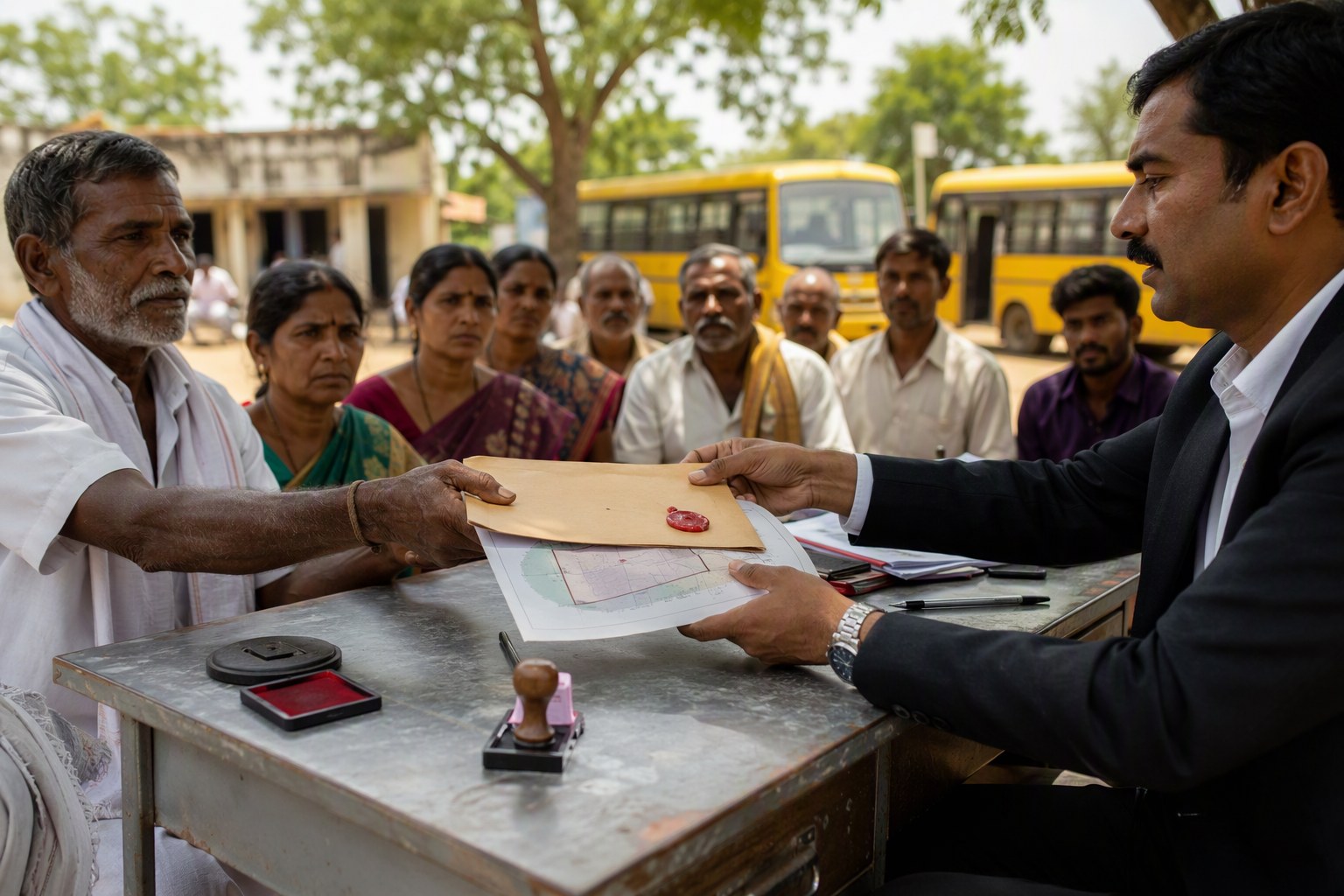
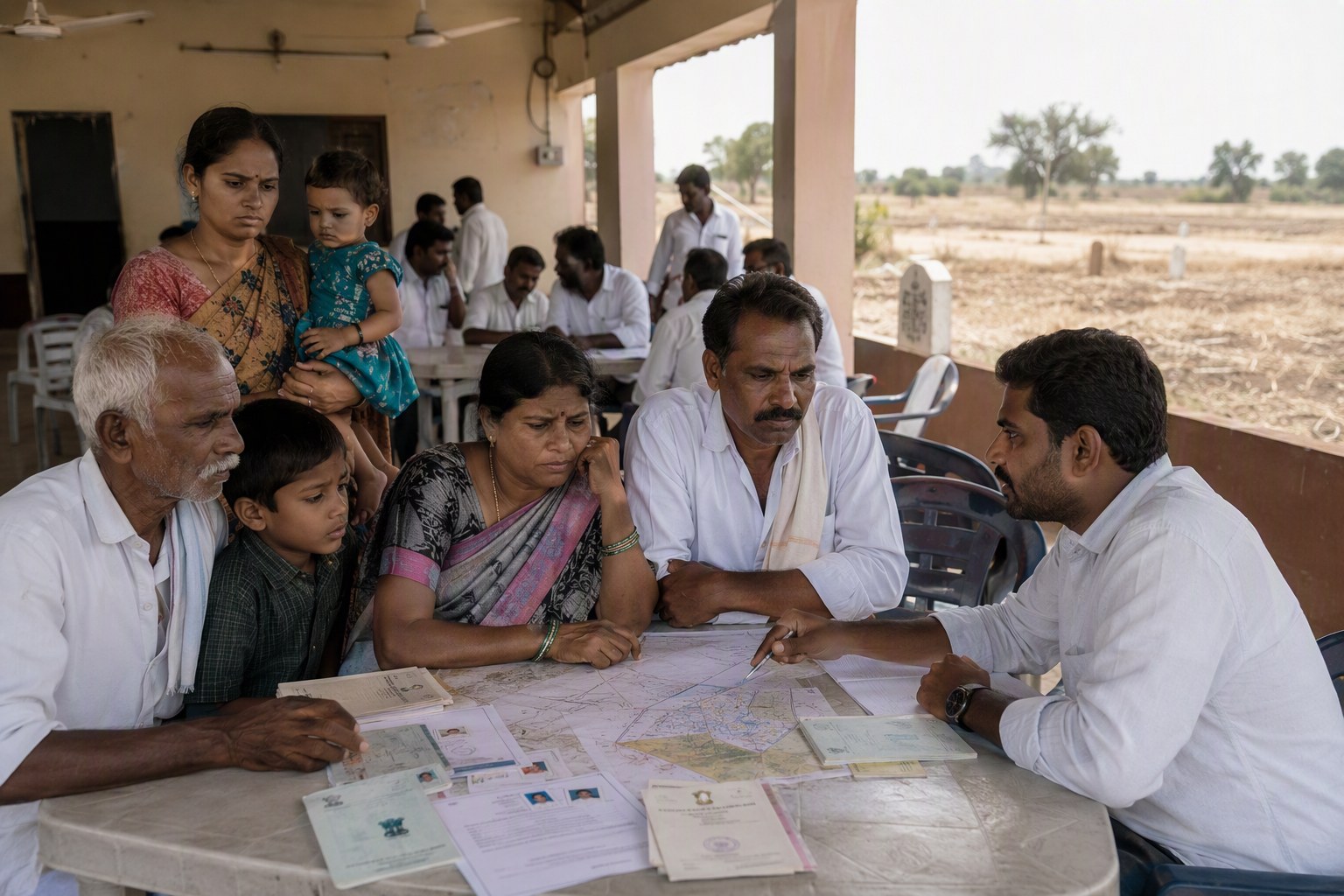
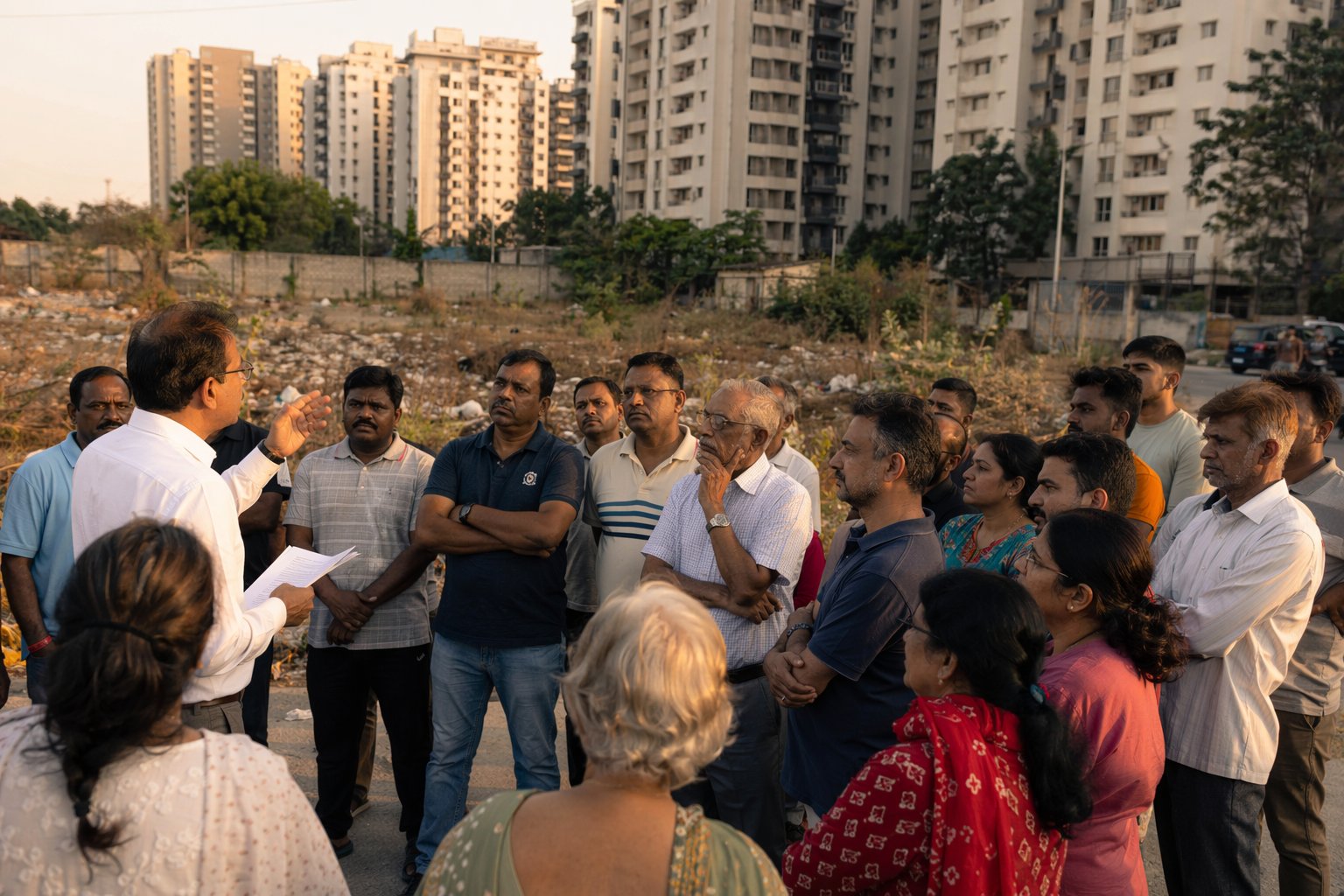
The proposed neighbourhood-level 22-A clinics are expected to work as support desks run through urban RWAs, apartment federations, colony committees, and local volunteers with legal and documentation awareness. The aim is simple: do the first round of sorting before a family spends money, loses time, or gets pushed into panic.
In Hyderabad, a property problem rarely stays as a paper problem. It becomes a family problem, a bank problem, and sometimes a marriage or inheritance problem. RWAs stepping in at the first stage is a practical move.
What is changing on the ground
Until recently, most owners treated prohibited-list checking as a final step. They would find a buyer, agree on a price, collect token advance, and then ask someone to check registration status. That approach is now proving costly. A 22-A entry can block registration or create enough doubt for a buyer, lender, or family member to step back.
RWAs are seeing this closely. In many urban pockets of Hyderabad, Rangareddy, Medchal-Malkajgiri, Sangareddy, and other fast-growing areas, residents are not only buying flats. They are also holding old plots in HMDA layouts, gram panchayat layouts, inherited agricultural land, and converted land. The paper trail is often mixed. One document says one thing, revenue records say another, and old survey numbers may not match present municipal boundaries.
That is where a local clinic can help. Not by giving final legal clearance, but by telling a resident what to check first, which office may be relevant, and whether the issue looks like a simple data mismatch or a serious title risk.
Why 22-A confusion hurts ordinary families
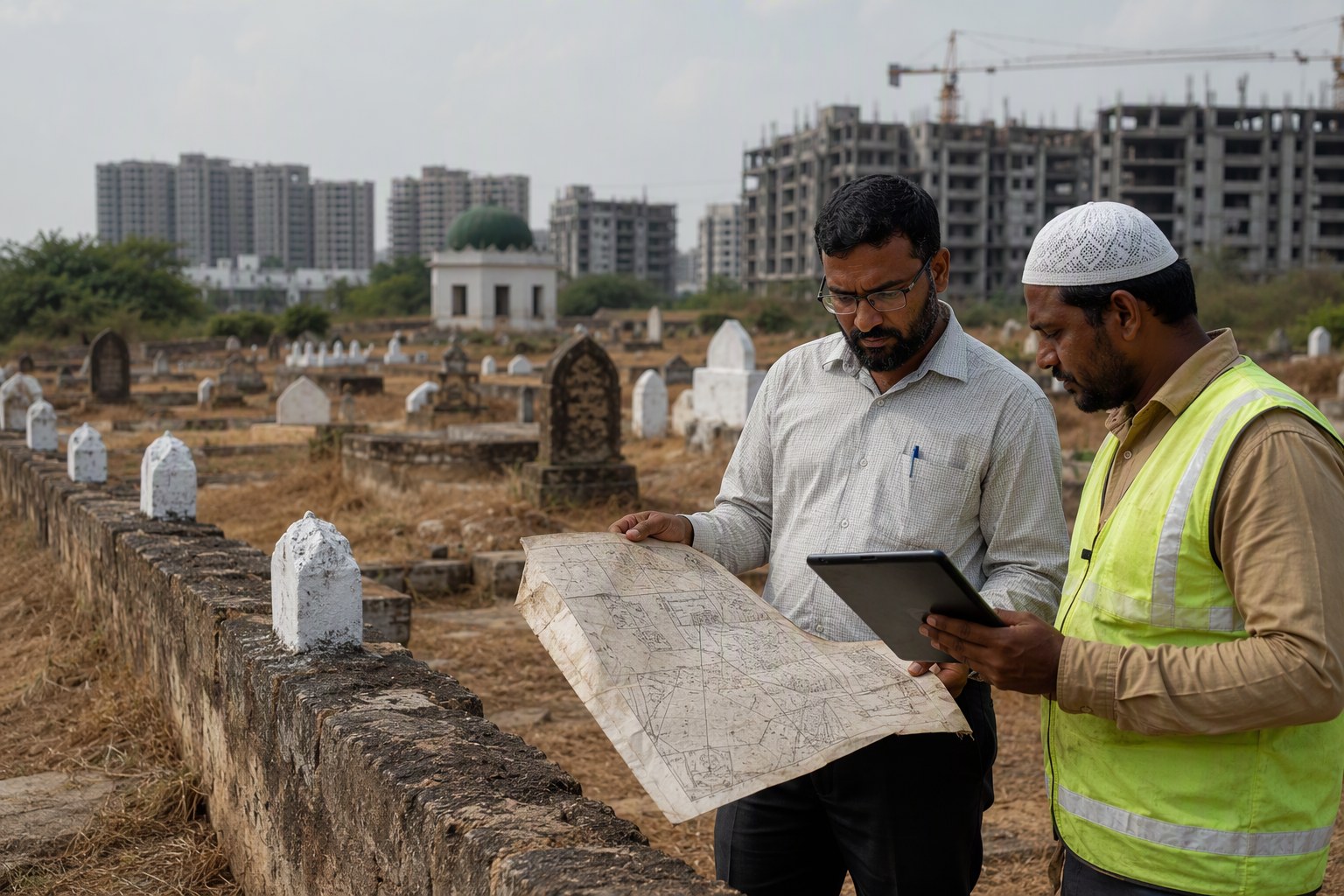
Section 22-A related prohibited lists are meant to stop registration of certain categories of properties. In practice, the confusion begins when an owner does not know why the property appears there. Some cases involve government land claims, assigned land concerns, endowment or wakf issues, court-related restrictions, acquisition history, wrong survey mapping, or legacy entries that were never properly cleaned up.
For a family, the immediate question is more basic: can we sell or not? Can we get a home loan against it? Can we transfer it to children? Can we develop it? These questions cannot be answered by looking at one sale deed alone.
My view is that RWAs should not behave like mini courts. That would be dangerous. But they can become excellent filter points. They can help residents gather the right documents, check obvious mismatches, and avoid agents who promise instant removal for a fee.
What a neighbourhood 22-A clinic may do
A properly run clinic should be boring, methodical, and document-heavy. That is a compliment. The best property verification work is not dramatic. It is patient cross-checking.
- Collect basic property details: survey number, plot number, flat number, village, mandal, SRO, layout name, and owner chain.
- Check whether the entry is property-specific or survey-number-wide: many families get worried because the larger survey number appears, even when their individual plot has separate documents.
- Guide residents to online checks: residents can start with the Prohibited Property Check, Ec Search, and Survey Number Finder.
- Identify the correct registration office: the Find Your Sro and Sro Village Directory tools can reduce basic confusion.
- Separate title risk from valuation: guideline value, stamp duty, and market price are different issues. For fee estimation, residents can use the Stamp Duty Calculator and Guideline Value.
- Prepare a document checklist: link documents, EC, tax receipts, layout approvals, mutation records, court papers if any, and old revenue extracts.
- Refer serious matters to advocates: especially where government land, assigned land, wakf, endowment, acquisition, or court orders are involved.
The RWA advantage: trust and local memory
One reason RWAs can make a difference is local memory. A colony elder may remember when the layout was formed. A committee member may know which plots had boundary disputes. Apartment associations often know which block had delayed permissions or mortgage releases. This kind of memory is not a substitute for records, but it helps frame the right questions.
In Telangana’s urban property market, many title problems are not discovered through a big investigation. They are spotted because someone asks a small question: why is the survey number different in the EC? Why is the land described as agricultural in one old document? Why does the layout name not appear in later papers? Why is the seller avoiding an EC check?
A clinic can train residents to ask these questions early. That alone can prevent bad transactions.
What owners should bring to a 22-A clinic
| Document or detail | Why it matters |
|---|---|
| Latest sale deed or gift deed | Shows the current ownership claim and property description. |
| Link documents | Helps trace how title moved from earlier owners. |
| Encumbrance certificate | Shows registered transactions, mortgages, and some court-related entries where recorded. |
| Survey number and village | Critical for matching revenue and registration records. |
| Layout approval or building permission | Useful for checking whether the development had planning clearance. |
| Property tax or mutation records | Supports possession and civic recognition, though it does not prove clear title by itself. |
| Any notice or rejection note | Helps identify why registration or mutation was stopped. |
Buyers should not treat a clean-looking deed as enough
Hyderabad buyers often fall for neat paperwork. A laminated deed, a smiling seller, and a good location near ORR or Metro can create false comfort. But clean formatting is not clean title.
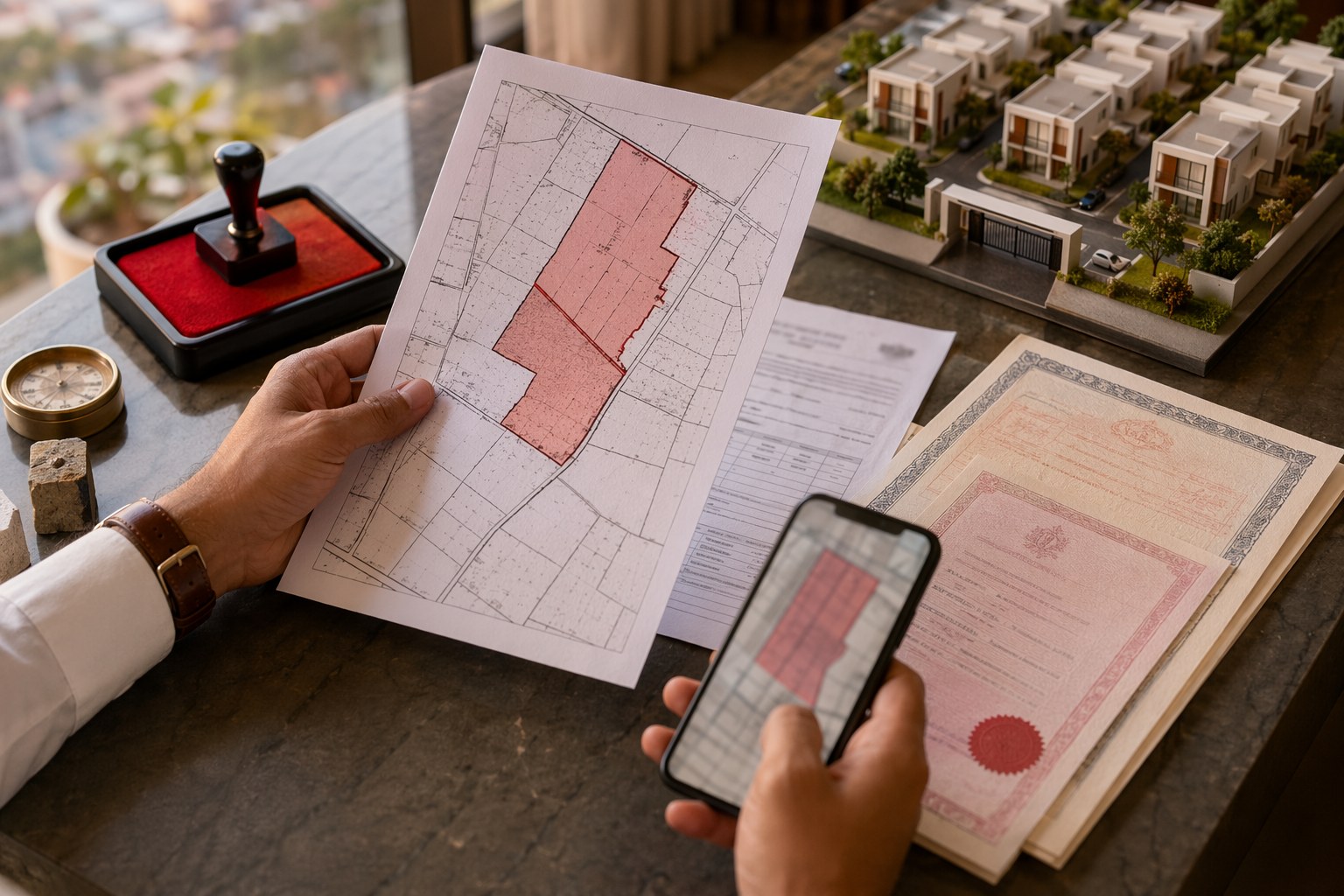
Before paying an advance, buyers should run a basic risk scan. Use Verify My Land for a wider check, Ec Analyzer to read EC patterns, and Cersai Check where loan or mortgage risk is suspected. For apartment projects, the Rera check is also relevant.
For plotted land, also look beyond title. Road access, land use, and local physical conditions can affect future development. Tools such as Landuse Zone Finder, Road Width Check, and Geo Insights can support the first level of screening.
Where RWAs must draw the line
There is one risk in this clinic model: overconfidence. If an RWA volunteer tells a family that a property is safe without proper legal review, the association can create more damage than help. The clinics should use disclaimers, maintain written checklists, and avoid giving final opinions on ownership.
The better model is triage. Green means no obvious 22-A hit found in the first check, but still verify before transaction. Amber means data mismatch or unclear entry, collect more records. Red means serious restriction or legal issue, go to a qualified advocate or the concerned department before any payment or agreement.
This traffic-light style will be easy for residents to understand. It also keeps RWAs in their proper role: community support, not adjudication.
A practical response to a very real market problem
The scale of prohibited-list entries shows why this issue cannot be handled only after a sale agreement is signed. Telangana’s property market has matured in price, but documentation habits have not matured at the same speed. Many families still depend on broker assurance, old photocopies, or word-of-mouth clearance.
Neighbourhood 22-A clinics can change that culture. They can make title checking a community habit, just like water tanker coordination, security meetings, or maintenance audits. For urban RWAs, this is also a way to protect neighbourhood stability. Distress sales, blocked registrations, and disputed plots affect not only one family but the confidence of the whole colony.
The sensible path is clear: check early, document everything, avoid cash-heavy promises, and get legal help where the issue is serious. A 22-A entry is not always the end of the road. But ignoring it is almost always a bad decision.
Frequently Asked Questions
What is a 22-A prohibited property entry?
It is an entry that can restrict registration of a property due to issues such as government claim, assigned land concern, institutional claim, court restriction, or other notified reasons. The exact reason must be checked from records.
Can an RWA remove a property from the prohibited list?
No. An RWA cannot remove an entry. It can help residents understand documents, run first-level checks, and guide them to the correct office or legal professional.
Should I buy a plot if the survey number appears in the prohibited list?
Do not pay an advance until the specific entry is understood. Sometimes the issue may affect a larger survey number, and sometimes it may directly affect the plot. Proper verification is needed.
Which tools can help before visiting a 22-A clinic?
You can start with Prohibited Property Check, EC Search, Survey Number Finder, Find Your SRO, and Verify My Land. These checks help you carry better information to the clinic or advocate.