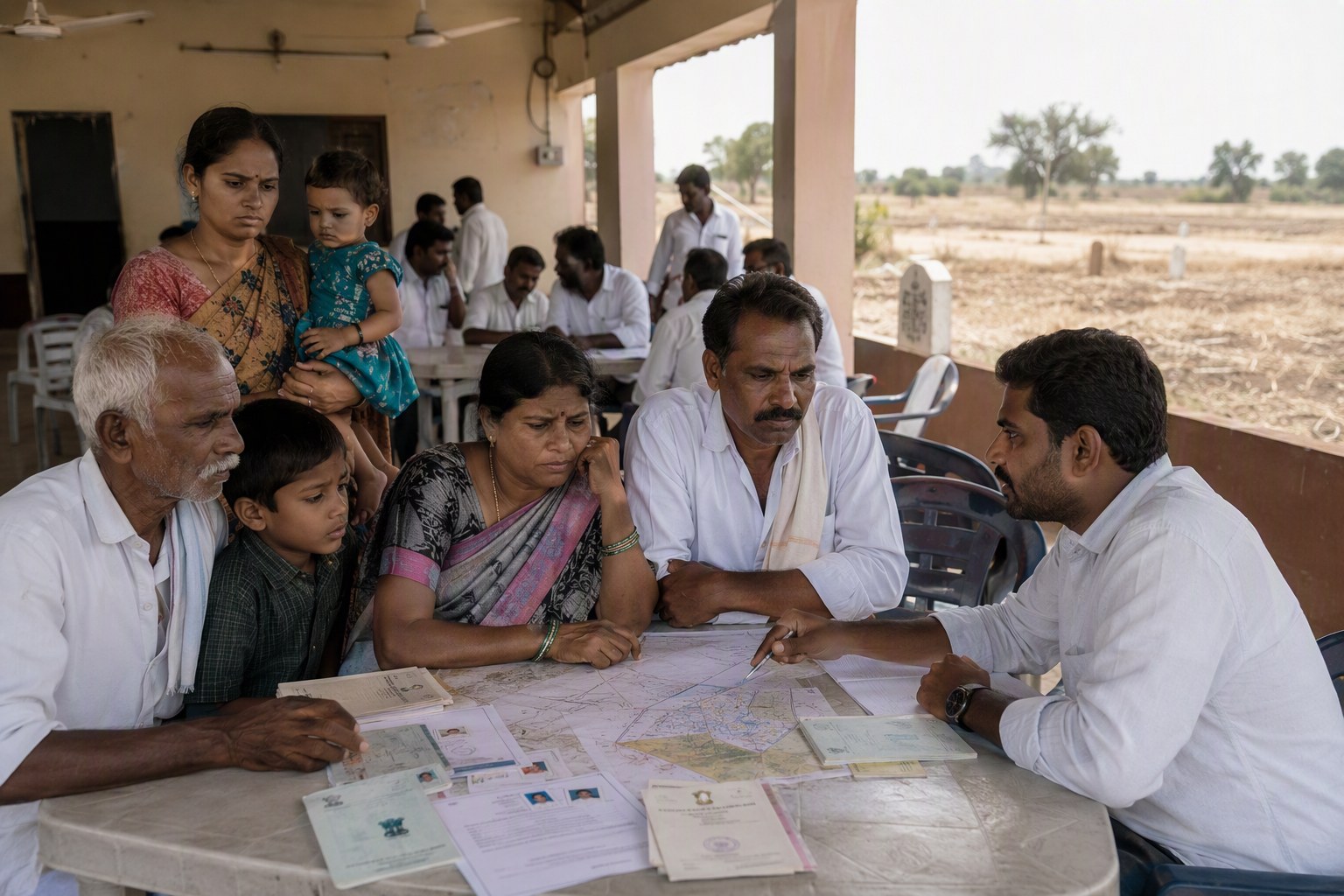
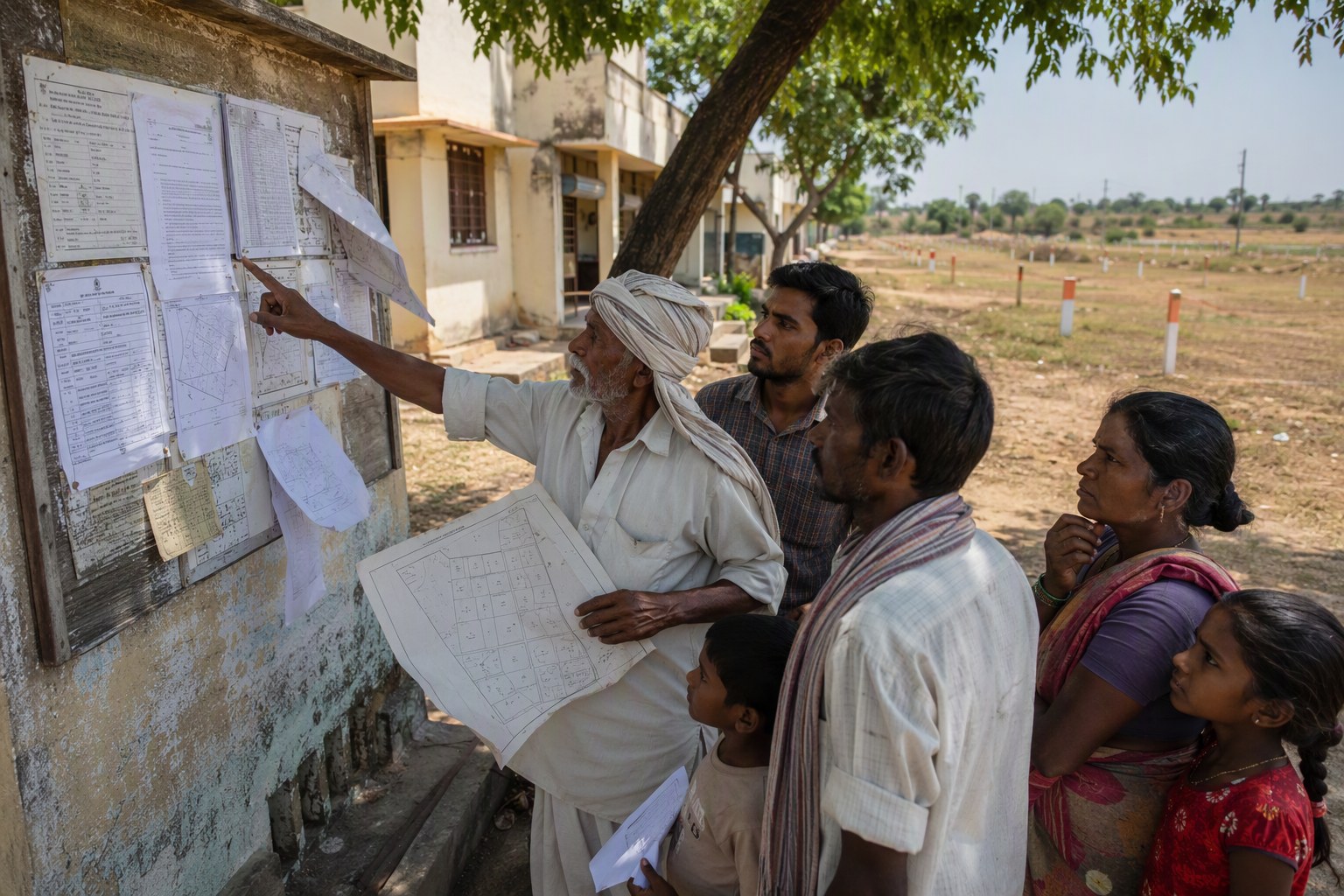
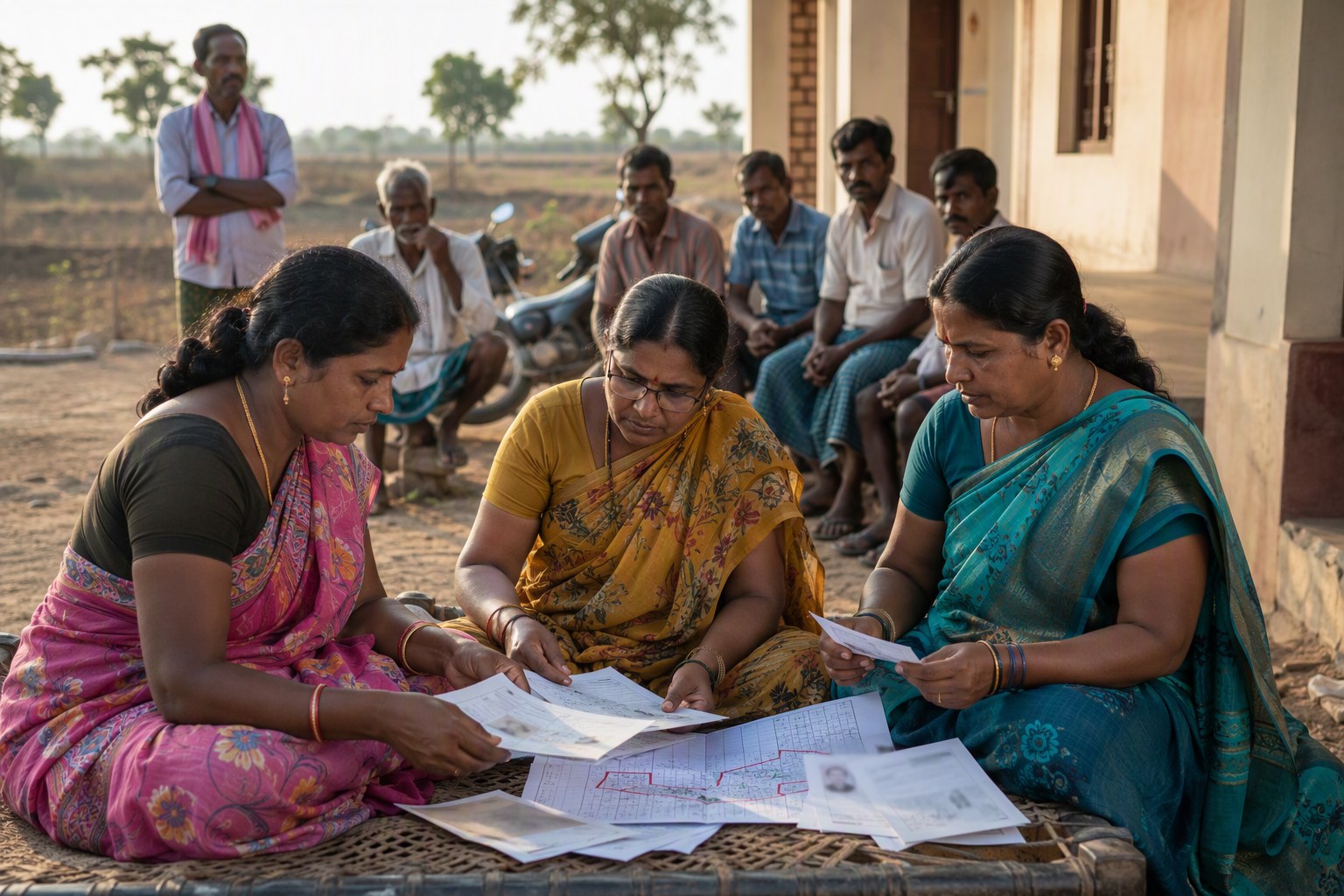
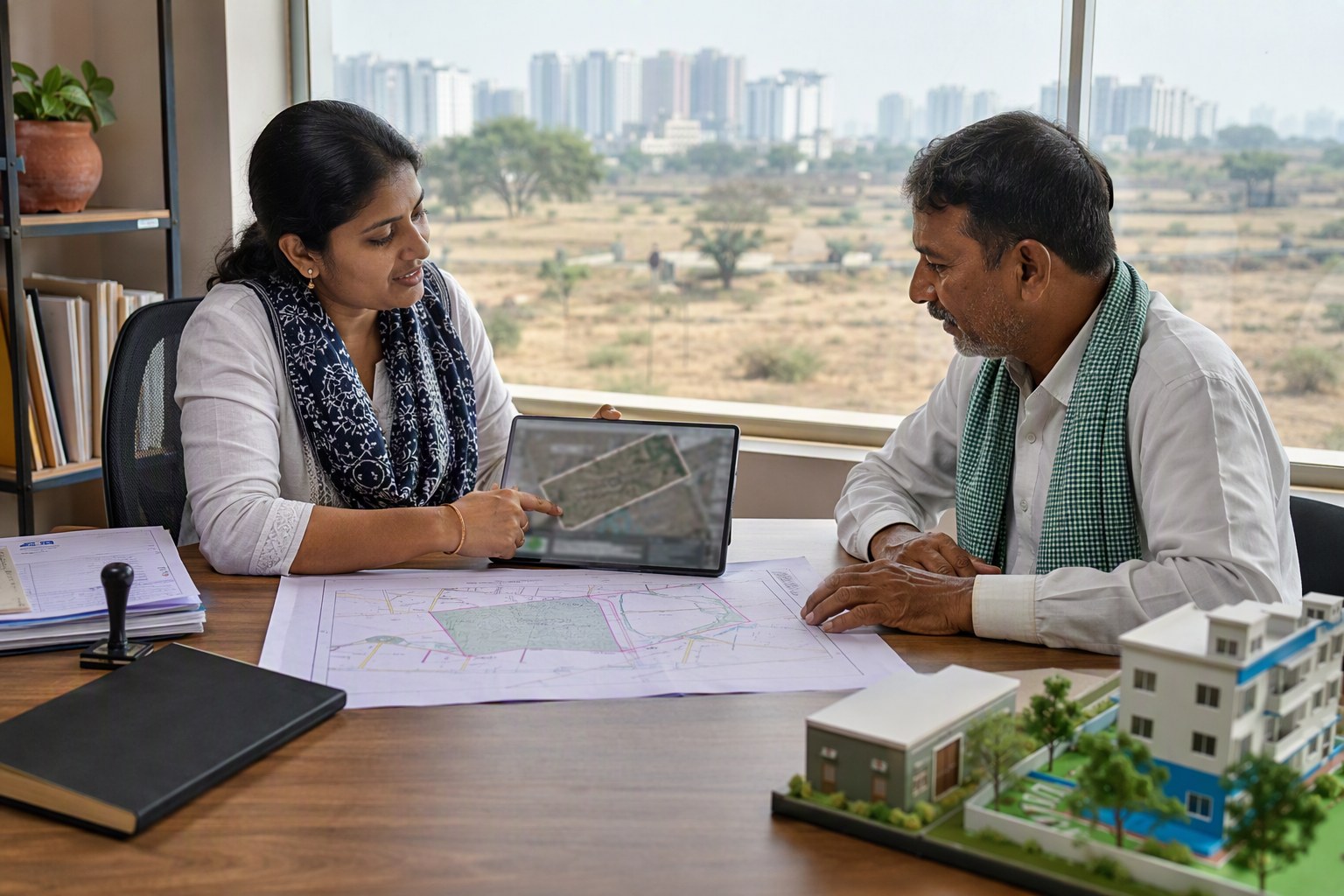
Telangana RWAs May Check 22-A Status Before Park Upgrades is becoming a practical governance discussion across gated communities and old colonies in Hyderabad. The reason is simple: as per latest IGRS data available in the prohibited property database, Telangana has 30,76,153 Section 22-A prohibited property entries. For resident welfare associations planning to spend maintenance funds on parks, club lawns, walking tracks, play zones or open space upgrades, a basic land-status check is no longer only a buyer’s concern. It is slowly becoming an RWA due-diligence habit.
We’ve seen this concern surface in areas such as Gachibowli, Narsingi, Kokapet, Bachupally, Nizampet, Kompally, Uppal, Manikonda and Tellapur, where common open spaces carry high community value. In older colonies, RWAs usually know the park by habit, not by survey number. In newer layouts, residents may have brochures and association handover papers, but still may not have checked whether the land parcel is clean in government records.
The immediate trigger is not one single case. It is the larger awareness that Section 22-A entries can affect registration and title confidence. When an association spends members’ money on a park, temple space, internal road edge, community hall extension or sports court, the committee is expected to act carefully. If the land later turns out to be government land, assigned land, endowment land, wakf-related land, ceiling surplus land or any other prohibited category, the RWA can face hard questions from residents.
Why Telangana RWAs May Check 22-A Status Before Spending
Section 22-A of the Registration Act is a filter used by the registration department to restrict certain properties from being registered. In Telangana, these entries matter because a property appearing under prohibited status can stop sale deeds, gift deeds, mortgage registrations and other transactions at the SRO level. For RWAs, the issue is slightly different. They may not be buying or selling the park. But they may be investing common funds into land whose legal character they have not verified.
In our experience, RWA discussions often begin with practical questions: “Can we relay the walking track?”, “Can we install children’s play equipment?”, “Can we build a small stage?”, “Can we fence the open space?” These works feel harmless. But if the committee does not know the survey number, village, mandal and SRO jurisdiction, even a small upgrade can become a paperwork problem later.
Hyderabad’s growth pattern has made this more sensitive. In Serilingampally mandal, Gandipet mandal, Rajendranagar mandal, Medchal mandal and Quthbullapur mandal, layouts have expanded around revenue villages. A colony may use a GHMC-style address, while the land records still sit under a village name, survey number and revenue classification. That gap between postal identity and revenue identity is where many mistakes happen.
My view is clear: before an RWA spends lakhs from resident collections, it should know the legal status of the land. A park board and a compound wall are not substitutes for a survey number check, pahani review and prohibited property search.
Telangana RWAs May Check 22-A Status Using Basic Land Details
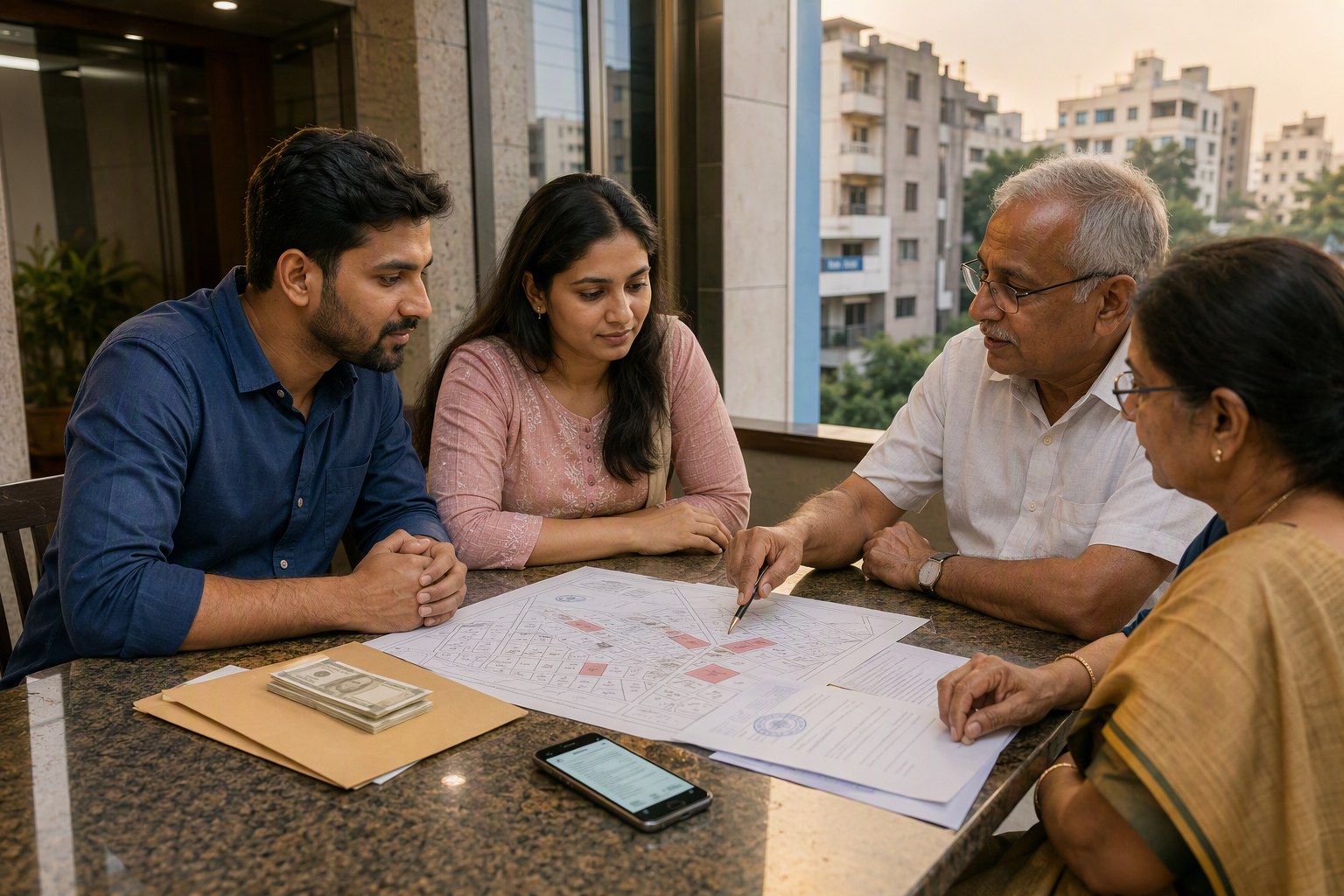
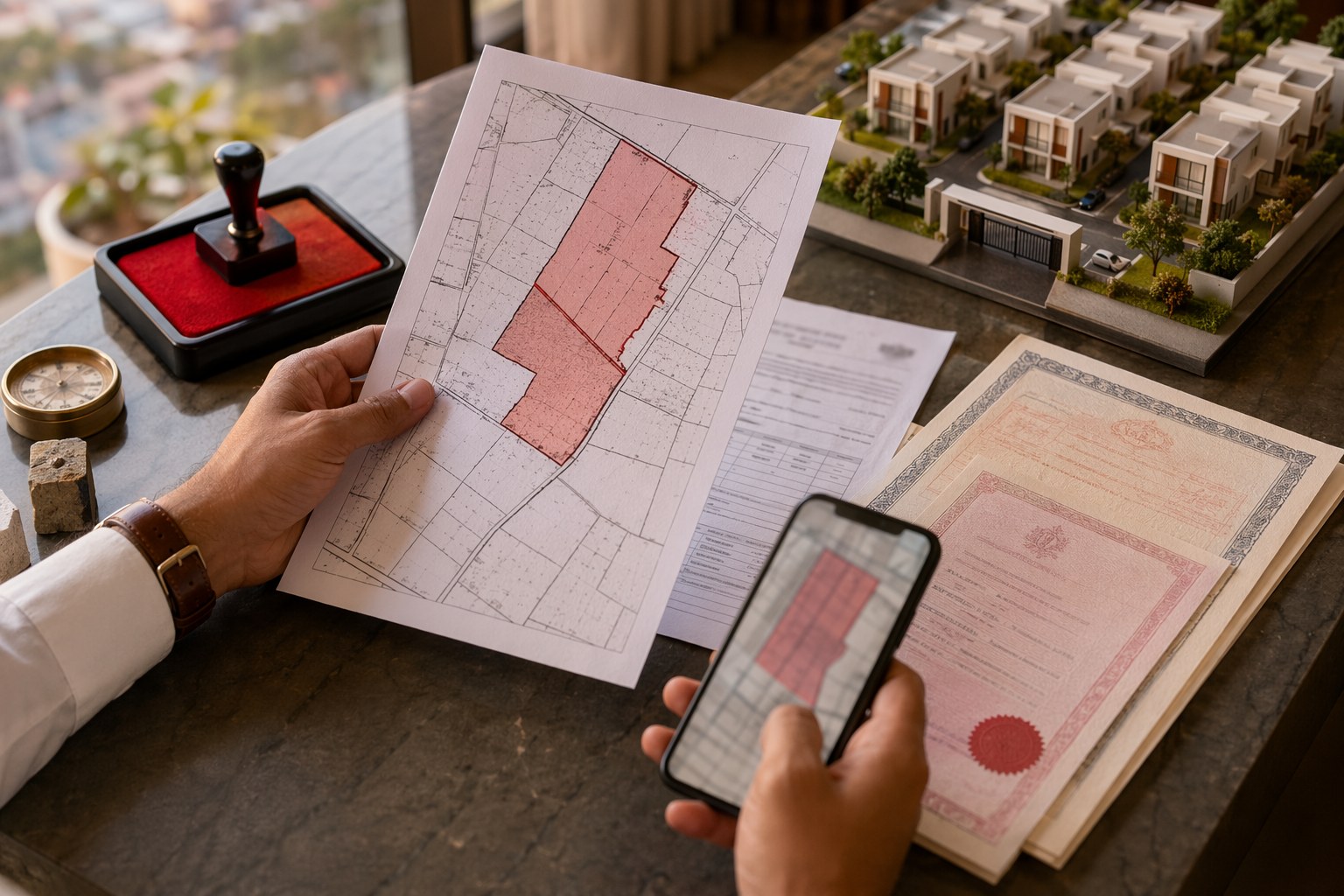
The first step is not complicated. An RWA should collect the layout approval copy, final approved plan, handover documents from the builder or developer, any municipal correspondence, old sale deed schedules of flat owners where undivided share and common areas are described, and available revenue details. The committee should identify the village, mandal, survey number or sub-division number covering the park or shared space.
Once these details are available, the association can run a Section 22-A check. Verified.RealEstate users can start with the Section 22-A Prohibited Property Check. If the committee does not know the survey number, it can use the Survey Number Finder. For a broader due-diligence view, the Property Verification Tool can help organise the checks before a resolution is passed in the general body meeting.
This is especially useful in communities where the park is shown as OSR, layout open space or amenity area. RWAs should also check whether the land is part of an approved layout and whether the open space was handed over to the local body. For OSR-related planning, the OSR Calculator is useful for understanding open space calculations, though legal ownership still needs document verification.
What Section 22-A Means For Parks And Shared Spaces
For a normal buyer, a 22-A entry means the SRO may not register the document. For an RWA, the risk is reputational, financial and administrative. If a park upgrade is done on land that later gets questioned by a government department or by another claimant, residents may ask why the committee did not check before using the sinking fund or maintenance corpus.
There is also a practical issue. Vendors, contractors and donors may ask for clarity when the work is large. A walking track may not raise many questions. But a community hall extension, boundary wall, turf court or permanent structure can attract attention. If the land classification is not clear, permissions may slow down. In some cases, local body officials may ask for layout documents, land handover records, mutation references or NOC papers.
In Hyderabad’s apartment clusters, the common mistake is relying only on the builder’s marketing plan. Brochures are not land records. A site map in a sales office is not the same as an approved layout plan. A park shown in green colour should still be checked against the survey number and revenue record.
RWA Checklist Before Park Upgrade Approval
A sensible RWA committee need not become a legal office. But it should maintain a small land-status file before approving common-space works. This file can prevent disputes during committee changes also.
- Identify the exact land parcel: Note village, mandal, survey number, sub-division, extent and boundaries from available documents.
- Check Section 22-A status: Use the Section 22-A Prohibited Property Check before spending community funds.
- Review encumbrances: Use the Encumbrance Certificate Search or EC Analyzer where document numbers are available.
- Confirm SRO jurisdiction: The Find Your SRO Office tool helps identify the registration office linked to the property area.
- Check land use: For larger works, the Land Use Zone Finder can support planning conversations.
- Record the decision: Put the findings before the managing committee and general body, then pass a clear resolution.
Where Hyderabad RWAs Should Be Extra Careful
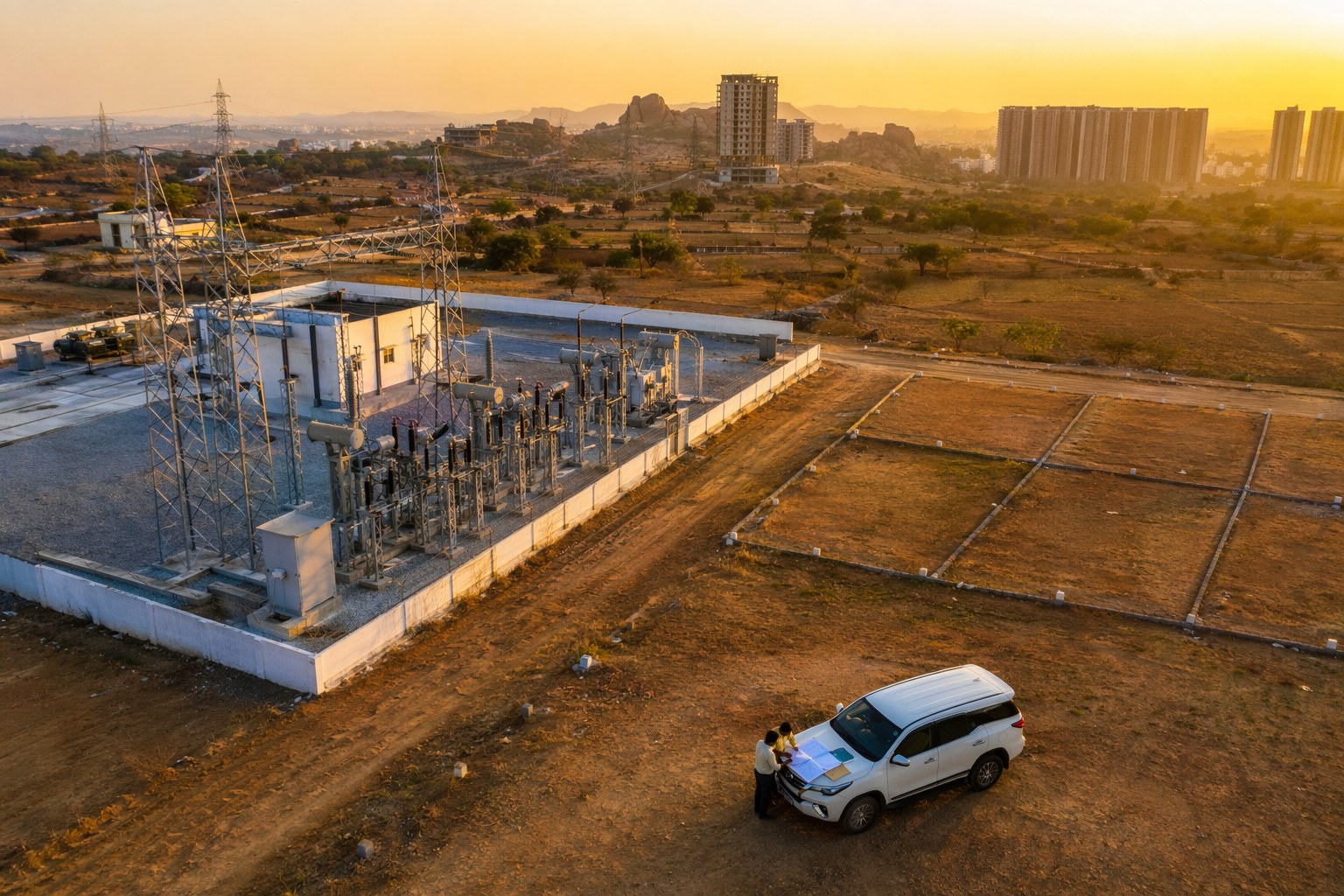
Fast-growing corridors need sharper paperwork discipline. In Kokapet, Narsingi and Gandipet, land values and layout complexity have gone up quickly. In Tellapur and Osman Nagar, many gated communities sit around old revenue village boundaries. In Bachupally, Nizampet, Pragathi Nagar and Kompally, residents often deal with a mix of municipal, revenue and layout approval records. In Uppal, Peerzadiguda and Boduppal, older colony layouts may have documents scattered across multiple offices and past committees.
None of this means every park is risky. Many parks are perfectly valid layout open spaces. But with 30,76,153 prohibited property entries in the database, a quick check is a reasonable safeguard. I would rather see RWAs spend one week on verification than face one year of resident arguments after a contractor bill is paid.
| RWA Situation | Suggested Check | Why It Matters |
|---|---|---|
| Upgrading a colony park | 22-A status, survey number, layout plan | Confirms whether the land has any prohibited-property flag |
| Building a sports court or stage | Land use, local body permission, ownership trail | Permanent works need stronger documentation |
| Taking over common areas from builder | Approved plan, handover record, EC, SRO details | Helps avoid future disputes between association and developer |
| Old colony with missing papers | Pahani, revenue village details, SRO search | Reconstructs the land identity before spending funds |
How Committees Can Communicate This To Residents
Some residents may feel verification is unnecessary delay. Committees should explain it in simple words: this is not suspicion, it is stewardship. Maintenance money belongs to all owners and tenants indirectly pay into the system through rent and charges. Before that money is used for immovable improvements, the committee should verify that the land is not flagged in official records.
The best approach is to share a one-page note before the general body meeting. Mention the proposed work, land details available, checks completed, pending documents and committee recommendation. If the association has no survey number, say so openly and record the plan to trace it. Transparency reduces WhatsApp rumours.
For large communities, a property sub-committee with one lawyer, one engineer and two residents who understand local documentation can help. They can coordinate with the builder, municipal office, SRO and revenue staff. Even if the final legal opinion comes from an advocate, the RWA should keep copies of every document in its digital records.
The Larger Message For Telangana RWAs
Telangana’s real estate market has matured, but community governance is still catching up. Earlier, RWAs focused mainly on security, housekeeping, water tankers and festival events. Now, common land management is becoming part of responsible association work. Park upgrades, EV bays, play areas, club extensions and internal road changes all need better paperwork discipline.
My opinion: every RWA in Hyderabad, especially in high-growth corridors, should create a land-record folder for common areas. It should include the approved layout, survey numbers, land use, EC copies where available, SRO details, municipal handover letters and 22-A status screenshots. This is not over-caution. It is basic protection for community funds.
With lakhs of prohibited entries sitting in government records, the safest association is the one that checks first and spends later.
Frequently Asked Questions
Should an RWA check 22-A status before park upgrades?
Yes. If the RWA is spending community funds on a park, open space or shared facility, checking Section 22-A status is a sensible due-diligence step. It helps confirm whether the land has any prohibited-property flag in official records.
What details are needed for a 22-A prohibited property check?
The RWA should try to collect the village name, mandal, survey number, sub-division number, extent and SRO jurisdiction. Layout approval copies and old handover documents also help.
Can an RWA upgrade a park if the survey number is not known?
It can plan the work, but it should first trace the survey number through layout papers, builder records, municipal files or revenue records. Spending without knowing the land identity is avoidable risk.
Does a 22-A entry always mean the RWA cannot use the park?
Not always. Usage, ownership and registration restrictions are different issues. But if a land parcel appears in 22-A records, the RWA should take legal advice before making permanent improvements.
Which tools can RWAs use for basic verification?
RWAs can use the Section 22-A Prohibited Property Check, Survey Number Finder, Property Verification Tool, EC Search and Find Your SRO Office tools on Verified.RealEstate to organise their first-level checks.