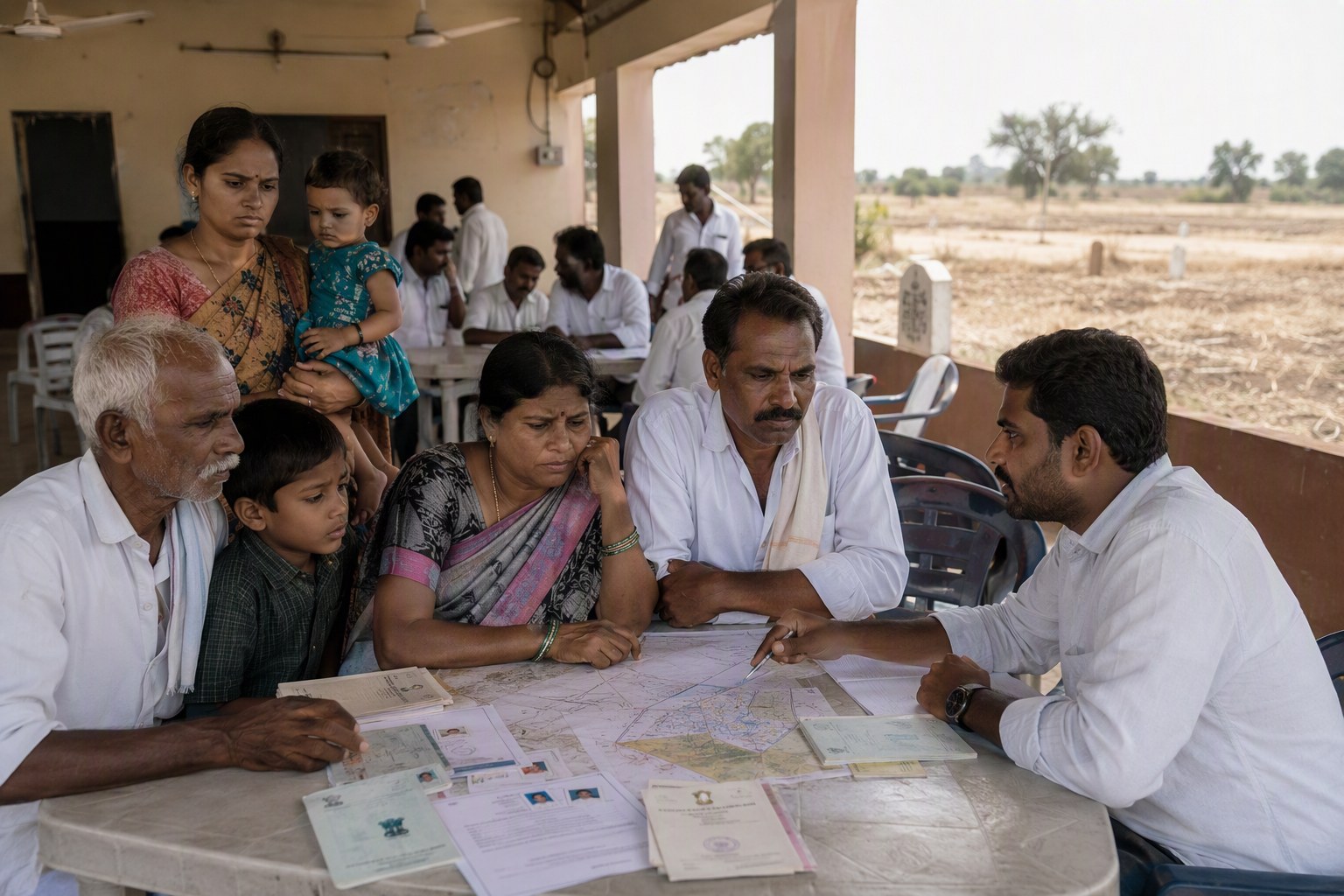
Legal aid camps can become a practical first stop for Telangana families trying to understand 22-A land status before selling, gifting, partitioning or inheriting property. As per latest IGRS data available in our database, Telangana has 3,076,153 prohibited property entries under Section 22-A. That number alone explains why many ordinary families, especially legal heirs and elderly sellers, need early support before they reach the SRO counter with a sale deed.
In Hyderabad’s expanding property belt, this issue is not limited to one pocket. We regularly see confusion from families dealing with land in Serilingampally, Rajendranagar, Gandipet, Hayathnagar, Moinabad, Maheshwaram, Shamirpet, Medchal, Abdullapurmet and nearby mandals. One branch of the family may have an old pahani. Another may have a mutation entry. A buyer may bring an advance amount. Then, at the last stage, someone discovers that the survey number is appearing under 22-A prohibited property records.
Our view is simple: 22-A status should be checked before negotiation, before advance payment and certainly before drafting any sale agreement. Legal aid camps can take this message to people who may not use online property tools on their own.
Why 22-A Land Checks Matter Before Any Family Property Decision
Section 22-A entries are not small clerical irritants. They can block registration, delay family partitions, disturb bank loan plans and create disputes between buyers and sellers. In many cases, the family does not even know that a land parcel is flagged until a transaction is attempted.
That is why a local legal aid camp, if organised well, can do more than just give general advice. It can help people ask the right questions:
- Is the survey number or sub-division number appearing in prohibited property records?
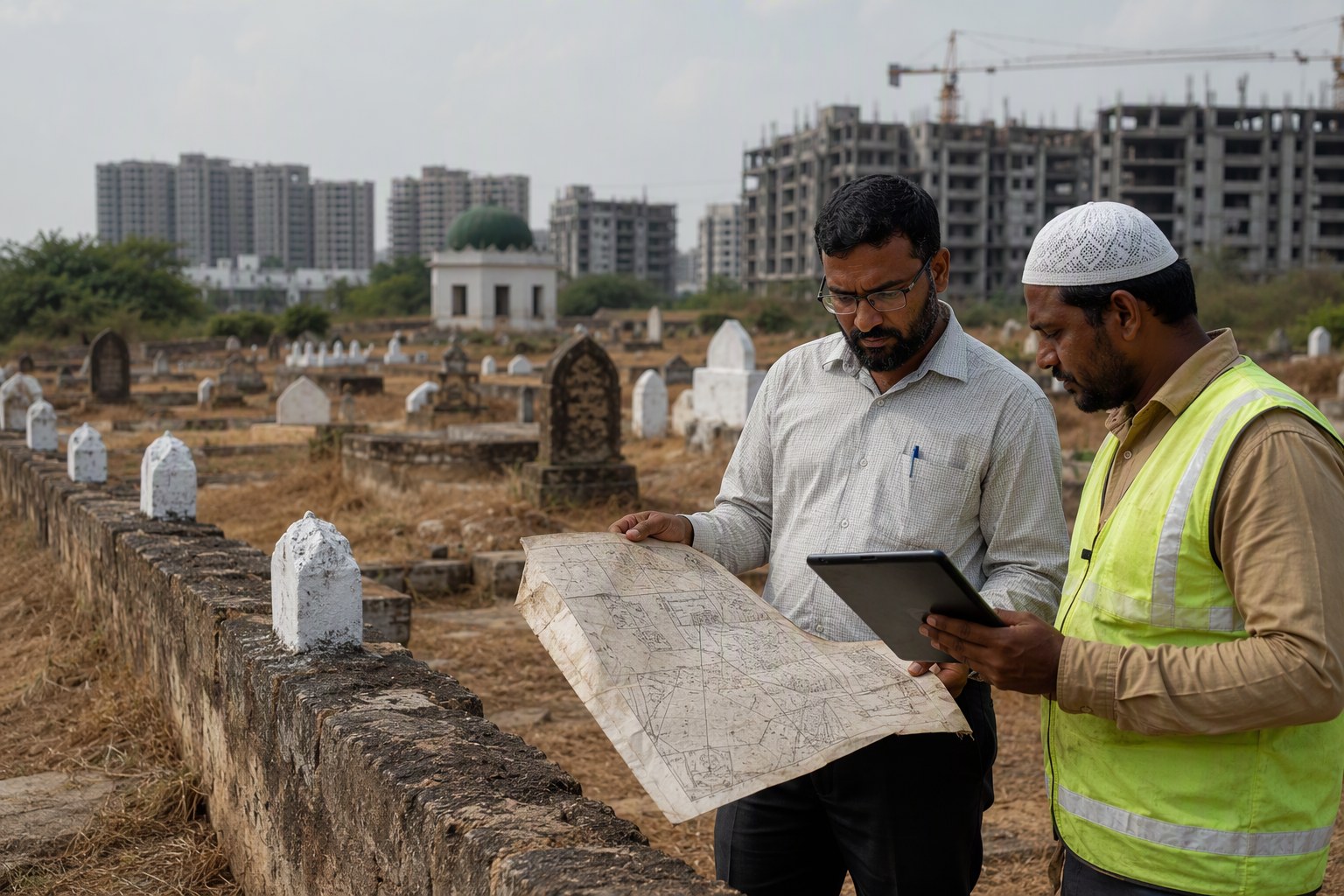
- Is the land classified as assigned land, endowment land, government land, waqf land, ceiling surplus land or another restricted category?
- Does the family have old pahanis, pattadar passbooks, link documents and mutation records in one file?
- Which SRO has jurisdiction for the village?
- Is the issue with the whole survey number or only a portion?
For a family in Gandipet mandal or Moinabad mandal, this difference can be decisive. A full survey number restriction is one type of problem. A partial extent issue needs more careful document reading. Without guidance, vulnerable sellers may accept low offers from people who say, “This land has a problem, sell it quickly.” We’ve seen this behaviour in the market. A proper check can protect the seller from panic pricing.
How Legal Aid Camps Can Help Families Decode 22-A Land
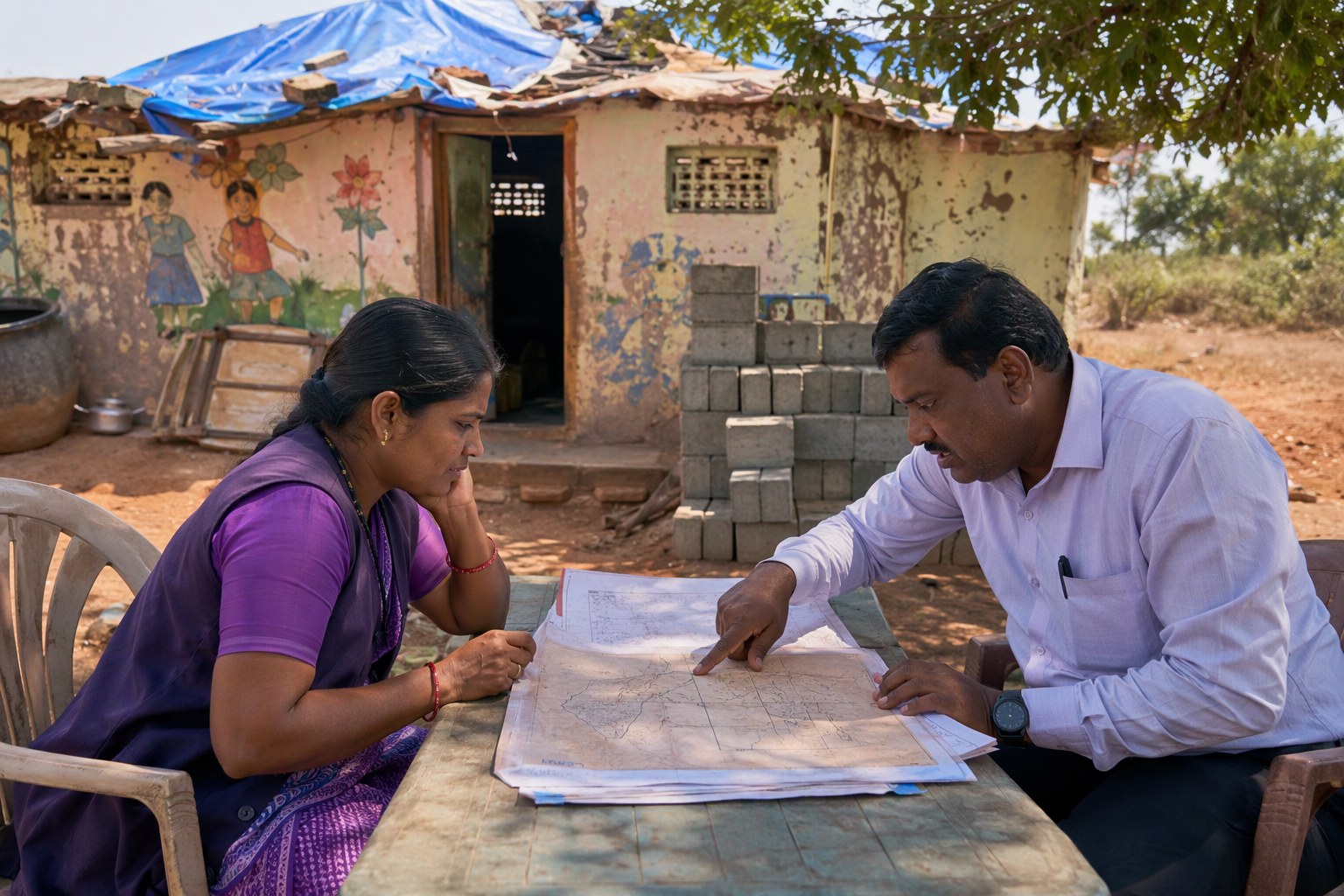
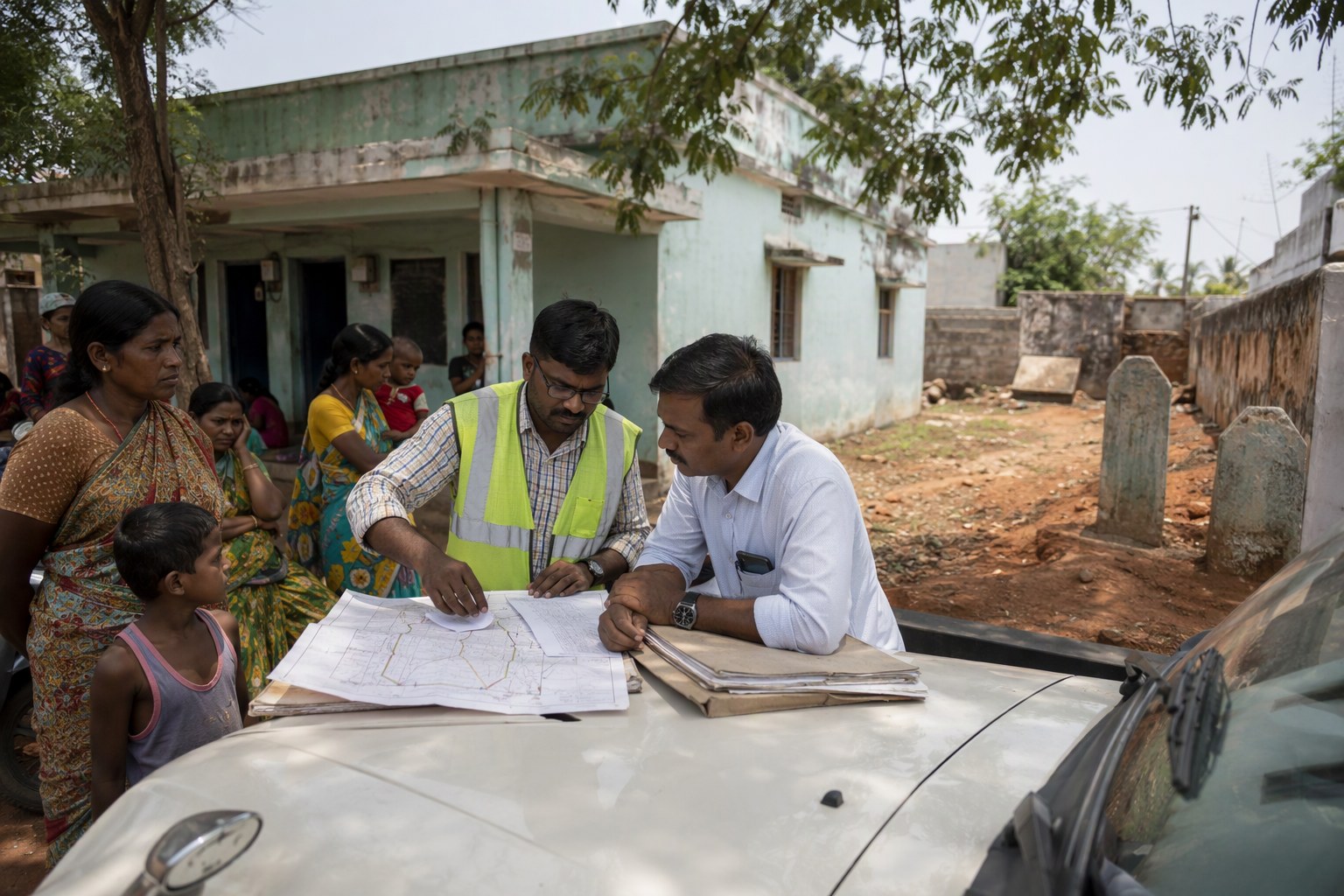
A useful camp should not be a lecture-only event. It should function like a document triage desk. Families can bring copies of sale deeds, partition deeds, gift deeds, pattadar passbooks, Dharani details, pahanis, tax receipts, ECs and old court papers if any. A legal volunteer or trained property counsellor can then help them separate three things: ownership documents, revenue records and registration restrictions.
In our experience, many heirs do not know the difference between “name appearing in revenue records” and “property being freely registrable”. Both are connected, but they are not the same. A person may have family papers, but the SRO may still refuse registration if the land falls under a prohibited category.
Verified.RealEstate users can start with the Section 22-A Prohibited Property Check and then cross-check basic property details through the Property Verification Tool. If the family does not know the exact village or survey number, the Survey Number Finder can help them organise the first layer of information before meeting a lawyer or visiting the SRO.
22-A Land and Heirs: The Most Common Pain Point
The hardest cases are usually inheritance cases. Father purchased land decades ago. Children live in different cities. Some documents are in Telugu, some are faded photocopies, and one sibling may have only a passbook photo on WhatsApp. When the family decides to sell, the buyer asks for an EC, link documents and market value. Then the 22-A question comes up.
Legal aid camps can help heirs prepare a basic checklist before they sign anything:
- Collect death certificate and legal heir details.
- Arrange old title deeds in date order.
- Check EC for the required period using the Encumbrance Certificate Search and review entries carefully.
- Identify the correct SRO through the Find Your SRO Office.
- Check village-wise government value through the Market Value / Guideline Value Search.
- Compare Dharani, pahani and registration data where available.
- Do not accept token advance until the 22-A status is checked.
This is especially relevant in fast-changing corridors such as Tellapur, Kokapet surroundings, Narsingi, Mokila, Adibatla, Tukkuguda, Shamirpet and Medchal. Land values and buyer interest can create pressure on families. But pressure is exactly when legal checks should become stricter.
What Sellers Should Ask at a 22-A Land Legal Aid Camp
For ordinary sellers, the best use of a camp is to walk in with a written list of questions. Here are the questions I would advise Telangana families to ask:
| Question to ask | Why it matters |
|---|---|
| Is my survey number listed under Section 22-A? | This determines whether normal registration may be blocked. |
| What is the stated reason for prohibition? | The next step depends on whether the issue is government land, assigned land, endowment, waqf or another category. |
| Is the whole land affected or only part of the extent? | Partial restrictions need careful mapping and document review. |
| Which office should I approach for clarification? | Families often go to the wrong office first and lose time. |
| Should I sign a sale agreement now? | A lawyer can advise whether the agreement needs protective clauses or should be postponed. |
One more practical point: do not rely only on a broker’s word. Many brokers are knowledgeable, but they are not a substitute for documentary verification. A broker may say “registration will happen”, but the SRO system and prohibited property records decide the matter at the counter.
Why Vulnerable Sellers Need Protection in 22-A Land Matters
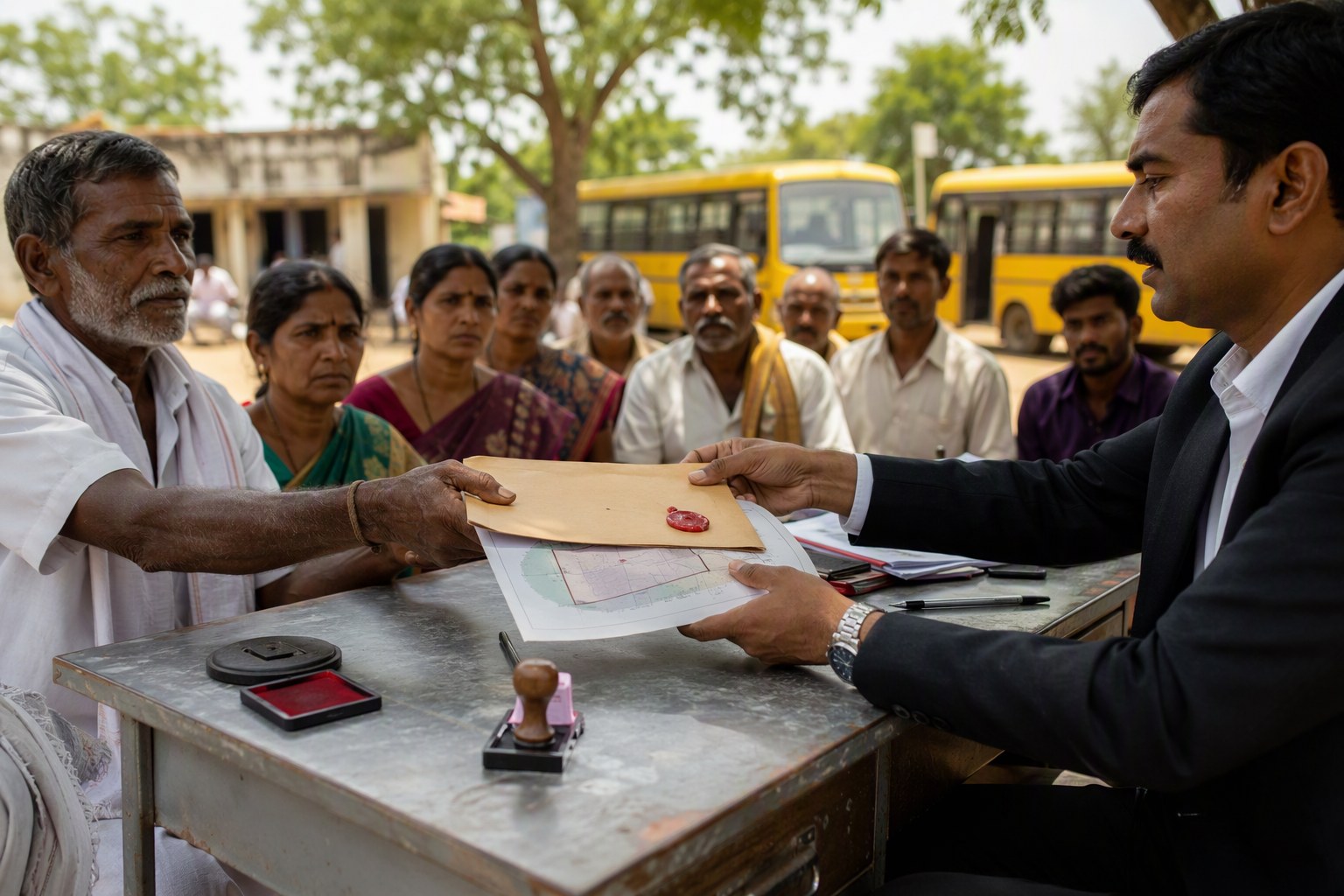
Widows, senior citizens, migrant families, first-time sellers and people under medical or debt pressure are at higher risk. If someone tells them their land is “blocked” without explaining the reason, they may sell rights informally, execute risky agreements or hand over original papers. Legal aid camps can prevent this by giving calm, document-based advice.
We should also be honest about one thing. Not every 22-A entry can be solved quickly. Some entries may require representation before revenue authorities, clarification from departments, correction of records, court orders or policy-level action. But even when the solution is not immediate, the family gains clarity. That itself is valuable.
For buyers, the lesson is equally clear. Before paying advance for land in any Hyderabad growth corridor, check 22-A status, EC, SRO jurisdiction, guideline value and land use. For apartments, also check project approvals and registration status through the RERA Project Lookup. Different property types need different checks, but the habit of verification should be the same.
What a Good Telangana 22-A Land Camp Should Include
A strong community camp can include four counters. First, a document sorting counter for sale deeds, pahanis, pattadar passbooks and ECs. Second, a digital search counter for 22-A, EC and SRO details. Third, a legal counselling counter for heirs, women sellers and senior citizens. Fourth, a follow-up desk that tells the family which office to approach next.
Local language support is non-negotiable. Many old land records are in Telugu. Terms like pahani, sethwar, khata, patta, extent, survey number, sub-division, mutation and prohibited property must be explained in plain language. The Telugu-English Property Terms Dictionary can also help families understand common words before they meet officials or advocates.
Hyderabad’s land market has become sophisticated, but family-level documentation is still messy in many homes. That mismatch creates stress. Legal aid camps can bridge the gap between government records, family papers and real-world property decisions.
The Bottom Line on Legal Aid Camps and 22-A Land
With 3,076,153 prohibited property entries recorded in our database as per latest IGRS data, Telangana cannot treat 22-A awareness as a niche legal topic. It affects families planning marriages, education funding, medical expenses, inheritance division and retirement security.
My advice to families is direct: before any major decision, check the 22-A status, identify the correct SRO, read the EC, verify the survey number and take legal help if there is even a small doubt. A one-day legal aid camp may not solve every land problem, but it can stop many families from making irreversible mistakes.
Frequently Asked Questions
What is 22-A land in Telangana?
22-A land refers to property listed under Section 22-A as prohibited or restricted for registration. The reason may vary, so families must check the exact survey number, village and category before any transaction.
Can legal aid camps remove a 22-A entry?
A legal aid camp usually cannot remove the entry on the spot. It can help families understand the reason, organise documents and identify the correct authority or legal route for next steps.
Should heirs check 22-A status before partition or sale?
Yes. Heirs should check 22-A status before partition, sale, gift or family settlement. It avoids last-minute registration refusal and helps the family negotiate with clear facts.
Which documents should I carry to a 22-A legal aid camp?
Carry sale deeds, link documents, pattadar passbook, pahani copies, Dharani details, EC, tax receipts, death certificate in inheritance cases and any court or revenue order connected to the land.
Is an EC enough to confirm that land is safe to buy?
No. An EC is only one part of due diligence. Buyers should also check 22-A status, survey number details, SRO jurisdiction, land use, ownership records and legal history before paying advance.