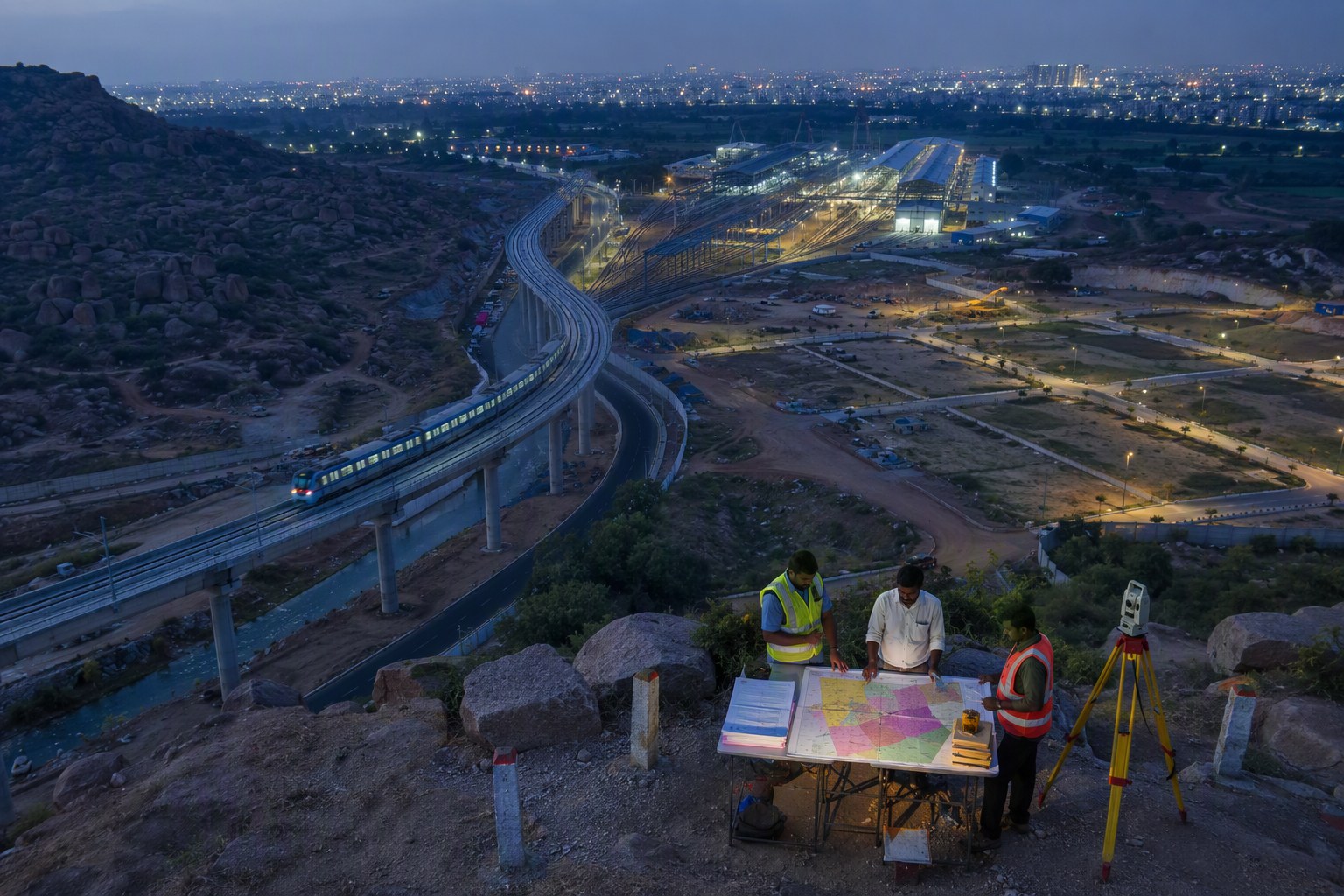
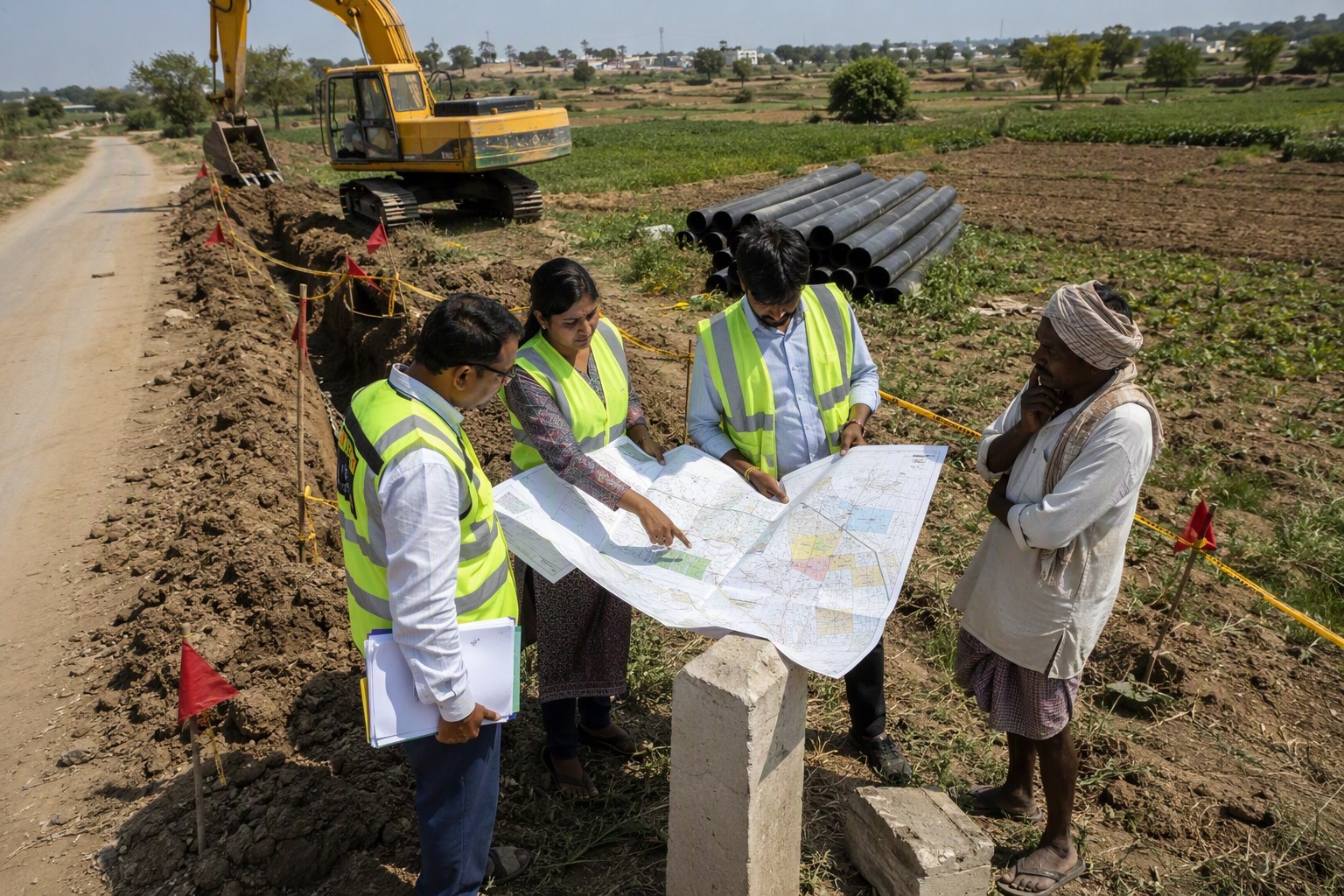
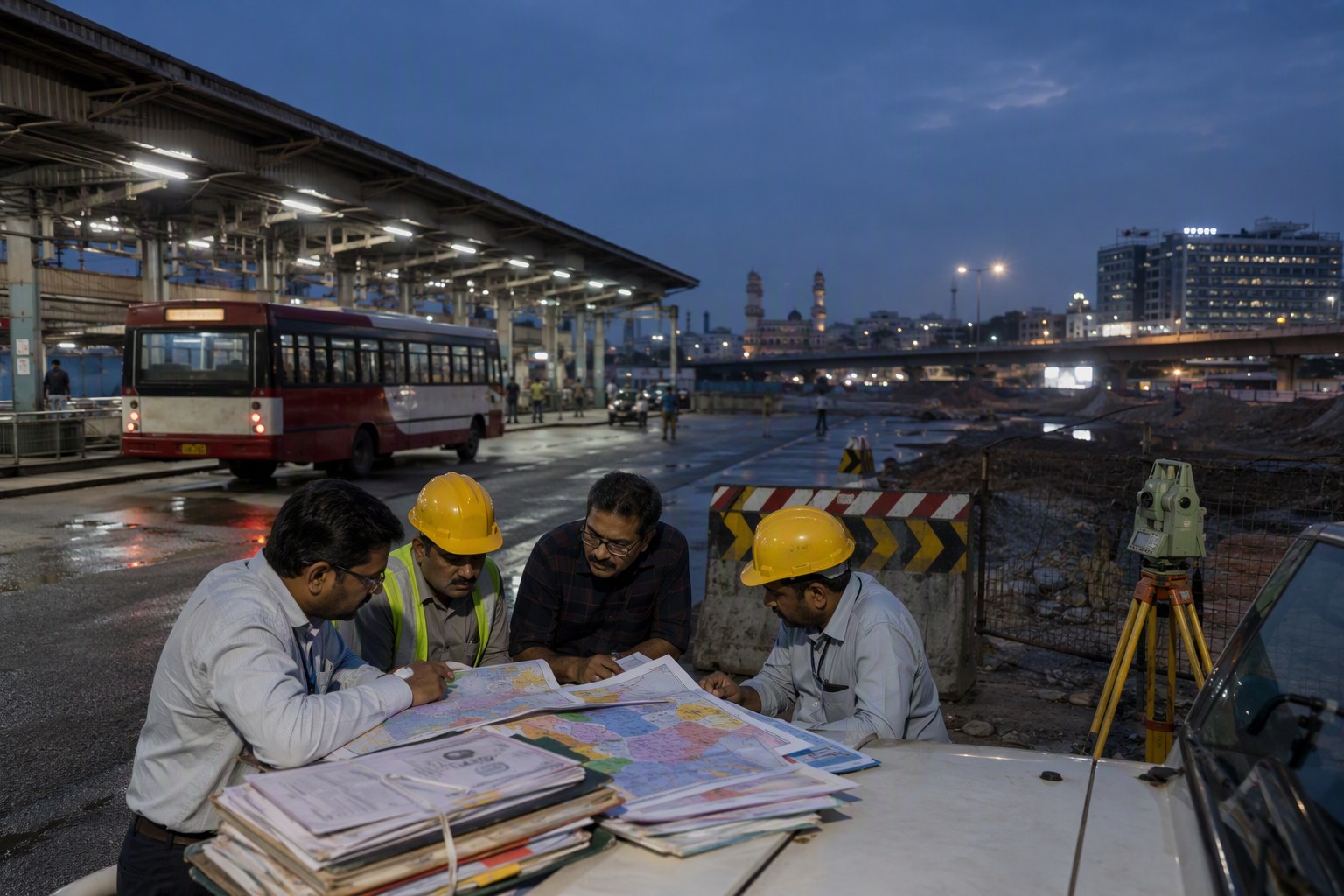
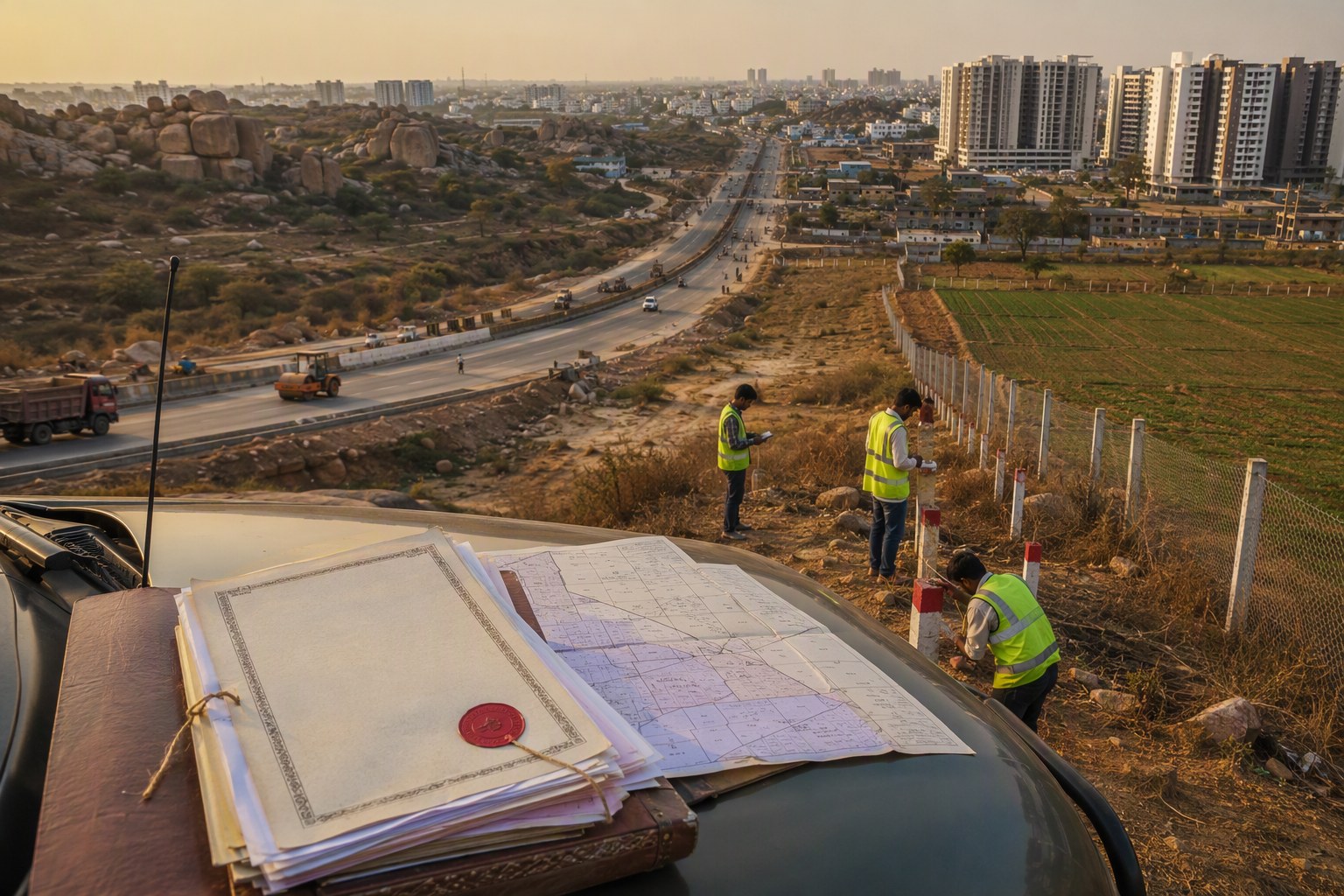
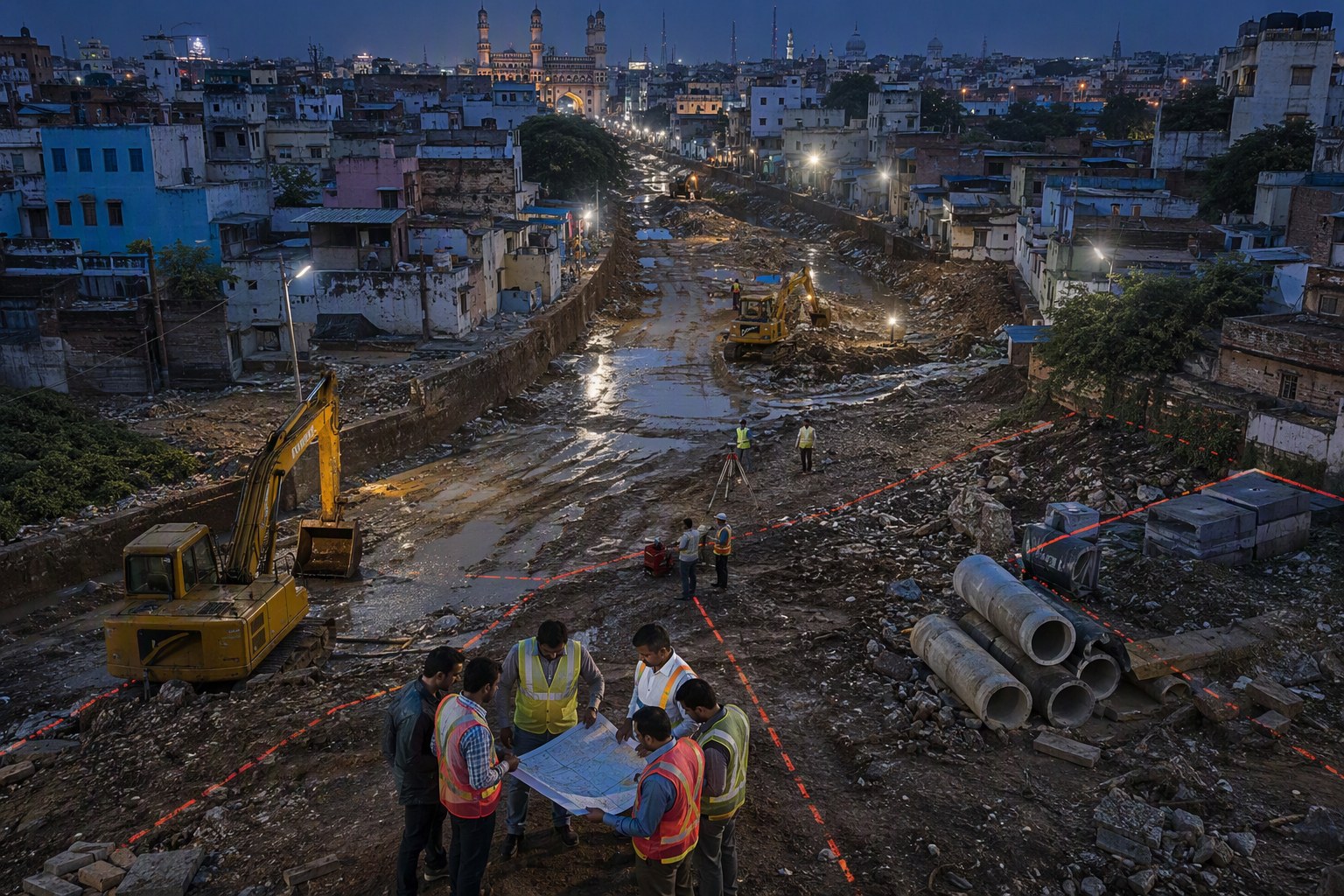
Telangana Rail Station Redevelopment work could push land teams, contractors and nearby property owners to run Section 22-A checks much earlier than usual. The reason is simple: access roads, parking pockets, approach ramps, temporary work yards and lease parcels around railway stations often touch older survey numbers, government lands, endowment lands, ceiling lands or disputed entries. As per latest IGRS data, Telangana has 3,076,153 prohibited property entries in the Section 22-A database. That is too large a number to ignore when station redevelopment moves from drawings to ground work.
For Hyderabad and surrounding urban nodes, this is not only a railway issue. It can affect landowners near Secunderabad, Nampally, Kacheguda, Lingampalli, Malkajgiri, Begumpet, Sanathnagar, Hafeezpet and Falaknuma where station-area improvement may need road widening, circulation space, parking management or commercial leasing.
Telangana Rail Station Redevelopment: why 22-A screening comes first
Section 22-A of the Registration Act is the list that can block registration of certain properties. In Telangana practice, buyers usually worry about it at the sale deed stage. That is too late for infrastructure-linked land. In our experience, the correct time to check 22-A status is before boundary marking, tender-linked possession, lease structuring or any private negotiation near a station.
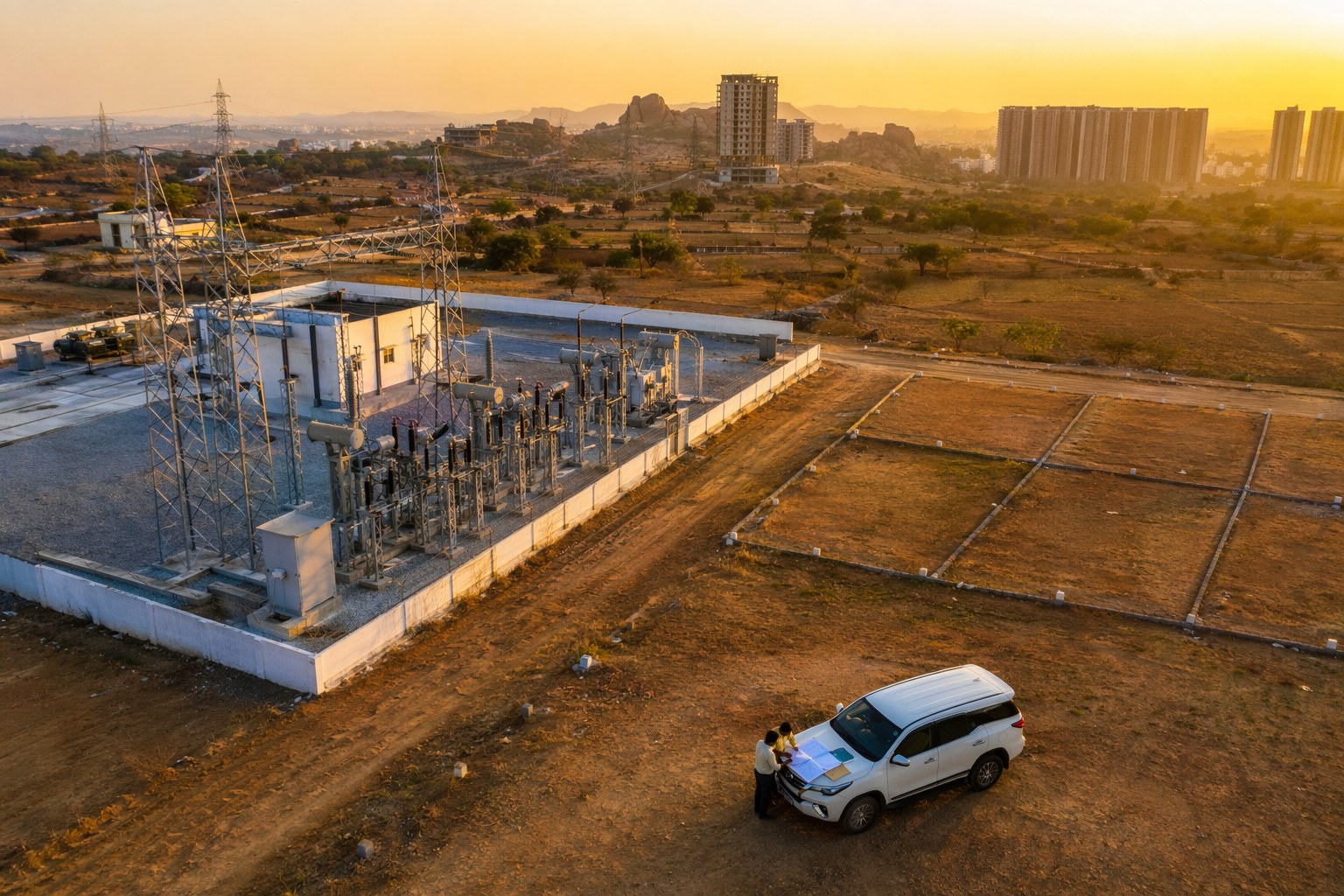
Rail station redevelopment typically creates pressure on land around the core station building. The station may be railway-owned, but the supporting land layer can be mixed. One side may need an access road through municipal land. Another side may have private plots with old pahanis. A proposed parking area may fall across multiple survey numbers. A commercial lease parcel may need a clean title trail before banks, tenants or developers accept it.
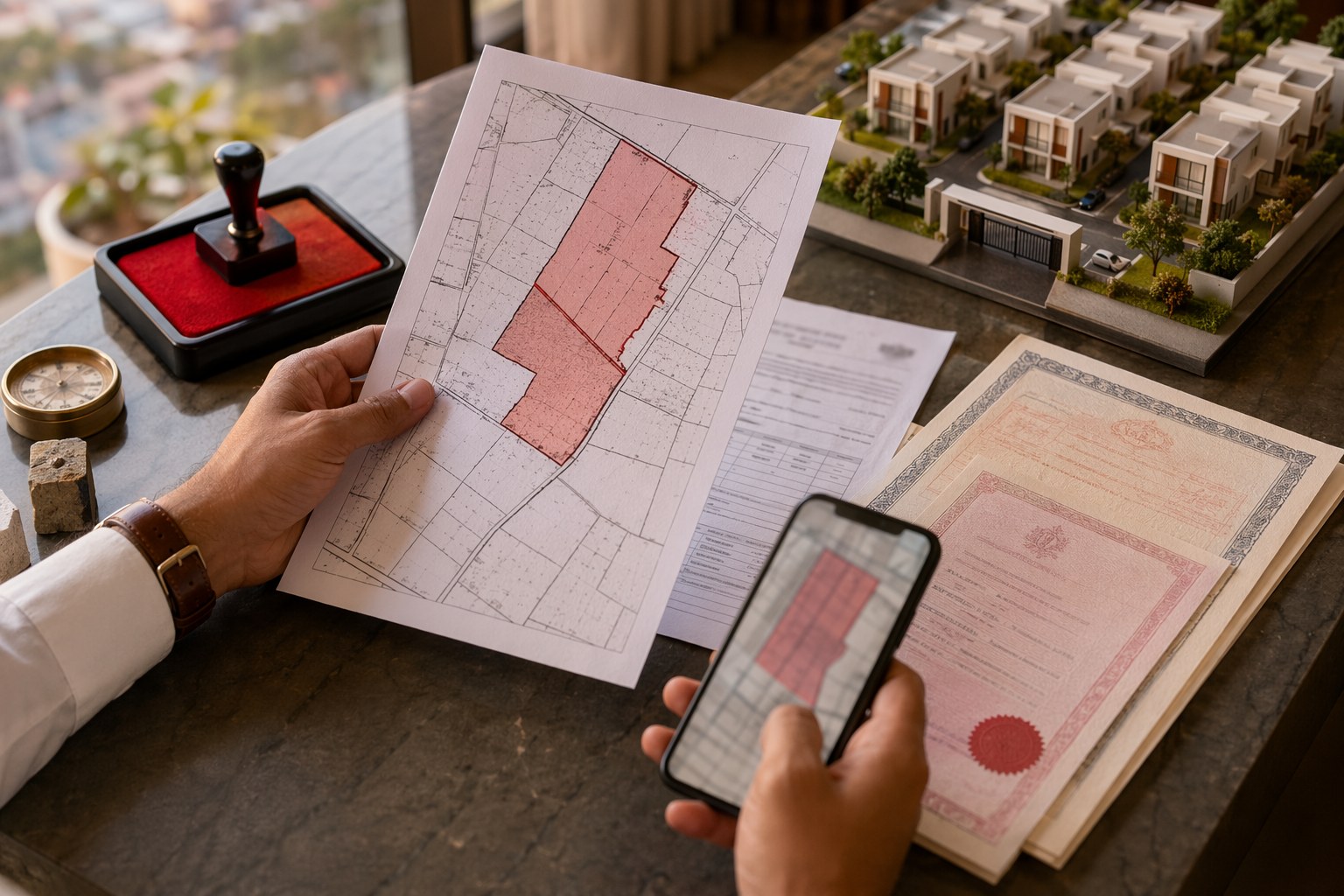
This is where a quick online check can save months. Start with the Section 22-A Prohibited Property Check, then verify the survey number through the Survey Number Finder. If the parcel is already transacted earlier, pull the transaction trail using the Encumbrance Certificate Search or the EC Analyzer.
Telangana Rail Station Redevelopment and the land parcels likely to face scrutiny
The redevelopment conversation usually focuses on buildings, passenger facilities and commercial space. On the ground, the first title risk often sits outside the platform area. Access roads, parking and lease parcels are the three buckets where 22-A checks should be treated as compulsory.
| Land bucket | Typical issue near stations | What to verify first |
|---|---|---|
| Access roads | Old road margins, municipal handover gaps, private strips, nala edges or revenue land confusion | Survey number, village map, road width and 22-A status |
| Parking areas | Temporary possession, mixed ownership, old lease claims or government land entries | Pahani, Dharani status, EC, SRO record and prohibited list |
| Lease parcels | Commercial sub-lease terms, title objections, pending charges or unclear boundaries | Parent title, EC, CERSAI charge and permitted land use |
In Secunderabad mandal, the land history around station-side roads is rarely simple. Around Nampally in Hyderabad mandal, old urban plots, institutional lands and road margins require careful document reading. Near Lingampalli and Hafeezpet in Serilingampally mandal, development pressure is higher, so even a small access issue can become expensive. Around Malkajgiri and Sanathnagar, old layouts and railway-side industrial pockets need separate checks at SRO and revenue levels.
What the 3,076,153 prohibited entries mean for buyers and developers
The figure of 3,076,153 prohibited property entries does not mean every railway-side plot is unsafe. It means the risk pool is large enough that nobody should depend only on verbal assurances from brokers, contractors or local caretakers. A parcel may look vacant and usable, but the registration system may still flag it.
For a buyer near a proposed station improvement zone, the practical question is not, “Will rates rise?” The first question should be, “Can this property be registered without a 22-A objection?” If the answer is unclear, appreciation talk is only noise.
We have seen this pattern in Hyderabad’s transport corridors earlier. Once an area gets infrastructure attention, enquiries rise. Then sellers start quoting based on future potential. But when the buyer’s advocate checks EC, pahani, Dharani and SRO records, problems surface. Sometimes it is a boundary mismatch. Sometimes the survey number is partly prohibited. Sometimes the land is clean but the approach road is not.
That last point matters. A plot may have a clear sale deed, but if the only practical access crosses a disputed or prohibited strip, banks and serious buyers will hesitate.
Checks to run before buying near a redeveloping railway station
If you are evaluating property near Secunderabad, Kacheguda, Nampally, Begumpet, Malkajgiri, Lingampalli or Falaknuma, do not start with the brochure. Start with the land record.
- Check the exact survey number: Use village, mandal and survey details. Do not rely only on a door number or Google pin.
- Run a 22-A search: Confirm whether the land appears in the prohibited property list.
- Pull EC: Look for past sale deeds, mortgages, court attachments and unusual transaction gaps.
- Check SRO jurisdiction: Use Find Your SRO Office before document verification.
- Verify market value: Ready reckoner or guideline value should be checked through Market Value / Guideline Value Search before negotiating.
- Check road access: For plots near station approach roads, use Road Width Check and confirm on ground.
- Review land use: Use Land Use Zone Finder if the parcel is being pitched for commercial use.
Rates around stations can move differently from normal residential streets. But without current ready reckoner data and parcel-level title clarity, quoting a rate is risky. A corner plot near a station approach may command interest, while a similarly placed plot with a 22-A tag or unclear access may struggle even at a discount.
What officials and project teams should document early
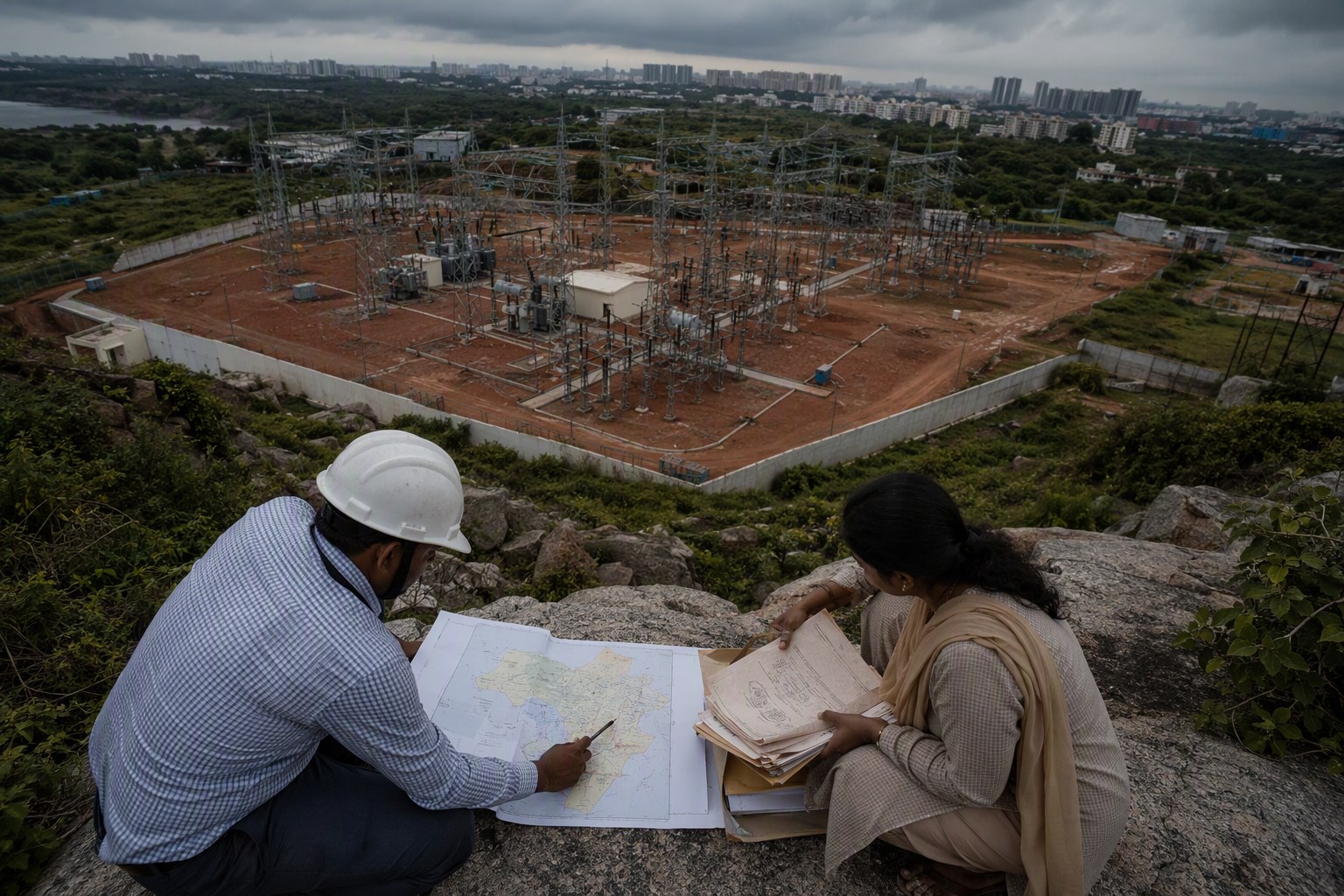
For public agencies, railway-linked contractors and private development partners, early documentation will reduce disputes. The field team should map all access roads, parking pockets, temporary construction areas and lease blocks against survey numbers. Revenue records, municipal records and SRO records should be matched before possession-related steps.
Our view is straightforward: station redevelopment should not wait for a registration shock. If a parcel is needed for access, parking or commercial use, screen it for 22-A before money, material or manpower is committed.
Project teams should keep a parcel register with village name, mandal, survey number, extent, present possession, revenue classification, SRO jurisdiction, EC status, 22-A status and site photos. For urban station zones, this register should be updated whenever there is a change in road alignment, entry gate location or parking design.
Landowners near station corridors should also track changes. The Property Change Tracker can help owners monitor property-related changes. For buyers who want one place to begin, the Property Verification Tool is a practical starting point.
Telangana Rail Station Redevelopment: impact on Hyderabad property decisions
Telangana Rail Station Redevelopment can improve convenience and commercial activity around important transport nodes. That does not automatically make every nearby property a safe purchase. In Hyderabad, land value and land legality must be read together.
For a flat buyer, the concern may be whether the project has approvals and RERA registration. In that case, check the project through RERA Project Lookup. For an open plot buyer, the concern is more basic: survey number, 22-A status, EC, land use, road access and SRO records. For a commercial investor, lease rights and permitted usage must be checked before signing.
The sensible approach is not to avoid station-area properties. Some of these locations may remain strong because transport access is a real advantage. The sensible approach is to check title earlier, negotiate with documents in hand, and avoid parcels where access or registration is uncertain.
Frequently Asked Questions
What is the link between Telangana Rail Station Redevelopment and Section 22-A?
Redevelopment may require land for access roads, parking, temporary work areas and lease parcels. If any of these parcels fall under prohibited property entries, registration or possession-related work can face delays.
How many prohibited property entries are there in Telangana?
As per latest IGRS data used by Verified.RealEstate, Telangana has 3,076,153 prohibited property entries under the Section 22-A database.
Should I buy property near a redeveloping railway station in Hyderabad?
You can consider it, but only after checking survey number, EC, 22-A status, land use, road access and SRO records. Do not depend only on future appreciation claims.
Which records should I check before buying near Secunderabad, Nampally or Kacheguda station?
Check the sale deed, EC, pahani where applicable, Dharani status, SRO jurisdiction, guideline value, land use and Section 22-A prohibited property status.
Can a clear plot still have an access problem?
Yes. The plot may have clean title, but the approach road or access strip may have a dispute, government classification or 22-A issue. That is why access verification is essential.