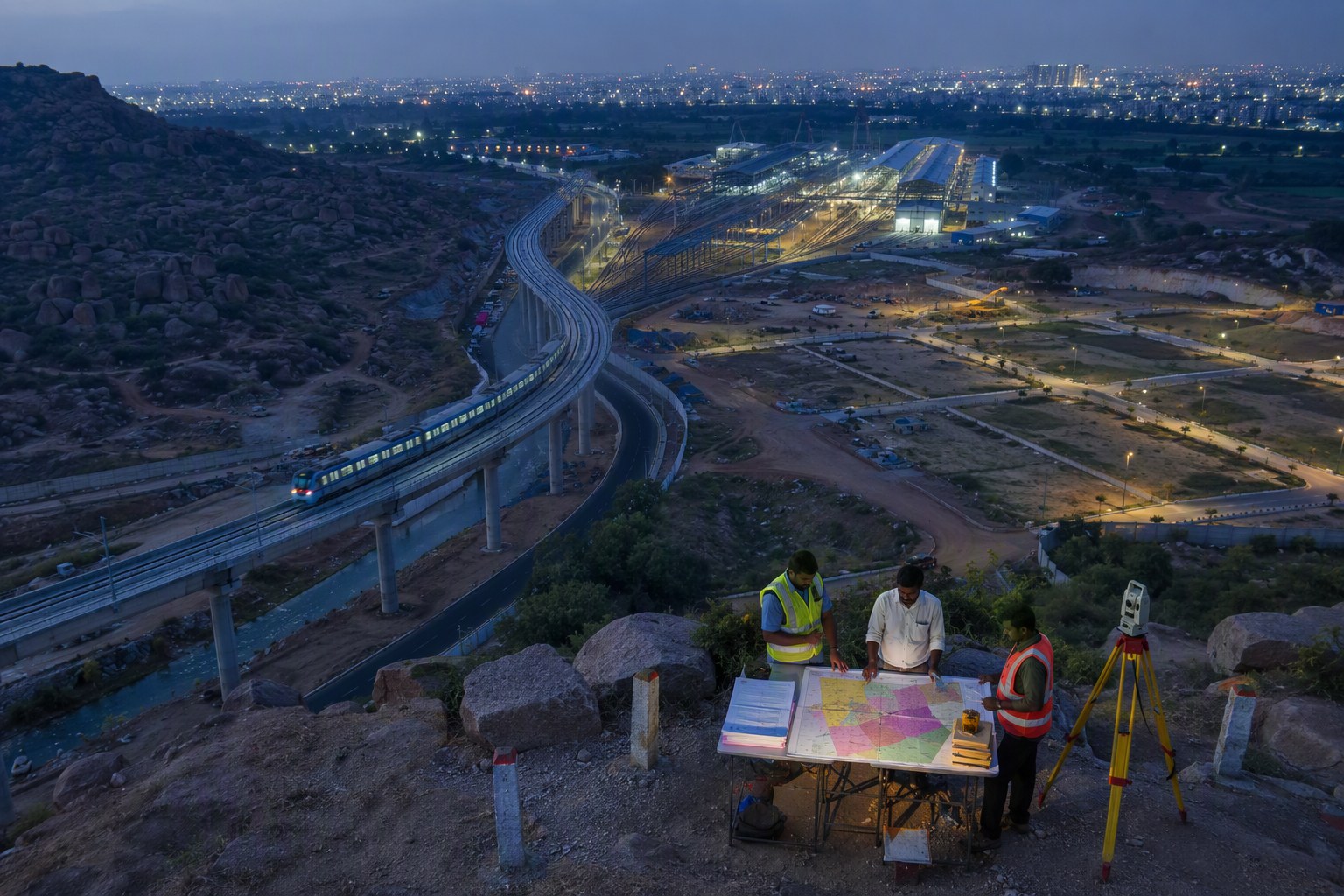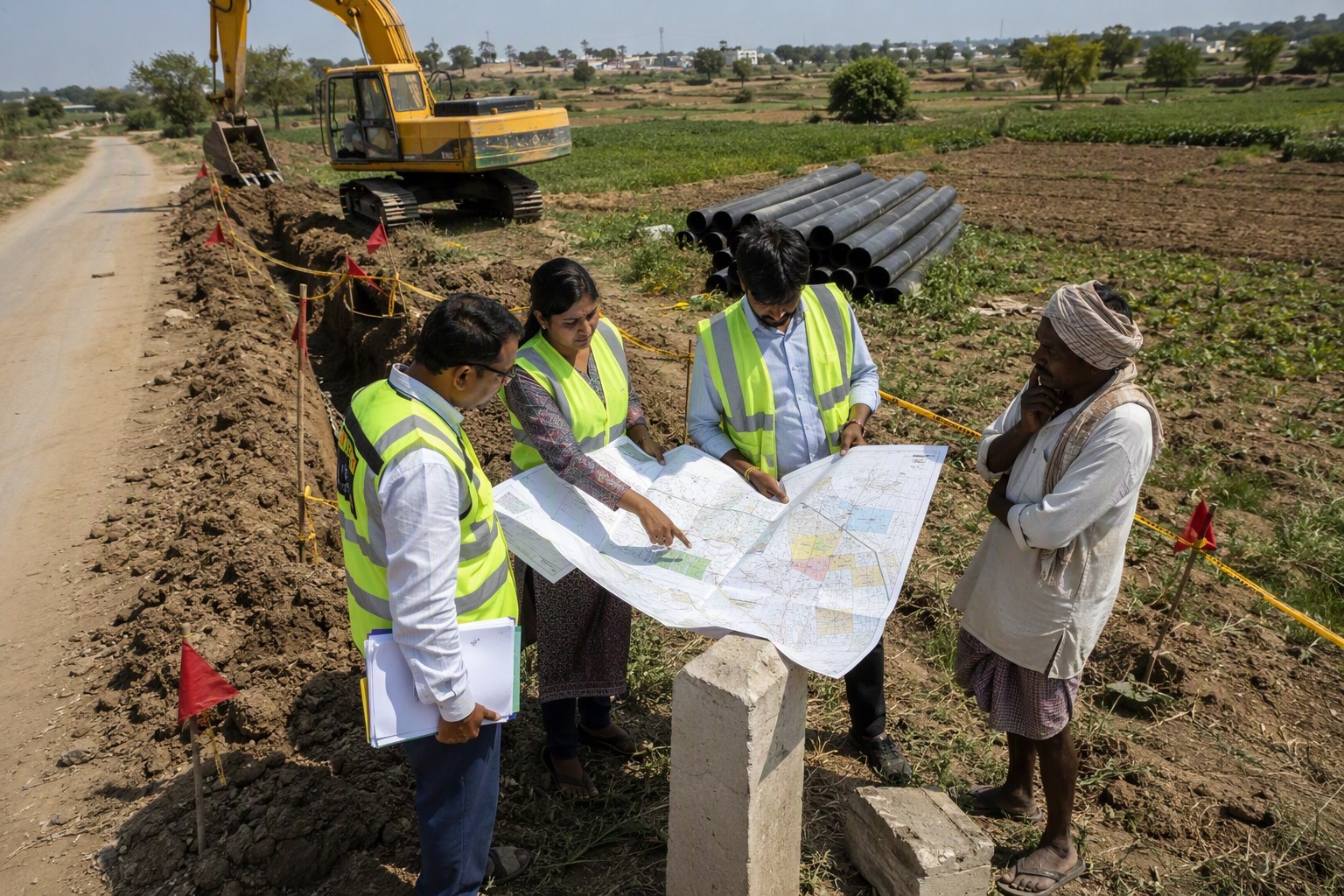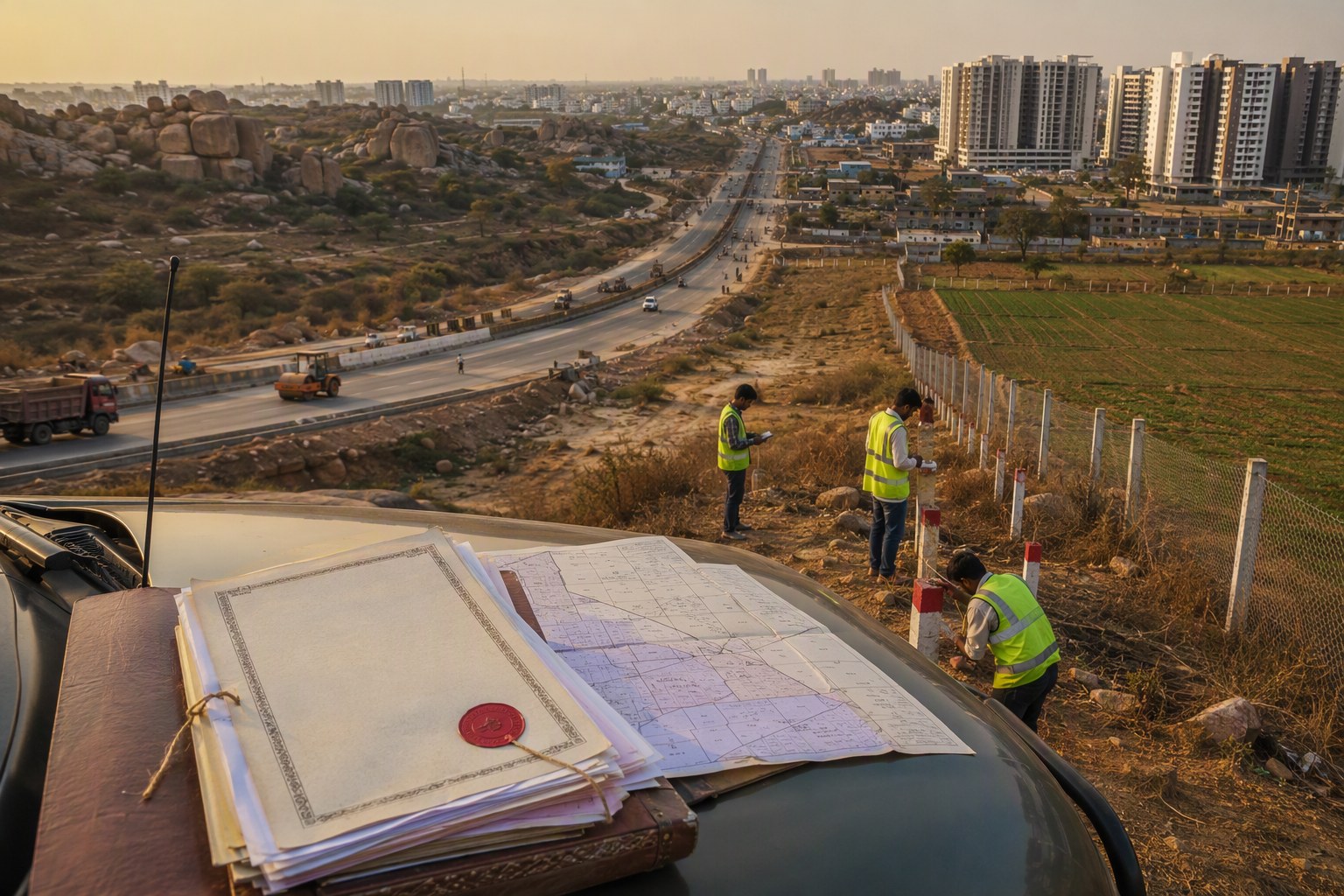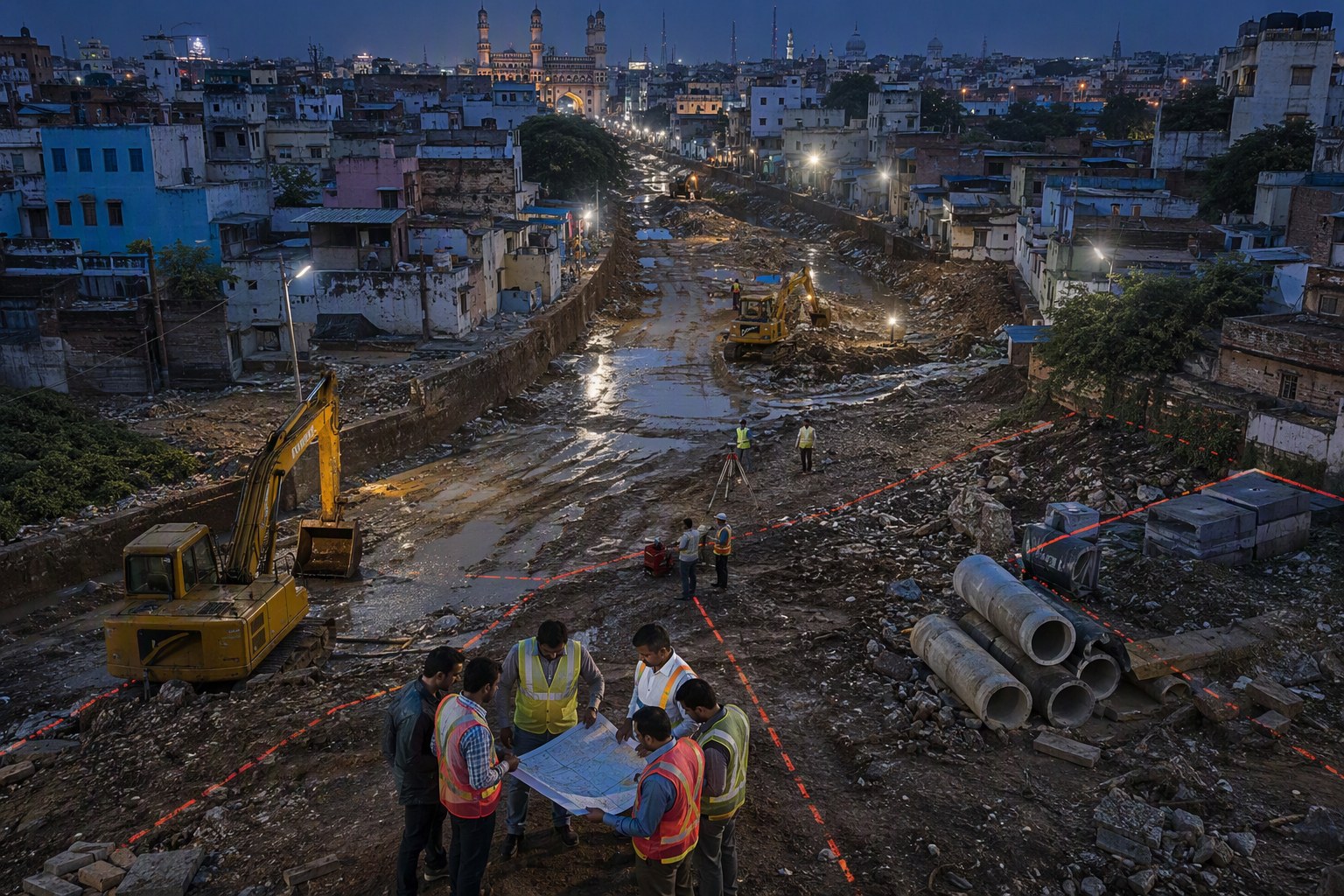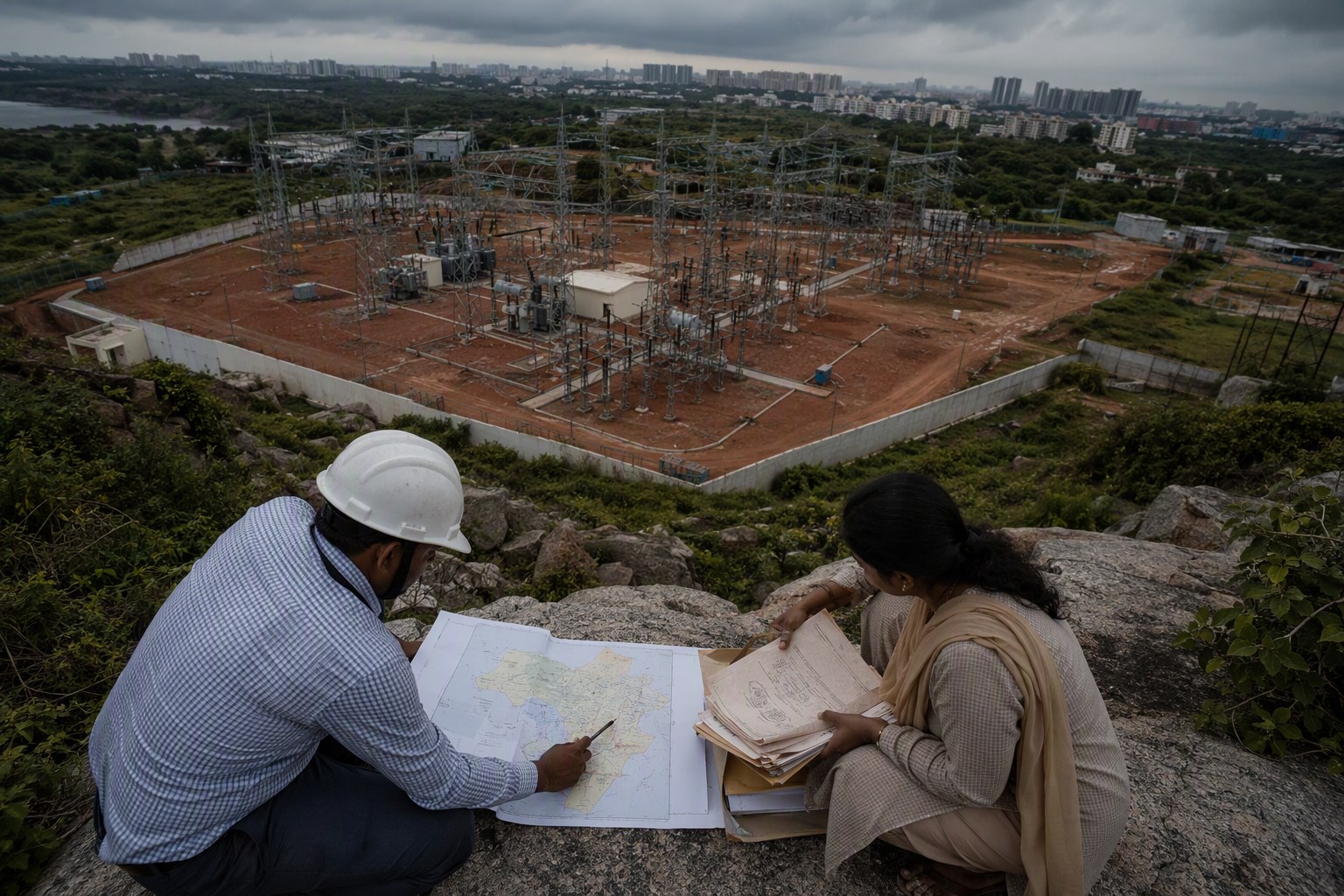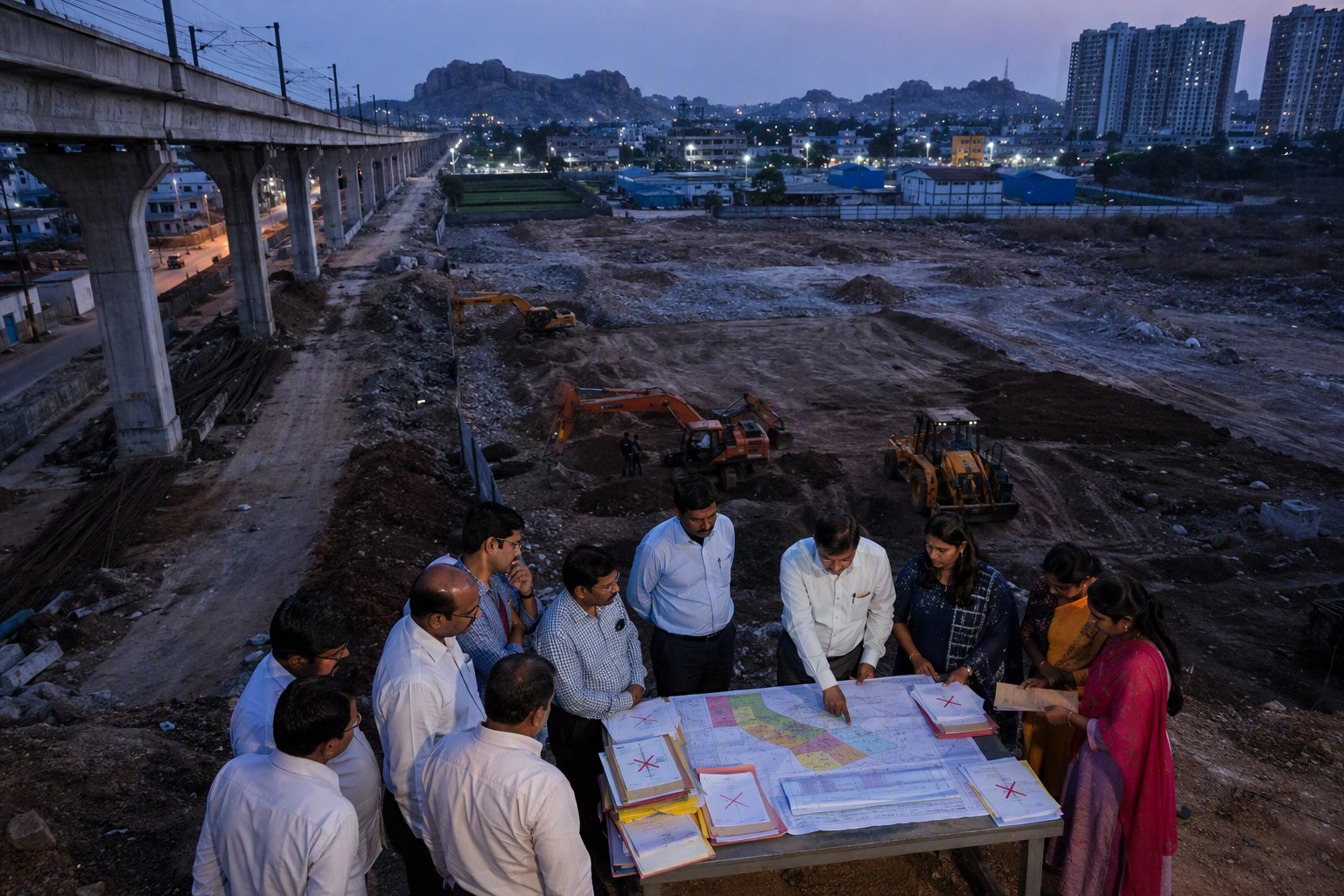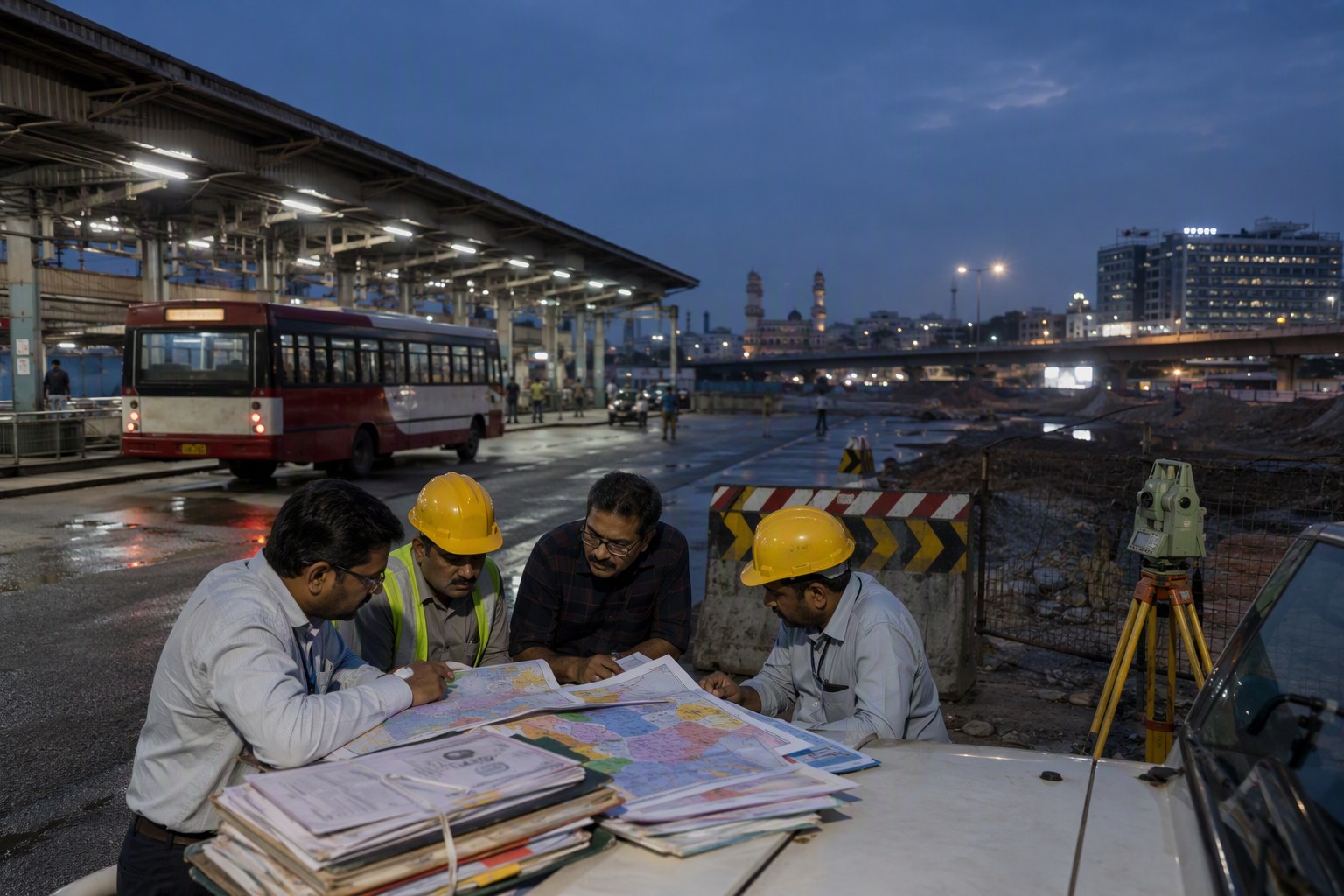
Telangana Intercity Bus Depot Revamp proposals, especially for intercity depots, terminals, parking yards and passenger facilities, may have to begin with one basic question: is the land clean for registration and development? As per latest IGRS data available with Verified.RealEstate, Telangana has 3,076,153 prohibited property records under Section 22-A. That is not a small background risk for public infrastructure teams, contractors, landowners near depot zones, or private players hoping to build around new transport nodes.
The immediate takeaway is simple. Before any depot expansion, bus terminal upgrade, access road widening, commercial block, fuel station, workshop yard or staff facility is planned on fresh land, the concerned department should run an early 22-A check at survey-number level. Waiting till agreement stage or SRO registration stage is poor practice. By then, designs, estimates and local expectations are already built up.
Telangana Intercity Bus Depot Revamp: why 22-A should come first
Section 22-A matters because it deals with properties that are prohibited from registration. In practical Telangana real estate language, this can include land where the registering office is not permitted to complete a sale, transfer or other registration due to government restrictions or entries in official records. For a private buyer, it can block a transaction. For a public transport project, it can delay land handover, tender execution and even utility shifting.
We’ve seen this issue in many land matters across Hyderabad’s growth belts. People look at road access, frontage and location first. Only later they check pahani, Dharani status, old link documents, EC and SRO remarks. For a bus depot project, that sequence has to change. The legal status of the survey number should come before engineering drawings.
For quick pre-checking, landowners and consultants can use our Section 22-A Prohibited Property Check. It should be paired with the Survey Number Finder where the exact survey number or sub-division is unclear, and the Find Your SRO Office tool to identify the registration office jurisdiction.
Where Telangana Intercity Bus Depot Revamp risks can show up
Depot and terminal works are not only about the main bus stand building. The land requirement often comes from many connected pieces: approach roads, lay-bys, bus parking, workshop sheds, electric charging areas, passenger circulation space, drainage lines, staff quarters, police posts, ticketing counters and commercial frontage. Even a small disputed or prohibited parcel can hold up a larger layout.
In Hyderabad and its surrounding districts, this becomes more sensitive around busy corridors such as Miyapur, Kukatpally, Uppal, LB Nagar, Aramghar, Shamshabad, Kompally, Hayathnagar and Gachibowli. Mandals like Serilingampally, Rajendranagar, Hayathnagar, Gandipet, Quthbullapur, Medchal and Uppal already see heavy land pressure because transport access and real estate demand move together.
My view is that any intercity depot revamp file should carry a land-vetting annexure right at concept stage. It should not be treated as a routine legal formality after the technical team has finished the layout. In Telangana, one wrong assumption on land classification can become expensive in time, even if no one intended any mistake.
What the 3,076,153 prohibited property records mean for depot planning
The number 3,076,153 should not be read as a claim that every transport-linked parcel is problematic. It simply tells us that the prohibited property database is large enough to deserve early attention. Telangana has a long record history: old revenue entries, assigned land references, endowment and wakf claims, government land notings, court-related restrictions and classification changes across decades.
For public infrastructure, the safest route is survey-wise verification. A depot plan that says “government land available” is not enough. The team should check whether the same survey number appears in 22-A records, whether the extent matches ground possession, whether the pahani and Dharani records speak the same language, and whether the relevant SRO has any restriction at registration level.
For adjoining private owners, the impact is different. A proposed terminal often increases enquiry for small plots, showrooms, lodges, food outlets and parking businesses nearby. But before buying anything on such corridors, buyers should run an EC through Encumbrance Certificate Search, verify guideline value through Market Value / Guideline Value Search, and then cross-check ownership changes with Property Change Tracker.
How an early land-vetting workflow should look
A proper land workflow for Telangana depot and terminal works can be kept simple. The point is not to slow the project. It is to avoid rework after the public announcement.
| Stage | What should be checked | Why it matters |
|---|---|---|
| Survey identification | Village, mandal, survey number, sub-division and extent | Wrong survey mapping leads to wrong legal opinion |
| Revenue record check | Pahani, Dharani status and land classification | Shows how the land is recorded today |
| 22-A screening | Prohibited property entry at survey level | Flags registration restriction early |
| SRO verification | Jurisdiction and registration remarks | Confirms what the registering office may accept or reject |
| EC and link review | Past transactions and encumbrances | Helps detect mortgages, transfers and title gaps |
| Planning fit | Land use, road width and access | Connects legal status with buildability |
For planning-side checks, the Land Use Zone Finder and Road Width Check are useful starting points. If a depot-related commercial block is later proposed, the FSI/FAR Calculator can help estimate development potential without guessing.
Telangana Intercity Bus Depot Revamp and the private real estate reaction
Whenever a transport facility improves, the first real estate reaction is predictable. Owners near the approach road hold back. Brokers start quoting future potential. Small builders ask about mixed-use activity. Tenants look for food, repair, lodge and travel office spaces. This happens around active bus nodes in Hyderabad and also in district towns.
But transport-led demand should not make buyers careless. A plot near a proposed bus terminal is not automatically a clean plot. In our experience, the most common mistakes are buying based on location talk, skipping EC, not checking 22-A, assuming all patta land is safe, and ignoring the SRO boundary. Ready reckoner or guideline value also should not be confused with title approval. It is a valuation reference, not a title certificate.
For depot-linked land, the first due diligence question should be: “Can this survey number legally move through registration and development approvals?” Only after that should price and frontage be discussed.
Developers considering passenger-facing commercial space near terminals should also watch RERA requirements where applicable. The RERA Project Lookup is useful for checking registered projects, while the Stamp Duty Calculator can help estimate registration cost once title and land status are clear.
What government teams, owners and buyers should do now
Government teams handling intercity bus depot upgrades should build a standard 22-A certificate trail into the file. That means the legal team, revenue team, engineering wing and registration-side verification should speak to each other before tender packaging. It is better to change a layout early than to face a land objection after contractor mobilisation.
Landowners near likely depot zones should keep their documents ready: pattadar passbook where applicable, pahani copies, old registered deeds, EC, tax receipts, mutation records and any court or family settlement papers. If there is a mismatch in name, extent or survey sub-division, correct it before negotiations start. Once a public project enters the area, document gaps become harder to manage.
Buyers and investors should treat depot news as a trigger for verification, not a trigger for rushing. Check 22-A, check EC, check SRO, check land use, and only then discuss rate. That discipline is boring, but it saves lakhs and years of stress.
Frequently Asked Questions
Why is 22-A vetting relevant for Telangana intercity bus depot revamp works?
Because Section 22-A records identify properties that may be prohibited from registration. If depot land, access land or adjoining project land falls under such restriction, approvals and transactions can get delayed.
How many prohibited property records are currently in the Telangana database?
As per latest IGRS data available with Verified.RealEstate, there are 3,076,153 prohibited property records in Telangana.
Should buyers near proposed bus terminal areas check 22-A before purchase?
Yes. Buyers should check 22-A status, EC, SRO jurisdiction, Dharani or revenue records and land use before paying advance for land near transport corridors.
Does guideline value prove that a land parcel has clear title?
No. Guideline value or ready reckoner value is mainly a valuation reference for registration. It does not prove ownership, marketability or freedom from 22-A restrictions.
Which tools can help with first-level depot-area land checks?
Start with the Section 22-A Prohibited Property Check, Survey Number Finder, EC Search, Find Your SRO Office, Guideline Value Search and Land Use Zone Finder.