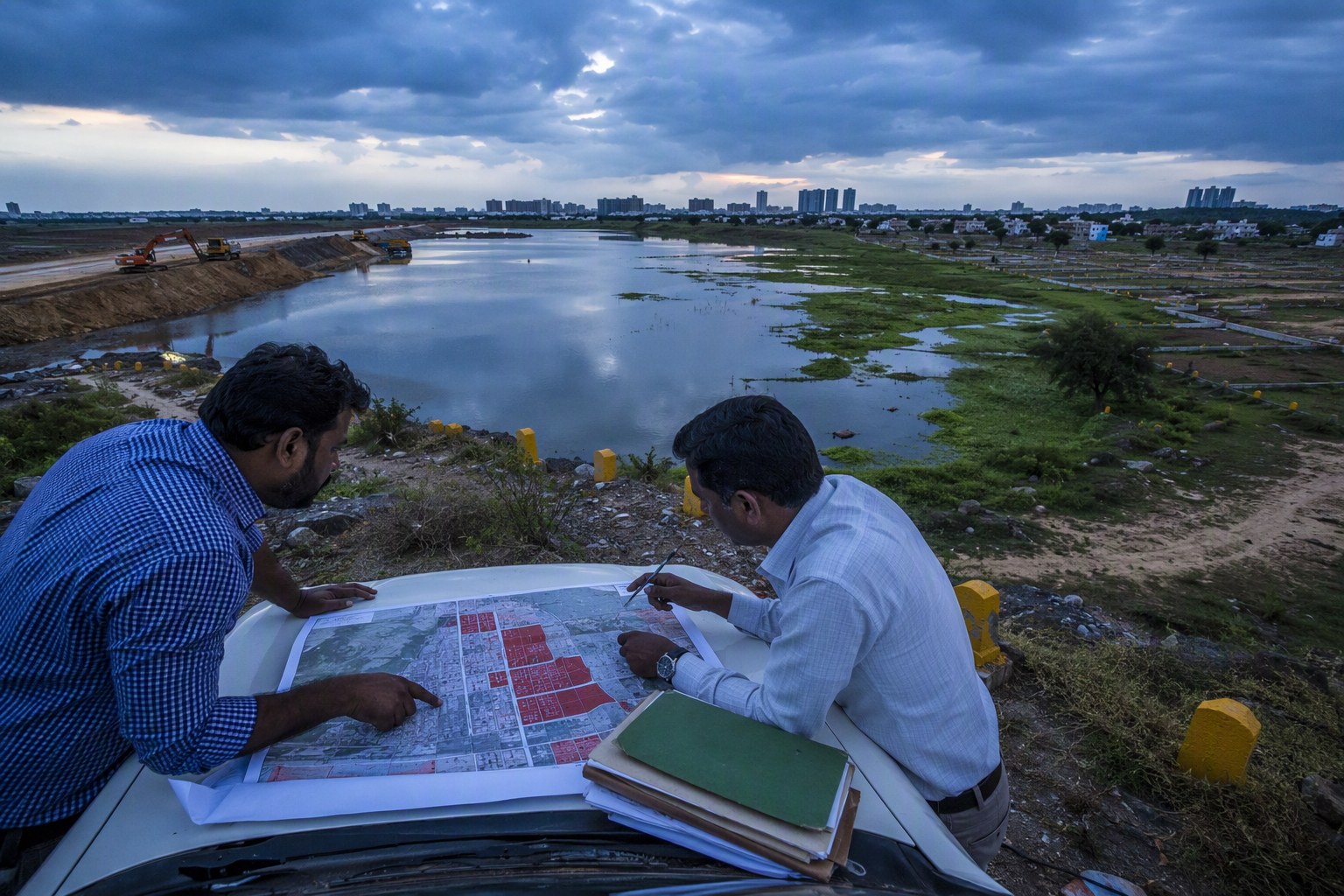
Telangana Lake Revival Tenders May Put 22-A Vetting First
Telangana Lake Revival Tenders May Put 22-A Vetting First as civic agencies and contractors face a very practical problem: lake works can get delayed if bund strengthening, fencing, walking tracks, inlet drains, STP-linked works or eco-restoration activity touches land listed under Section 22-A prohibited properties. In Telangana, as per latest IGRS data, the prohibited properties database contains 3,076,153 records. That number alone tells us why early screening is not a small clerical step. It can decide whether a public work moves or gets stuck at file level.
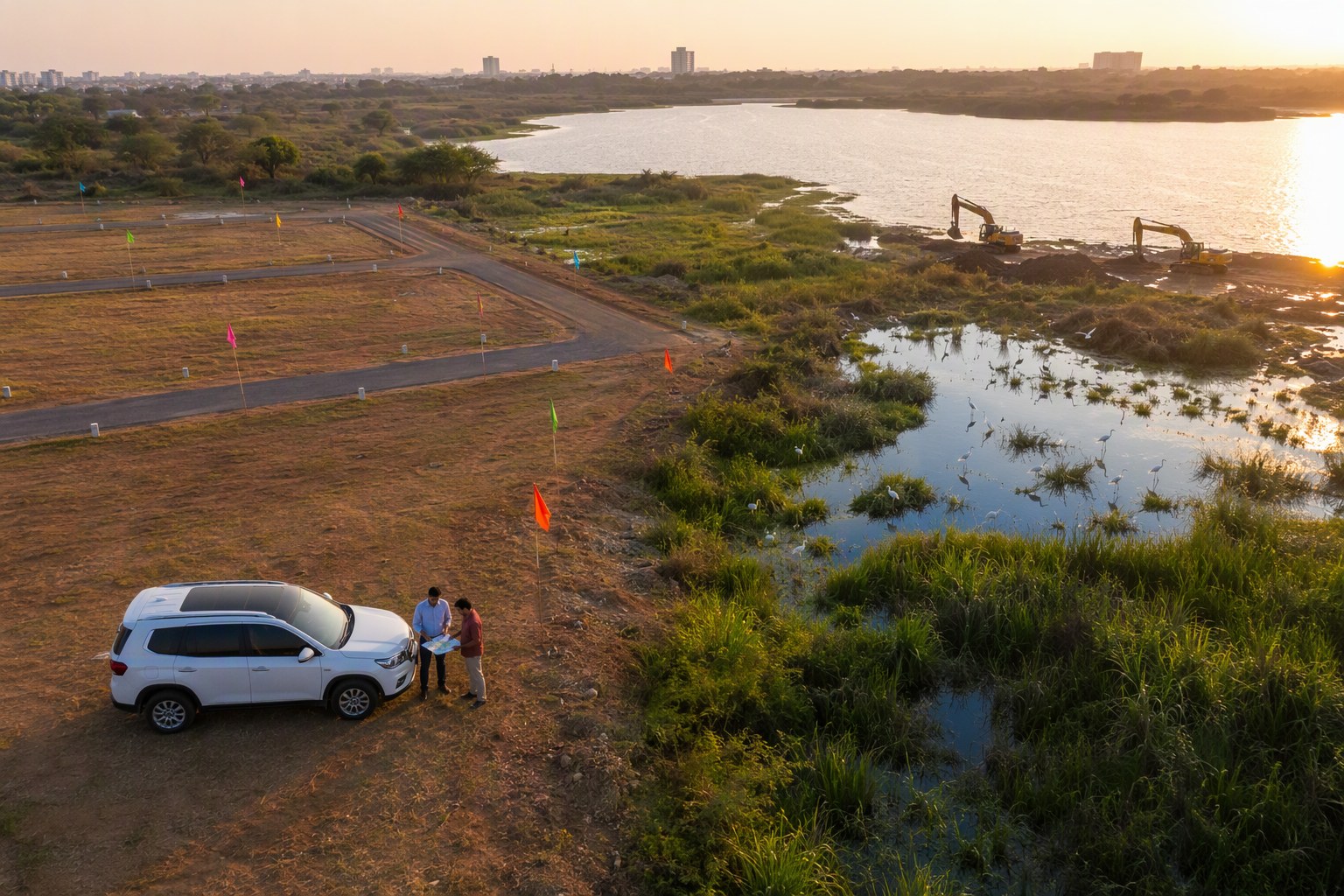
For Hyderabad and its surrounding urban belt, this matters most around lakes where boundaries are messy on ground and clean on paper only after proper verification. Hussain Sagar, Durgam Cheruvu, Neknampur Cheruvu, Nallagandla lake edges, Miyapur-side tanks, Ameenpur water bodies, Gandipet catchment areas and several smaller cheruvus in Serilingampally, Rajendranagar, Gandipet, Medchal and Shamshabad mandals all sit in a property environment where survey numbers, FTL markings, buffer zones, assigned lands and government land entries may overlap.
Our view is simple: any lake rejuvenation tender should first ask, “Are all work parcels clear from 22-A restrictions?” before asking for machinery, timelines and beautification drawings.
Why Telangana Lake Revival Tenders Need 22-A Checks Before Award
Section 22-A entries are not just buyer-seller headaches. They can affect public projects also, particularly when the proposed work needs access, fencing, excavation, boundary demarcation, pathway laying or utility lines through land parcels whose status is not clean. If a tender is awarded first and land status is checked later, the contractor may mobilise, local disputes may begin, and the department may have to pause work.
We have seen this pattern in many land-linked works across Telangana. The DPR says one thing. The village map says another. The pahani has one classification. Dharani or IGRS entries throw up a restriction. On ground, locals may call it lake land, private patta land, shikam, government land or assigned land depending on which decade they remember. This is exactly why 22-A vetting must shift to the first stage of tender preparation.
For lake revival, the risk is sharper because water bodies rarely have neat urban plot-style boundaries. Old tank beds, surplus channels, nalas and bund margins may pass through survey numbers that have changed hands, been subdivided, or come under government protection. If the land is already in the prohibited properties list, any civil work that assumes free access can become a legal and administrative problem.
Telangana Lake Revival Tenders May Put 22-A Vetting First For These Work Items
The 22-A check should not be limited to the lake bed alone. It should cover every parcel connected with the work package. In Hyderabad’s lake belt, many tenders now combine ecology, recreation and drainage. That means more touchpoints with land records.
- FTL and buffer zone fencing: Fencing often needs accurate survey number demarcation, especially near built-up pockets.
- Bund strengthening: Bund portions may pass through old government or shikam land entries.
- Walking tracks and cycling paths: These are small works physically, but legally sensitive if the alignment crosses restricted land.
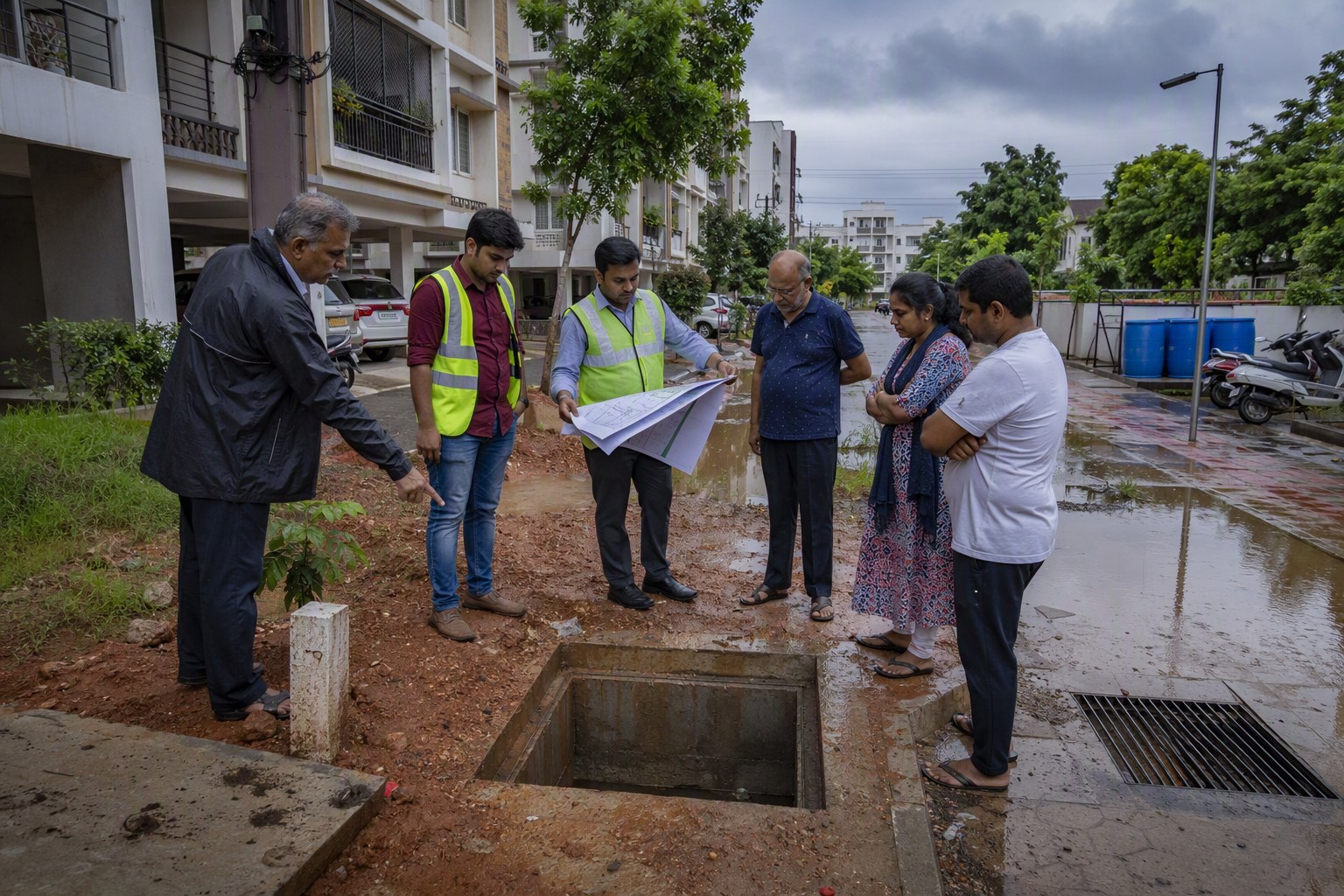
- Inlet and outlet drains: Nala connections can cut across multiple survey numbers and village boundaries.
- Wetland and plantation zones: Eco-restoration work may need clarity on custody and classification.
- Access roads for machinery: Temporary access also becomes controversial if it goes through private patta or prohibited land.
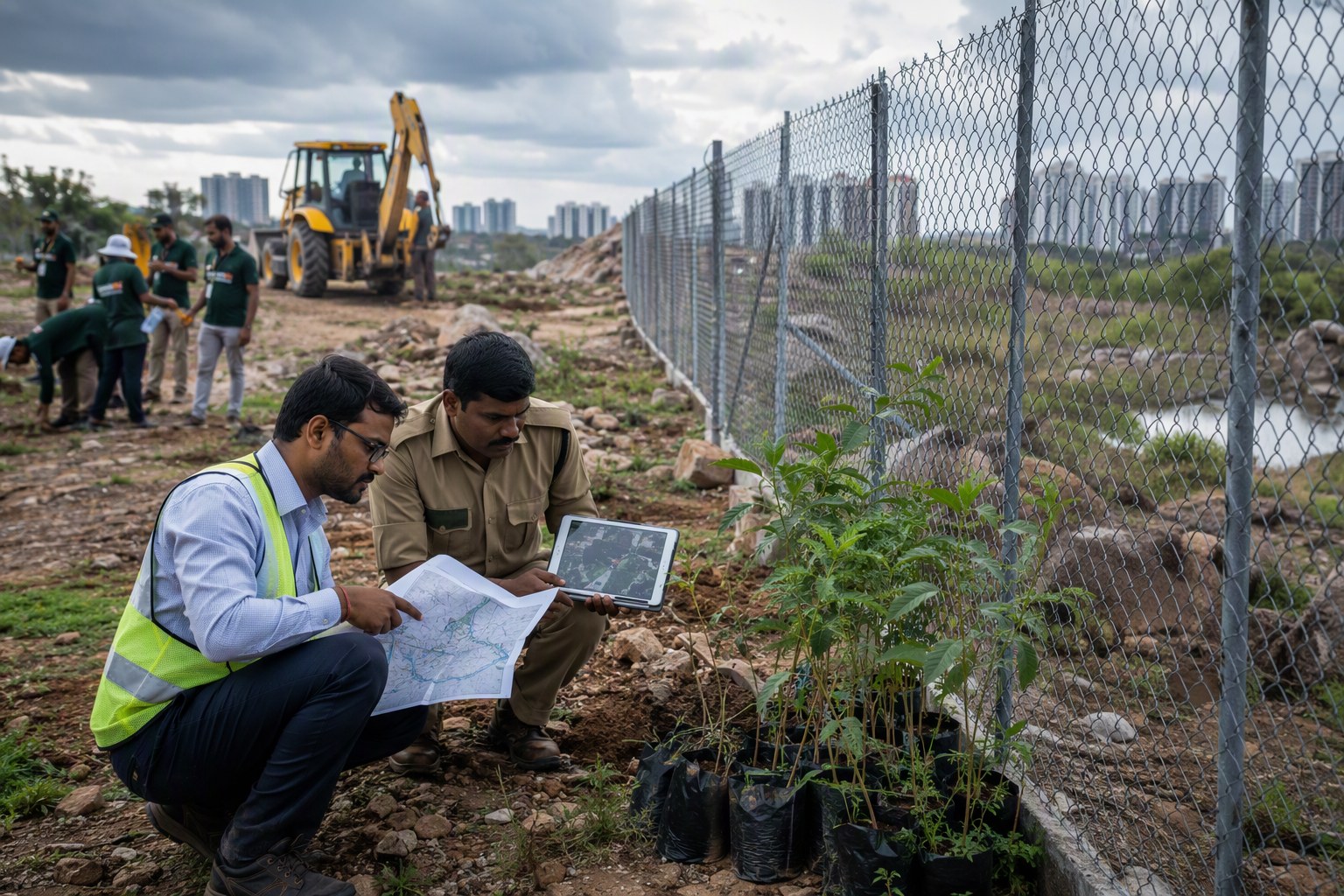
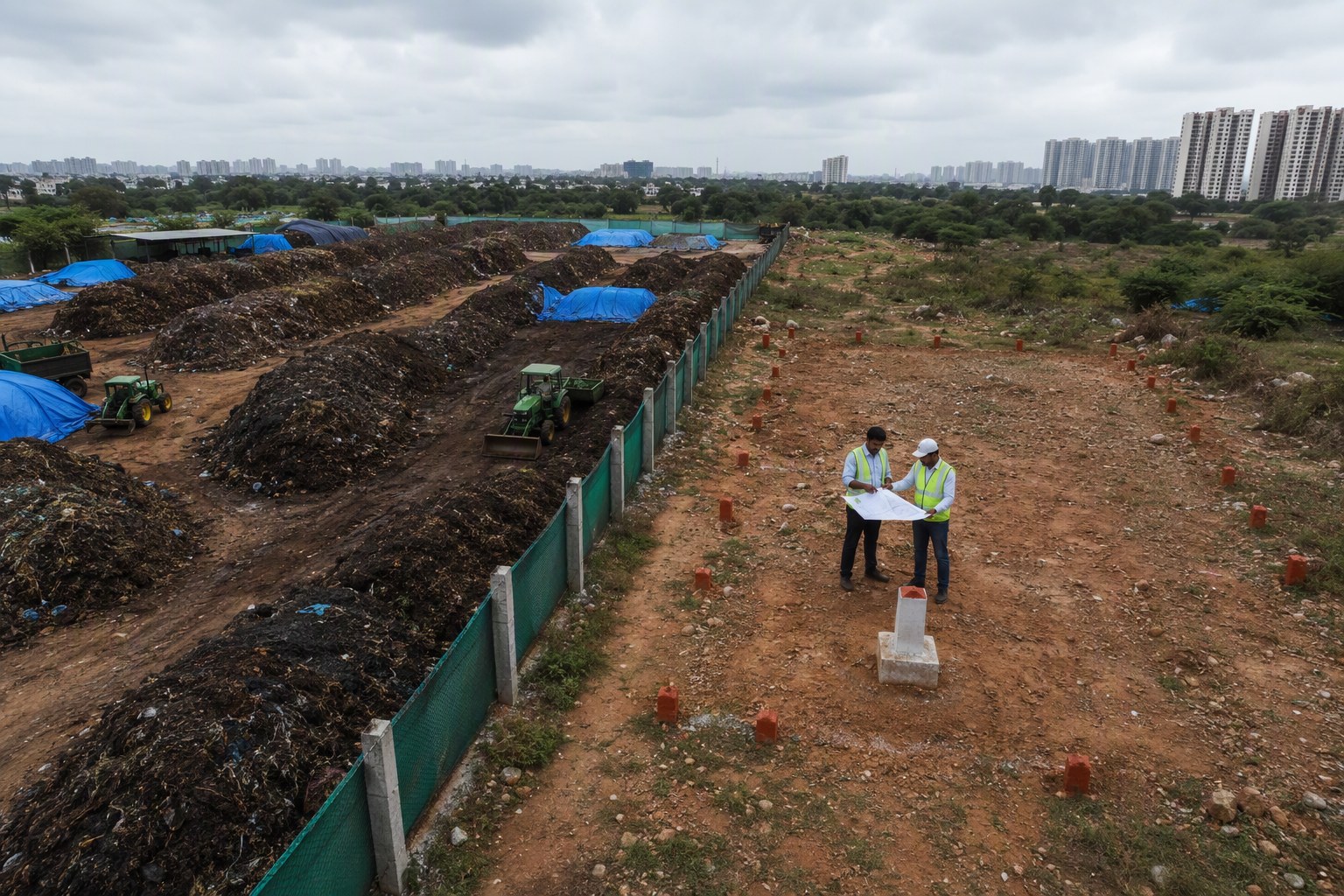
Before tendering, engineers and revenue teams should map each work component to survey numbers. A contractor cannot be expected to solve basic land status questions after award. That is the department’s job, and it has to be done before the tender reaches the market.
What A Practical 22-A Vetting Layer Should Look Like
A sensible tender process need not become slow. In fact, proper screening can save time later. The tender file should carry a land-status note for each survey number touched by the project. This note should mention the village, mandal, SRO jurisdiction, current classification, whether the parcel appears in 22-A records, and whether any EC or mutation history raises a red flag.
For citizens, contractors and consultants doing preliminary checks, these tools can help before formal government verification: Section 22-A Prohibited Property Check, Survey Number Finder, Encumbrance Certificate Search, and Find Your SRO Office. For nearby private landowners trying to understand land use around a water body, Land Use Zone Finder and Market Value / Guideline Value Search are useful starting points.
Formal clearance, of course, must come from the concerned government records and departments. A public-facing tool is not a substitute for official certification. But early checking reduces blind spots. It also helps contractors price the work better because they know whether access, barricading and permissions are clean or likely to be contested.
Suggested tender-stage checklist
| Stage | What should be checked | Why it matters |
|---|---|---|
| Pre-DPR | Lake boundary, FTL, buffer, nala and access survey numbers | Prevents design based on wrong land assumptions |
| Before tender notice | 22-A status, revenue classification, SRO jurisdiction | Flags prohibited or disputed parcels before bidding |
| Before work order | Departmental land handover note | Protects both agency and contractor |
| During execution | Change tracking for affected survey numbers | Reduces stoppage risk if records change or objections arise |
Hyderabad Lake Zones Where Land Record Discipline Matters
In the western corridor, Serilingampally mandal has several lake edges sitting close to high-value residential and commercial development. Areas such as Gachibowli, Kondapur, Nallagandla, Madhapur and Raidurg have seen intense pressure around water bodies. Even a small walking track or drain diversion can attract objections if the land record is unclear.
In Gandipet and Rajendranagar sides, the issue is slightly different. Catchment protection, approach roads, institutional land, old village records and private farm parcels often sit next to each other. Around Ameenpur and Miyapur, urban growth has moved very close to lakes and nalas. In Medchal and Shamshabad belts, village tanks may be part of larger infrastructure and layout conversations. In all these places, lake revival cannot be treated only as civil engineering. It is also land administration.
That is where 22-A verification becomes a governance tool. It tells the tendering authority whether the work parcel is clean for execution, whether another department’s NOC is needed, or whether the design itself must be modified. It also protects genuine private owners near lake boundaries, because the government file then has a recorded basis for where work is allowed.
What This Means For Contractors, Landowners And Residents
Contractors bidding for lake rejuvenation works should start asking for survey-number-wise land handover details. If the tender only gives a broad lake name and work description, the bidder is taking avoidable risk. Mobilising men and machinery without clarity can lead to local stoppages, police complaints, payment disputes and extension requests.
Landowners near lakes should check their own records before reacting to any work on ground. Keep sale deeds, pahani copies, EC, mutation details and any layout approvals ready. If your land is near a cheruvu, do not rely only on old compound walls or informal boundaries. Check the survey number, SRO and land classification. The Property Verification Tool and Property Change Tracker can help you organise preliminary checks.
Residents, meanwhile, should welcome clean lake revival, but also insist on lawful execution. Beautification without land clarity creates fresh disputes. Proper 22-A vetting can make lake restoration more transparent and reduce the usual confusion between environmental protection and property rights.
The Bigger Point: Lake Revival Needs Revenue Records, Not Just Renderings
Many lake projects are announced with attractive drawings: pathways, lighting, plantations, seating and viewing decks. Those visuals are useful, but they are not the foundation. The foundation is land status. If the survey numbers are wrong or prohibited entries are ignored, the project can suffer before the first phase is complete.
Telangana has already digitised large parts of land administration through Dharani and registration systems. The next logical step is to connect that discipline to civic and environmental tenders. With 3,076,153 prohibited property records in the state database as per latest IGRS data, no lake rejuvenation agency can say 22-A screening is a minor back-office formality.
Our reading is that early 22-A checks will become standard practice for serious lake revival tenders. It is fair to contractors, safer for departments, and better for residents who want lakes restored without years of land disputes. The work should begin with ecology, yes, but the file must begin with survey numbers.
Frequently Asked Questions
Why is Section 22-A relevant to Telangana lake revival tenders?
Section 22-A covers prohibited properties. If a lake work touches a survey number listed under 22-A, execution, registration-linked permissions or land handover can get delayed. Early checking reduces this risk.
Which lake work items need 22-A verification?
FTL fencing, bund strengthening, walking tracks, inlet and outlet drains, plantation zones, access roads and utility works should all be checked against survey numbers and land records.
Can contractors rely only on tender drawings for land clarity?
No. Tender drawings are not enough. Contractors should ask for survey-number-wise land status, SRO details, revenue classification and a clear land handover note before starting work.
How can landowners near Hyderabad lakes protect their records?
They should keep sale deeds, EC, pahani, mutation records and survey details ready. If work starts near their land, they should verify the exact survey number and classification before raising objections.
How many prohibited property records are listed in Telangana?
As per latest IGRS data available in our database, Telangana has 3,076,153 prohibited property records under Section 22-A.