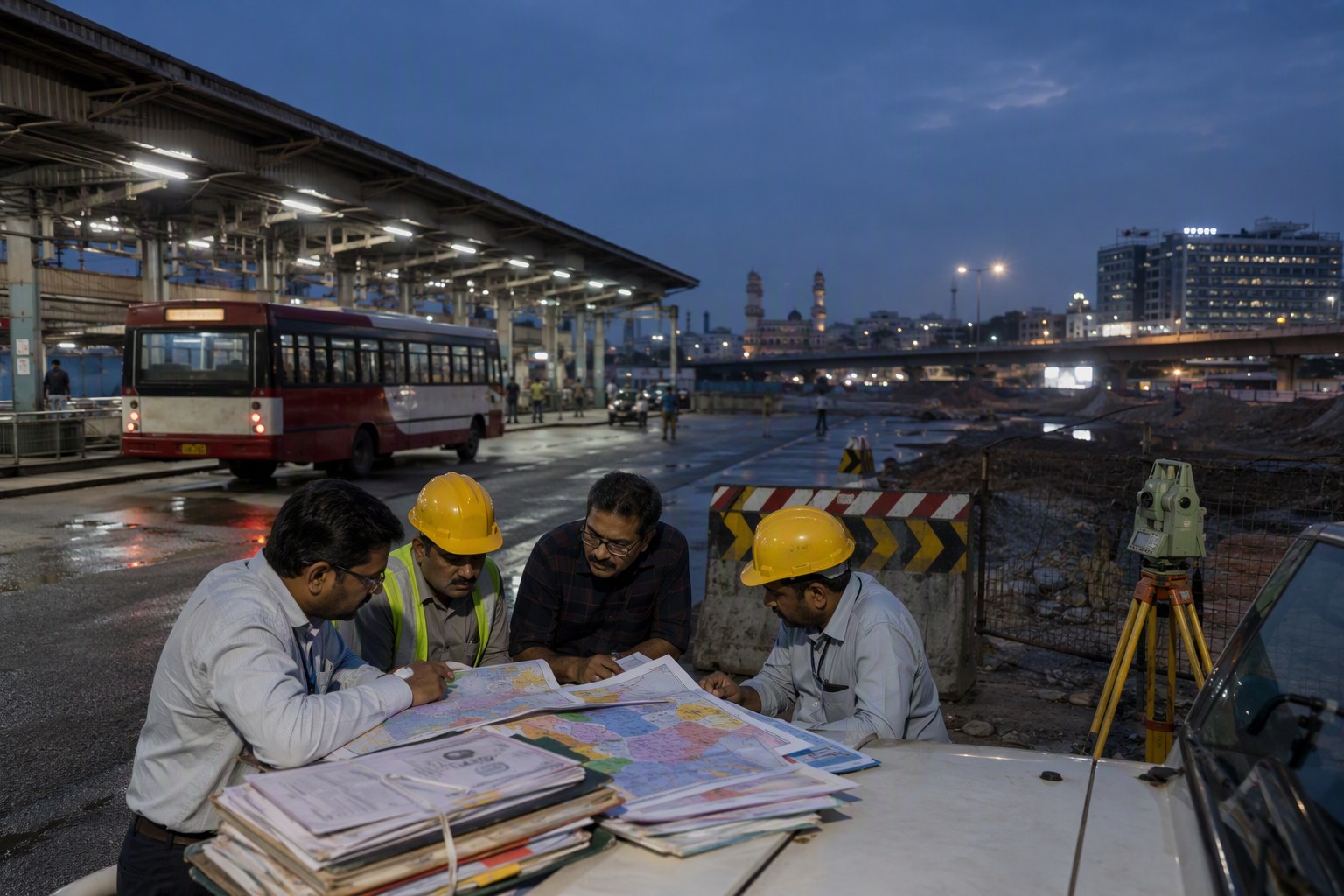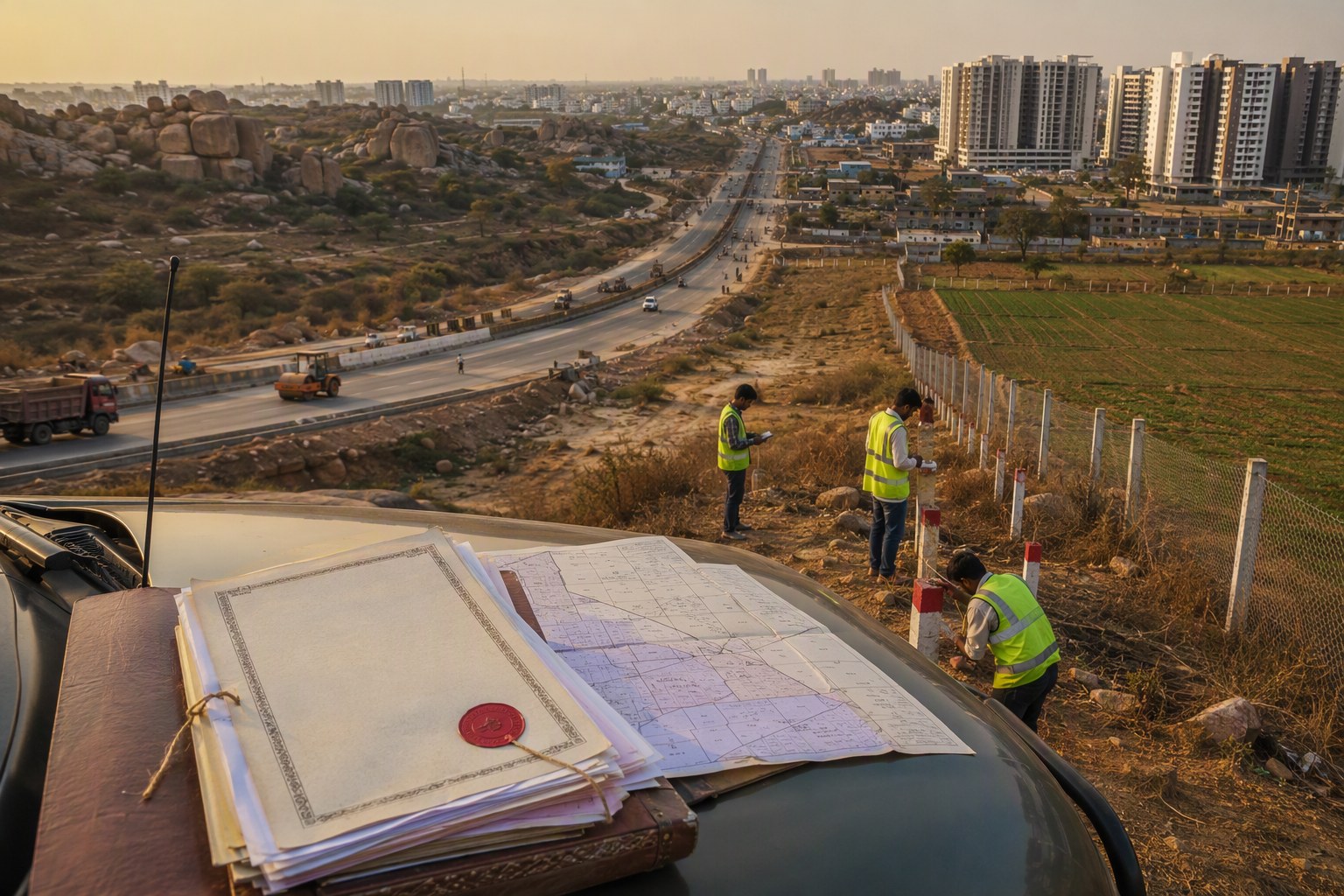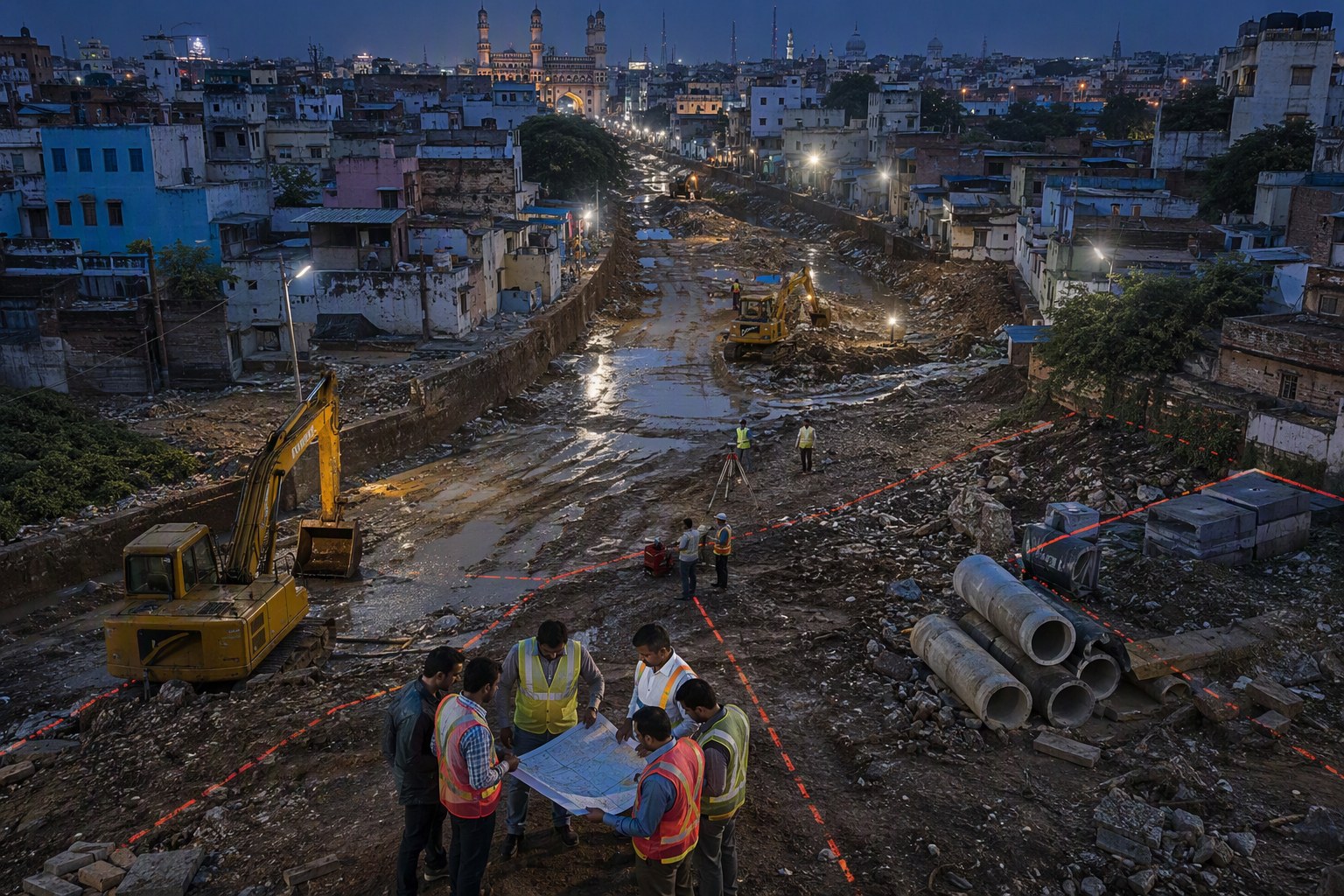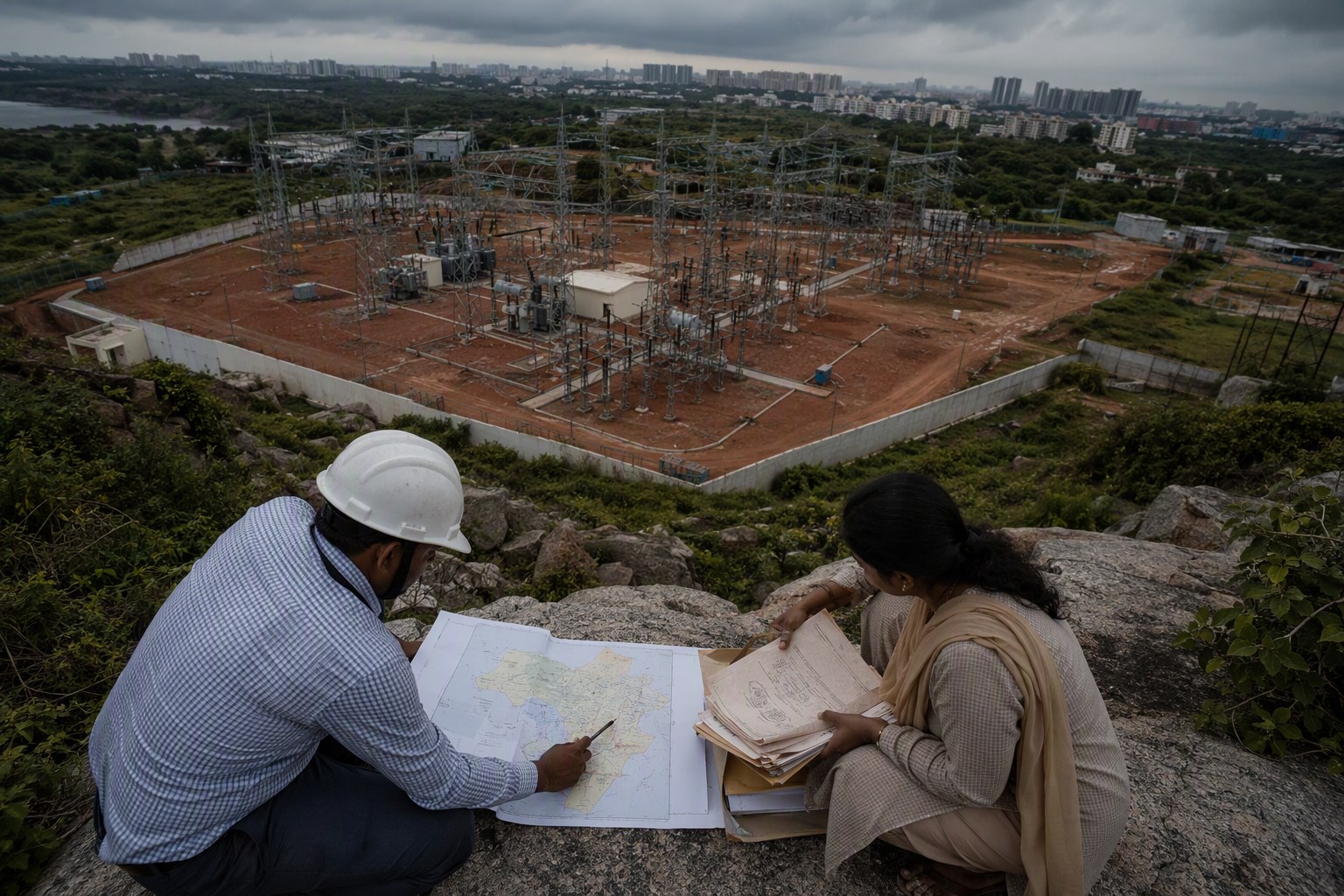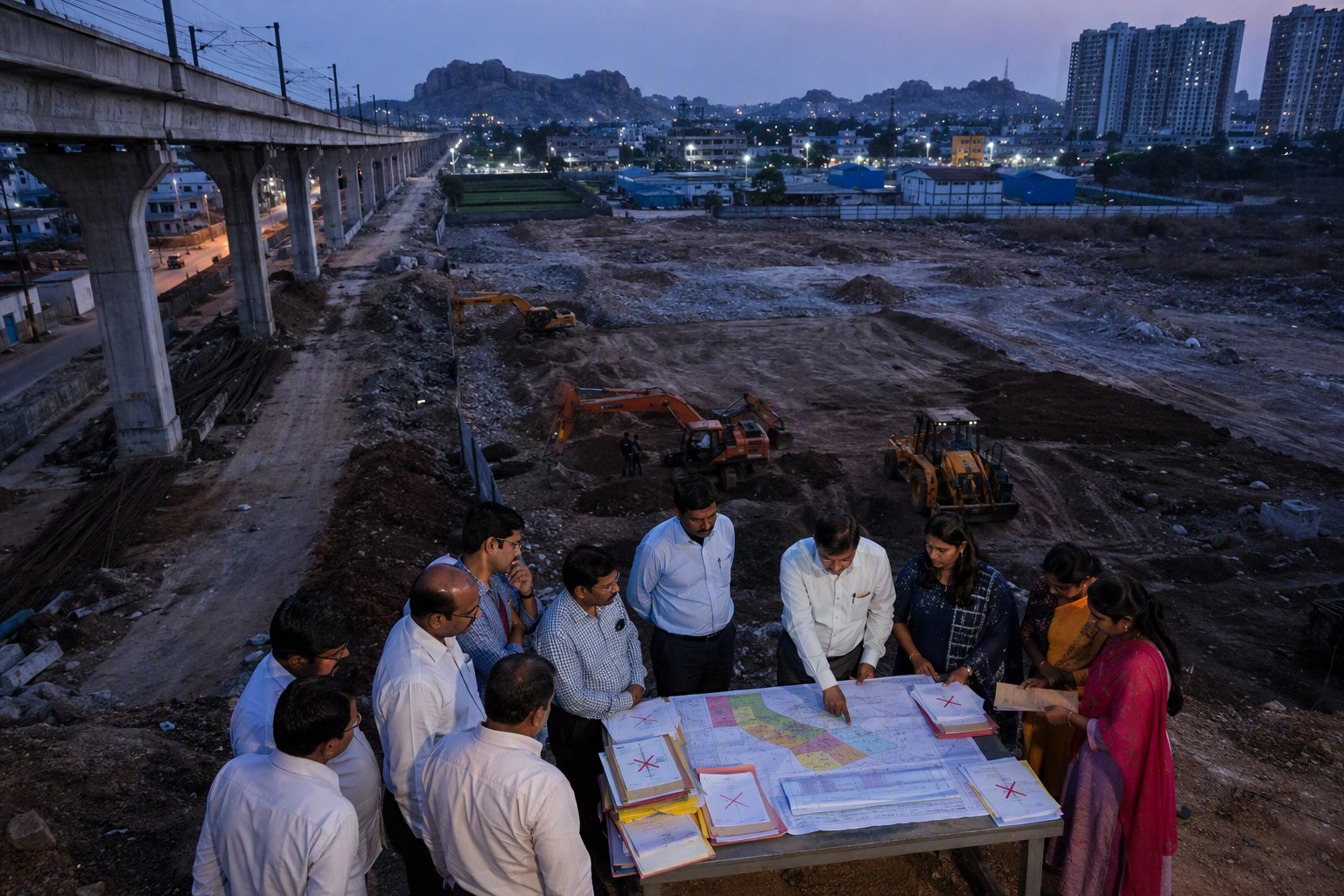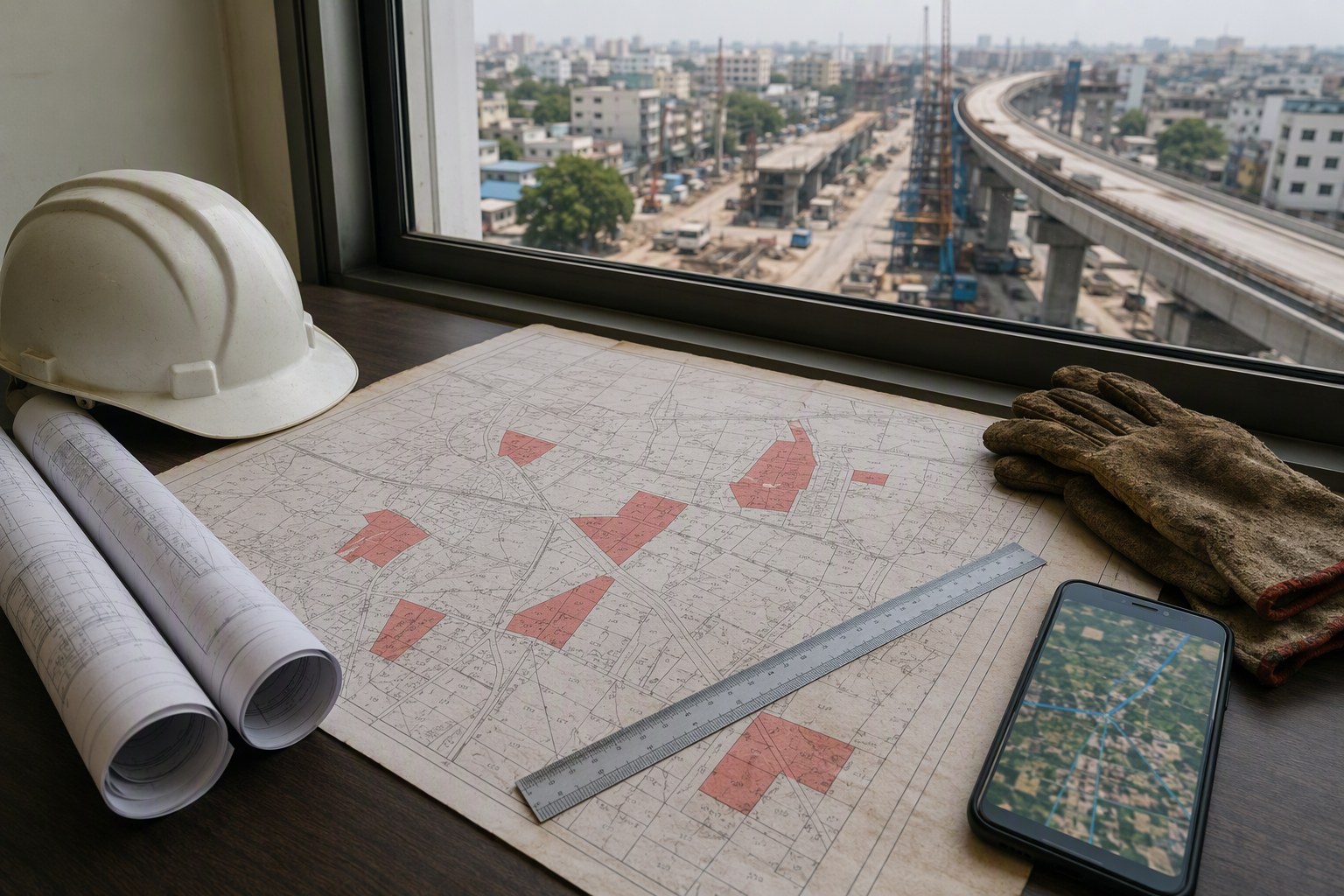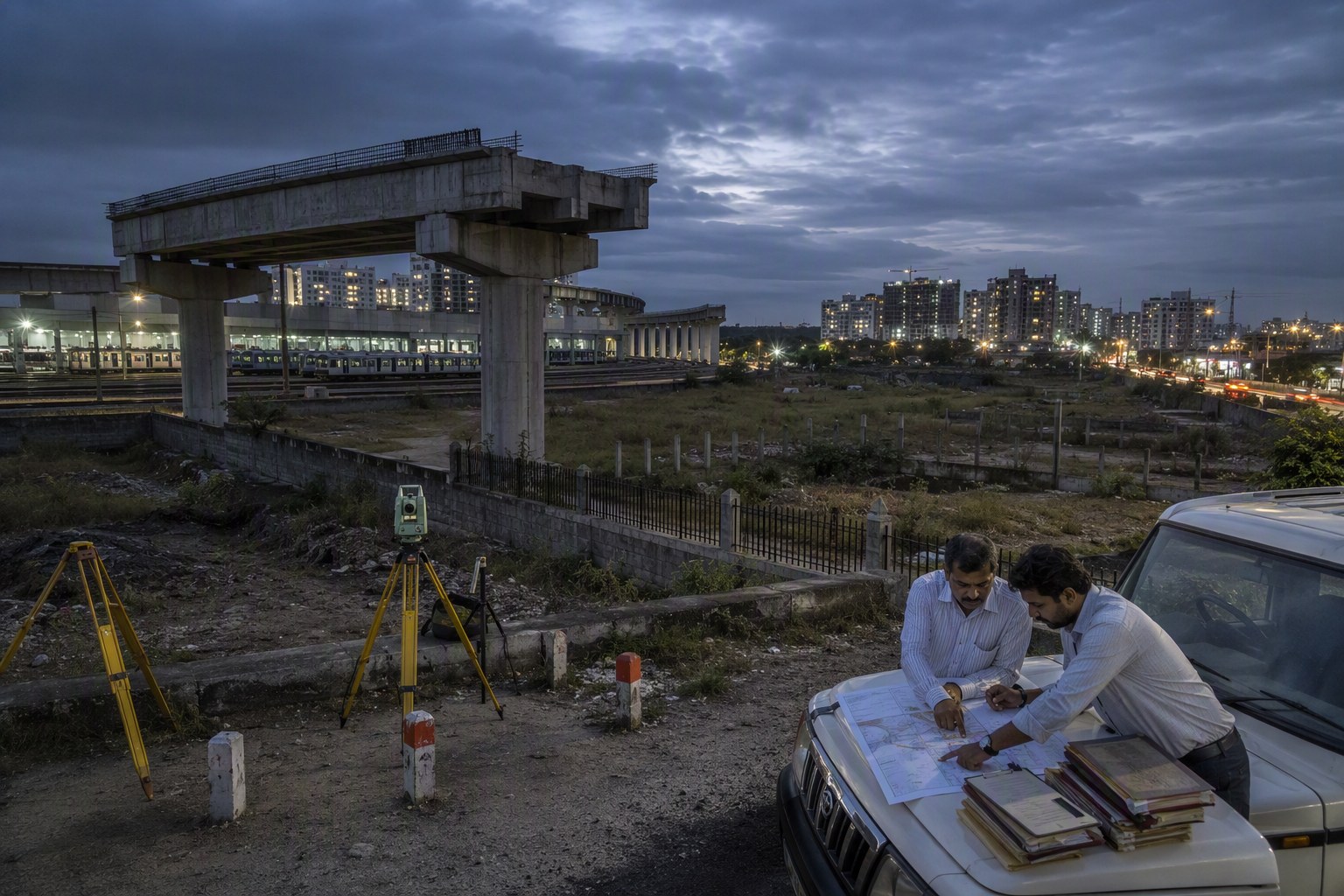
Hyderabad Metro Extensions are likely to bring a quieter but serious issue into public view: land title verification for depots, stations, parking lots, entry-exit structures and utility parcels. The engineering drawings may get public attention, but on the ground, the harder file work often happens in mandal offices, SRO records, dharani entries, pahani extracts and Section 22-A checks.
As per latest IGRS data available with Verified.RealEstate, Telangana has 3,076,153 prohibited property records under Section 22-A. That single number should make every Metro-linked land transaction slower, not faster. For large public infrastructure, speed is useful only when the land file is clean.
Hyderabad Metro Extensions and the Section 22-A risk
Metro expansion needs more than track alignment. Every corridor throws up land requirements for station boxes, viaduct piers, traction substations, depots, bus bays, multi-level parking and construction yards. Some parcels may be government land. Some may be private patta land. Some may sit in a grey zone because old revenue records and present registration records do not speak the same language.
This is where Section 22-A becomes central. A property appearing in the prohibited list can face registration restrictions. The reasons may include government land, assigned land, endowment land, Wakf claims, court orders, ceiling issues or other official prohibitions. In our experience, many buyers casually say “registration ayipothadi” after seeing only one document. That is risky, especially around infrastructure corridors where land values rise sharply even before actual work starts.
For Hyderabad Metro Extensions, the title pressure will not be limited to the main depot parcel. Small pockets near proposed stations can also become sensitive: access roads, feeder parking, footpath widening, drainage lines, electric utilities and temporary casting yards. A 200-square-yard strip with a title issue can delay a much larger work package if it sits at the wrong spot.
Hyderabad Metro Extensions: localities where verification will matter
The title spotlight is likely to fall on high-activity stretches and junctions across Hyderabad’s growth belt. Around Raidurg, Madhapur and Gachibowli in Serilingampally mandal, land records are already complex because of old village boundaries, institutional land, private layouts and commercial redevelopment. Around Shamshabad mandal, airport-side connectivity brings its own mix of agricultural survey numbers, converted lands and logistics-related parcels.
On the eastern and southern sides, areas such as LB Nagar, Hayathnagar, Nagole, Chandrayangutta, Rajendranagar and Uppal may see renewed attention if Metro-related parking, station access or feeder plans move ahead. The Old City-side stretches can be even more document-heavy because parcels are smaller, ownership histories are older, and family partitions are often not neatly reflected in present SRO records.
We’ve seen this pattern earlier near major road-widening and flyover works: once a public project becomes visible, private deals around the alignment start moving quickly. Sellers quote future connectivity. Buyers assume appreciation. But the SRO will not register sentiment. It will look at records, prohibitions, boundaries, market value and encumbrances.
Our view is simple: Metro proximity is a location advantage, not a title certificate. A station nearby cannot cure a bad survey number.
What depot and station land files should show
For any parcel being considered for depot, parking or station support use, the verification file should not stop at one sale deed. A proper title read should connect revenue, registration and planning records. This is especially true in villages that have seen conversion from agricultural to urban use.
| Document or check | Why it matters for Metro-linked land |
|---|---|
| Survey number and village confirmation | Helps avoid wrong-location claims, especially where old village maps and present layouts differ. |
| Pahani / revenue record | Shows cultivation, possession and land classification history as per revenue records. |
| Dharani status | Useful for checking present digital revenue position and possible restrictions. |
| Section 22-A check | Flags properties that may face registration prohibition under government records. |
| Encumbrance Certificate | Shows registered transactions, mortgages, releases and other entries available in SRO records. |
| Guideline value / market value | Gives the government-notified value for stamp duty and registration purposes. |
| Land use and road width | Relevant for parking, commercial development, station access and TOD-style redevelopment. |
For quick pre-checks, buyers and consultants can use Survey Number Finder, Section 22-A Prohibited Property Check and Encumbrance Certificate Search. These tools do not replace legal opinion, but they reduce blind spots before token advance is paid.
Private buyers near Hyderabad Metro Extensions should slow down
The bigger immediate impact may be on private buyers, not only government agencies. Whenever Hyderabad Metro Extensions are discussed, plots and small buildings near possible station locations become hot conversation points. Brokers start using words like “walkable to Metro” even when the exact entry-exit position is not final. Some quote based on future expectation, not present ready reckoner position.
Before agreeing to any rate, check the government market value through Market Value / Guideline Value Search. For apartment or mixed-use purchases near proposed Metro influence zones, use RERA Project Lookup if it is a registered project. For stamp duty planning, use Stamp Duty Calculator. If the seller is pushing for a quick agreement, that is exactly when the buyer should ask for more documents, not fewer.
In Serilingampally mandal, for example, parcels around IT corridor localities can have clean-looking sale deeds but complicated parent documents. In Rajendranagar and Shamshabad mandals, agricultural-to-non-agricultural history must be checked carefully. In Hayathnagar and Uppal-side villages, layout approvals, road access and survey number matching deserve attention. Local knowledge helps, but only records can close the risk.
Why SRO and mandal records must be read together
One common mistake is treating the Encumbrance Certificate as the full title report. It is not. The EC tells you what has been registered in the SRO. It may not fully explain revenue classification, government claims, assignment history, or a fresh prohibition entry. A clean EC and a 22-A flag can exist in the same discussion. That is why the SRO record, dharani position, pahani, old link documents and physical possession must be read together.
If you are not sure which office has jurisdiction, start with Find Your SRO Office and SRO Village Directory. For plots close to major roads or proposed station access points, Road Width Check and Land Use Zone Finder can help frame the next set of questions for your advocate or surveyor.
Metro works can also trigger boundary disputes. A landowner may discover only during acquisition or negotiation that the extent in the sale deed, the extent on ground and the extent in revenue record do not match. That gap can affect compensation, development potential and resale. In such cases, a surveyor’s sketch and official field measurement become as valuable as the sale deed itself.
Hyderabad Metro Extensions may clean up more than transport
There is a positive side here. Large infrastructure projects force departments to reconcile records. When depot and station parcels are verified properly, old ambiguities come to the surface. Some can be corrected. Some will go into dispute. Some landowners will finally understand why their property has been stuck in registration or mutation for years.
For the city, that is not a bad thing. Hyderabad’s expansion has outpaced its paper trail in several pockets. Metro-led scrutiny can push better coordination between planning authorities, revenue officials, SROs and landowners. But the process has to be transparent. If a parcel is prohibited, the reason should be clear. If a prohibition is outdated, the correction route should be practical. If public land is being protected, the record should be strong enough to withstand legal challenge.
For now, the safest approach is record-first buying. Do not buy only on Metro rumours. Do not rely only on a broker’s map. Do not assume that a high-demand locality means clean title. Hyderabad Metro Extensions can change commute patterns and land demand, but they will also put depot, station and parking land under a sharper legal lens.
Frequently Asked Questions
Will Hyderabad Metro Extensions affect land title checks?
Yes. Depot, station, parking and access-road parcels will need closer checks across SRO, dharani, pahani and Section 22-A records. Nearby private sales may also face more scrutiny.
What is Section 22-A in Telangana property records?
Section 22-A refers to properties restricted from registration under government records. As per latest IGRS data used by Verified.RealEstate, Telangana has 3,076,153 prohibited property records.
Is a clean Encumbrance Certificate enough before buying near a Metro corridor?
No. An EC is useful, but it should be checked along with survey number details, dharani status, pahani, 22-A status, link documents, land use and physical possession.
Which Hyderabad areas may see more title verification because of Metro expansion?
Areas around Raidurg, Madhapur, Gachibowli, Shamshabad, LB Nagar, Hayathnagar, Nagole, Chandrayangutta, Rajendranagar and Uppal may see closer checks depending on final alignment and land requirement.
How can buyers reduce risk before paying advance for Metro-proximity property?
Start with survey number verification, Section 22-A check, EC search, market value check and SRO jurisdiction confirmation. Then get a local property advocate to review parent documents.