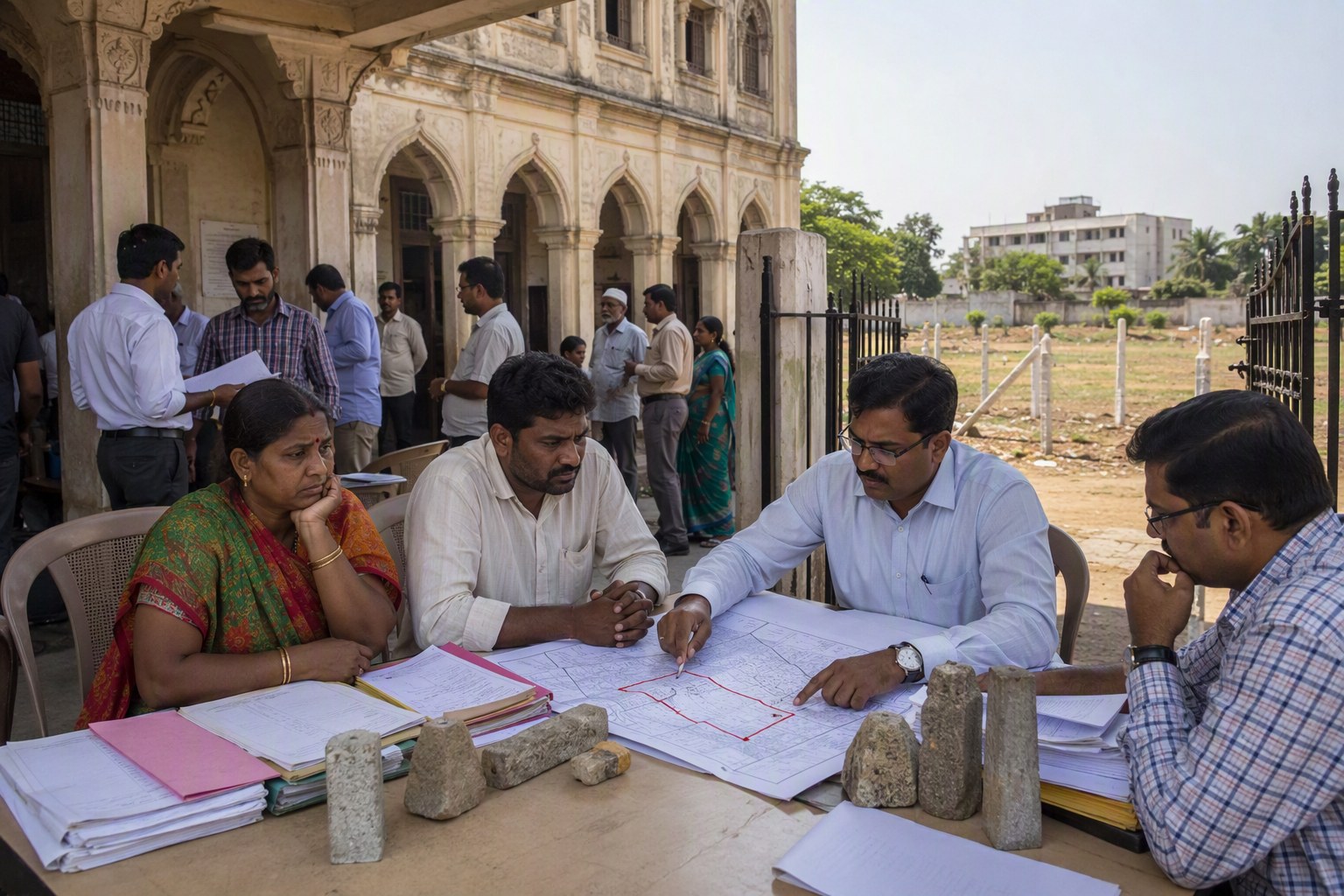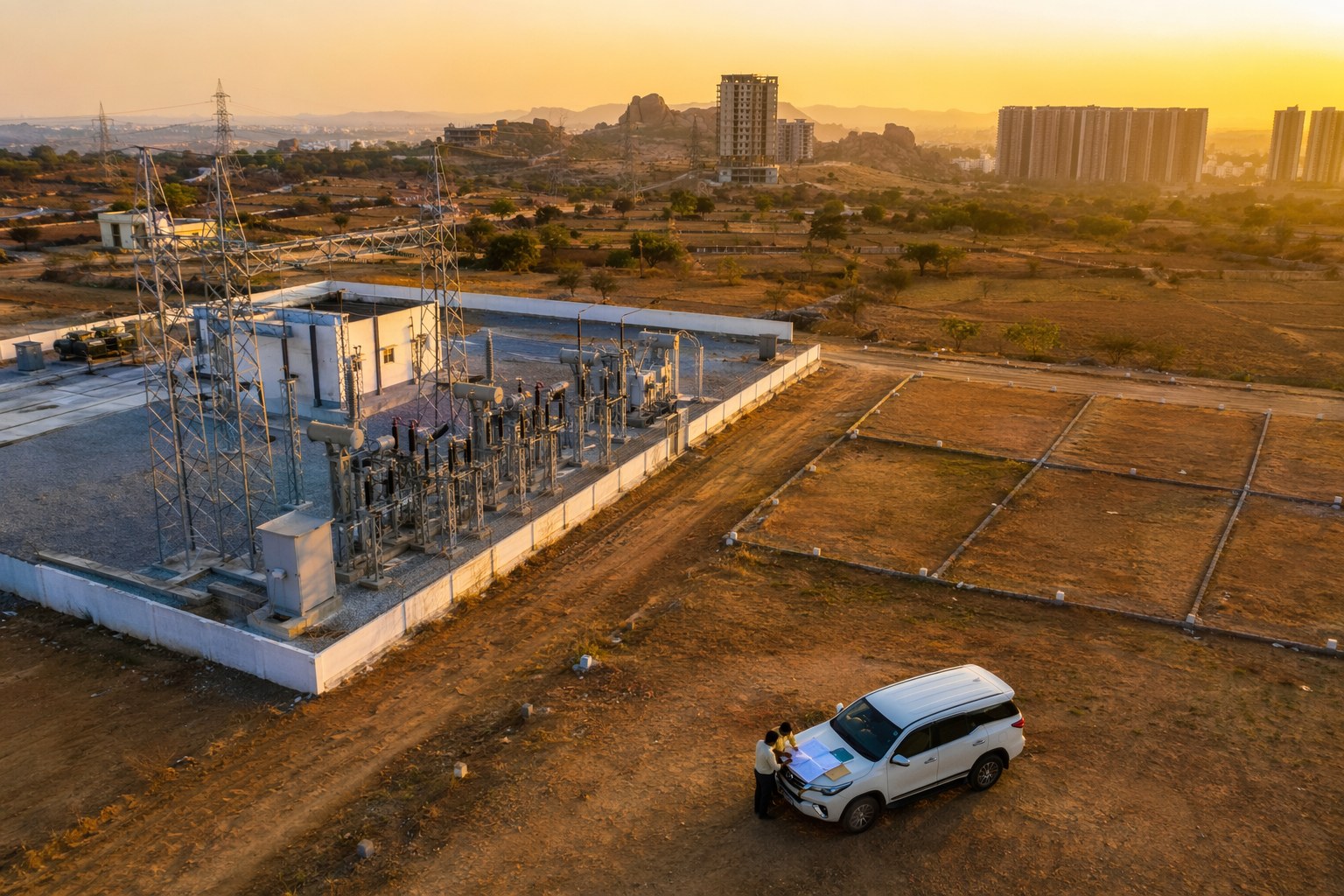



Telangana May Open 22-A API Checks for Safer Deeds is the kind of move that can change how buyers, bankers and Sub-Registrar Offices catch risky property transactions before a deed reaches the filing counter. The reported idea is simple: create a controlled API layer so authorised users can check whether a property falls under Section 22-A prohibited properties. Telangana’s prohibited property list currently has 147,934 entries, and even a small reduction in last-minute deed rejections can save buyers serious money and stress.
For Hyderabad’s real estate market, this is not a small backend upgrade. It can directly touch transactions in hot corridors like Serilingampally, Gandipet, Rajendranagar, Kukatpally, Uppal, Medchal, Shamirpet and Maheshwaram, where land records, survey numbers and past title history often decide whether a deal moves smoothly or gets stuck at the SRO.
Our view at Verified.RealEstate: a safe, permission-based 22-A check before deed preparation is overdue. Buyers should not discover prohibition risk only after paying token advance, arranging bank loan papers and standing at the registration office.
Telangana May Open 22-A API Checks: What is being considered?
The proposal being discussed is not about making sensitive land data openly downloadable by everyone. The practical model would be a controlled API, where SRO systems, banks, housing finance companies and verified property platforms can query specific property identifiers and get a restricted status response.
In plain English, a banker evaluating a home loan in Narsingi or a due diligence team checking agricultural land near Shankarpally mandal may be able to confirm early whether the survey number or property reference is tagged under Section 22-A. That can happen before deed drafting, challan payment or loan sanction reaches the final stage.
Today, many buyers depend on manual checks: pahani copies, Dharani entries, EC review, old sale deeds, mutation history, SRO visits and local enquiries. These are still needed. But a structured 22-A API check can become the first warning signal.
Why Telangana May Open 22-A API Checks matters for 147,934 prohibited properties
Section 22-A entries are not just a clerical line item. They can cover government land, assigned land, endowment land, wakf-related entries, ceiling surplus land, court-disputed properties and other categories where registration may be restricted. Telangana has 147,934 prohibited properties in this category. That number alone explains why early screening is needed.
In our experience, many failed deals do not fail because the buyer ignored risk. They fail because the risk was found too late. A family may finalise a plot in Adibatla, pay an advance, apply for a loan, and only then discover that a survey number match or village record issue blocks registration. In another case, a flat buyer in Bachupally may get clean builder brochures and still need to verify the project land title and registration history.
A controlled API can reduce this timing problem. It will not replace legal opinion, but it can make the first filter faster and more consistent.
How an API check may work at SRO, bank and platform level
A sensible system will likely ask for identifiers such as district, mandal, village, survey number, sub-division number, door number, document number or property ID depending on the property type. The system may then return a status such as “not found in 22-A list”, “possible match”, “prohibited”, or “needs officer review”.
| User | Possible use of 22-A API | Buyer benefit |
|---|---|---|
| SRO office | Pre-filing validation before deed acceptance | Fewer counter-stage surprises |
| Bank or HFC | Loan due diligence before sanction | Lower risk of loan rejection after advance payment |
| Verified platform | Early property screening with audit trail | Clearer red flags before negotiation |
| Legal due diligence team | Cross-check against revenue and registration records | Better title opinion quality |
For buyers, the best approach is still layered verification. Start with a Section 22-A Prohibited Property Check, confirm jurisdiction through Find Your SRO Office, check land identifiers using the Survey Number Finder, and review transaction history through Encumbrance Certificate Search.
Impact on Hyderabad property registrations and early due diligence
Hyderabad’s growth corridors are no longer simple urban neighbourhoods. A buyer looking at a villa plot near Mokila may be dealing with Shankarpally mandal records. A commercial buyer near Financial District may need to understand Serilingampally and Gandipet jurisdictional links. A farmhouse-style land deal beyond Shamirpet can involve village-level revenue history, old pahani references and Dharani status.
That is why one central question matters: is the property eligible for registration? If a 22-A API answers that question at the start, it helps all sides. Sellers with clean title can move faster. Buyers can avoid weak deals. Banks can reduce documentation churn. SRO staff can spend less time handling avoidable filing attempts.
This will also help in apartment transactions. Many flat buyers assume Section 22-A is only a land issue. That is not always safe. The apartment stands on land, and land title risk can travel into constructed property. For RERA-registered projects, buyers should also use the RERA Project Lookup to compare approvals, promoter details and project status.
What buyers should check before paying token advance
My strong opinion: do not pay a large token advance only because the seller says “registration is possible”. Ask for proof. In Telangana, the basic pre-advance checklist should include the latest EC, previous title documents, property tax or revenue references, layout approval if it is a plot, building permission if it is a flat or house, and a prohibition status check.
- Check whether the property or survey number appears under Section 22-A.
- Confirm the correct SRO because boundary areas can confuse buyers.
- Search EC for at least the legally relevant period advised by your lawyer.
- Check market value before calculating stamp duty and registration cost.
- For land, compare survey number, village, mandal and extent across all documents.
For cost planning, use the Market Value / Guideline Value Search and the Stamp Duty Calculator. If the deal involves redevelopment, joint development or a mixed asset, the Composite Value Calculator can also help you estimate transaction value more clearly.
Privacy and misuse concerns around 22-A API checks
Any API linked to land records must be tightly controlled. Telangana cannot afford a system where bulk scraping, speculative targeting or misuse of owner-linked information becomes common. The clean way is to return limited status information, maintain logs, restrict access to approved entities, and keep citizen-facing checks simple.
There should also be a correction route. If a property is wrongly tagged, owners must have a transparent process to seek review with documents. In many older Hyderabad and district records, spelling variations, survey sub-divisions and village boundary changes create confusion. API results should help decision-making, not become an unquestioned final verdict without appeal.
Telangana May Open 22-A API Checks: What it will not solve
A 22-A API check is not a full title guarantee. It will not automatically confirm possession, family disputes, unregistered agreements, pending civil cases, layout validity, building deviations or loan liens that are not properly reflected. Buyers still need legal scrutiny and document matching.
For example, a property in Kompally may not be on the prohibited list, but it may still have an old mortgage entry or family succession issue. A plot near Ibrahimpatnam may clear 22-A but fail layout approval scrutiny. A resale flat in Miyapur may have clean registration history but pending society or builder dues. This is why we always prefer a full verification stack through the Property Verification Tool and change monitoring via the Property Change Tracker.
If implemented well, this API can bring discipline to the first stage of property buying in Telangana. The state already has digitised building blocks through Dharani, SRO systems and online public tools. The missing link is reliable, permissioned, early-stage risk signalling for prohibited properties.
For buyers, the message is clear: use data before emotion. Hyderabad property decisions are expensive, and one missed 22-A flag can turn a promising deal into a long fight.
Frequently Asked Questions
What is a Telangana 22-A prohibited property?
A 22-A prohibited property is a property restricted from registration under Section 22-A due to reasons such as government land status, assigned land, endowment or wakf issues, ceiling matters or other notified restrictions.
How many prohibited properties are listed in Telangana?
Telangana has 147,934 prohibited properties recorded under Section 22-A. This is why an early digital check can help buyers, banks and SROs avoid last-minute registration problems.
Will a 22-A API check replace legal verification?
No. It can act as an early warning check, but buyers should still verify EC, title chain, pahani or Dharani records, approvals, SRO jurisdiction and any court or family dispute risk.
When should a buyer check 22-A status?
Check before paying a major token advance or signing an agreement of sale. It is better to identify prohibition risk before loan processing, deed drafting and stamp duty payment.
Which tools can help with Telangana property due diligence?
Use the Section 22-A Prohibited Property Check, Encumbrance Certificate Search, Find Your SRO Office, Survey Number Finder, RERA Project Lookup and Stamp Duty Calculator for a stronger first-level review.