

Telangana May Mandate Public Hearings Before 22-A Additions
Telangana May Mandate Public Hearings Before 22-A Additions is the kind of reform many land buyers, advocates and document writers have been asking for. With 30,3,076,153 prohibited properties recorded under Section 22-A as per latest IGRS data, even a small mistake in adding land to the prohibited list can create years of anxiety for families, farmers, developers and lenders.
The discussion now is simple but serious: before any fresh property is placed under Section 22-A, should the owner, pattadar or affected party get a public notice and a fair chance to object? In our experience, that one step can reduce avoidable disputes at SRO counters and improve buyer confidence, especially in fast-moving Hyderabad and surrounding mandals.
Telangana May Mandate Public Hearings Before 22-A Additions: What Is Being Discussed?
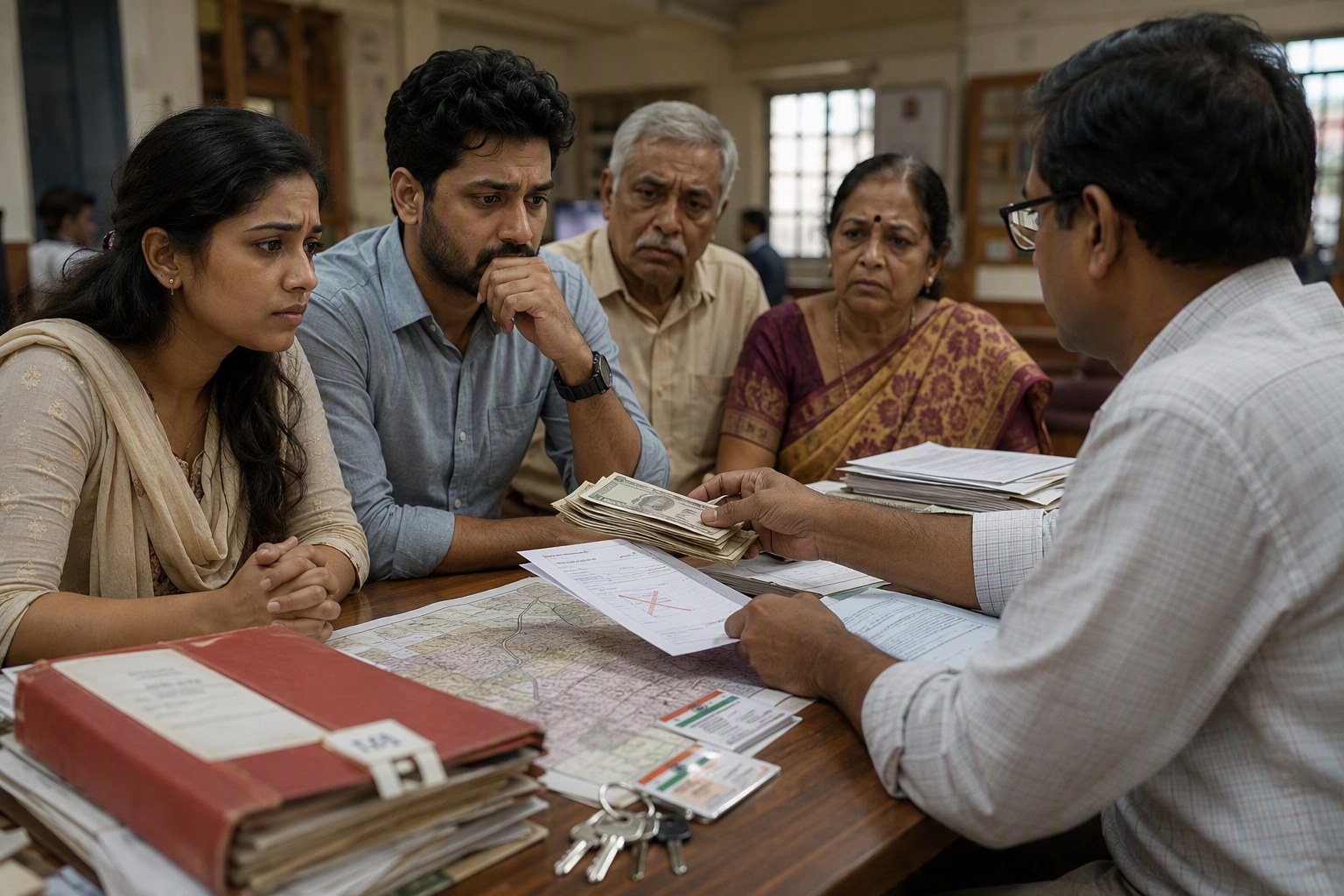
Section 22-A entries are not small administrative notes. Once a property is marked prohibited, registration usually stops at the Sub-Registrar Office. The buyer cannot register a sale deed, the seller cannot complete a transfer, and banks become cautious about lending against that property.
Government land, endowment land, assigned land, wakf-related entries, court-disputed land and other restricted categories often appear under 22-A. The purpose is valid: the State must protect public land and legally restricted property. But the problem starts when private patta land, old family land or already-developed plots get caught in the list due to unclear survey mapping, old village records, name mismatches or bulk notifications.
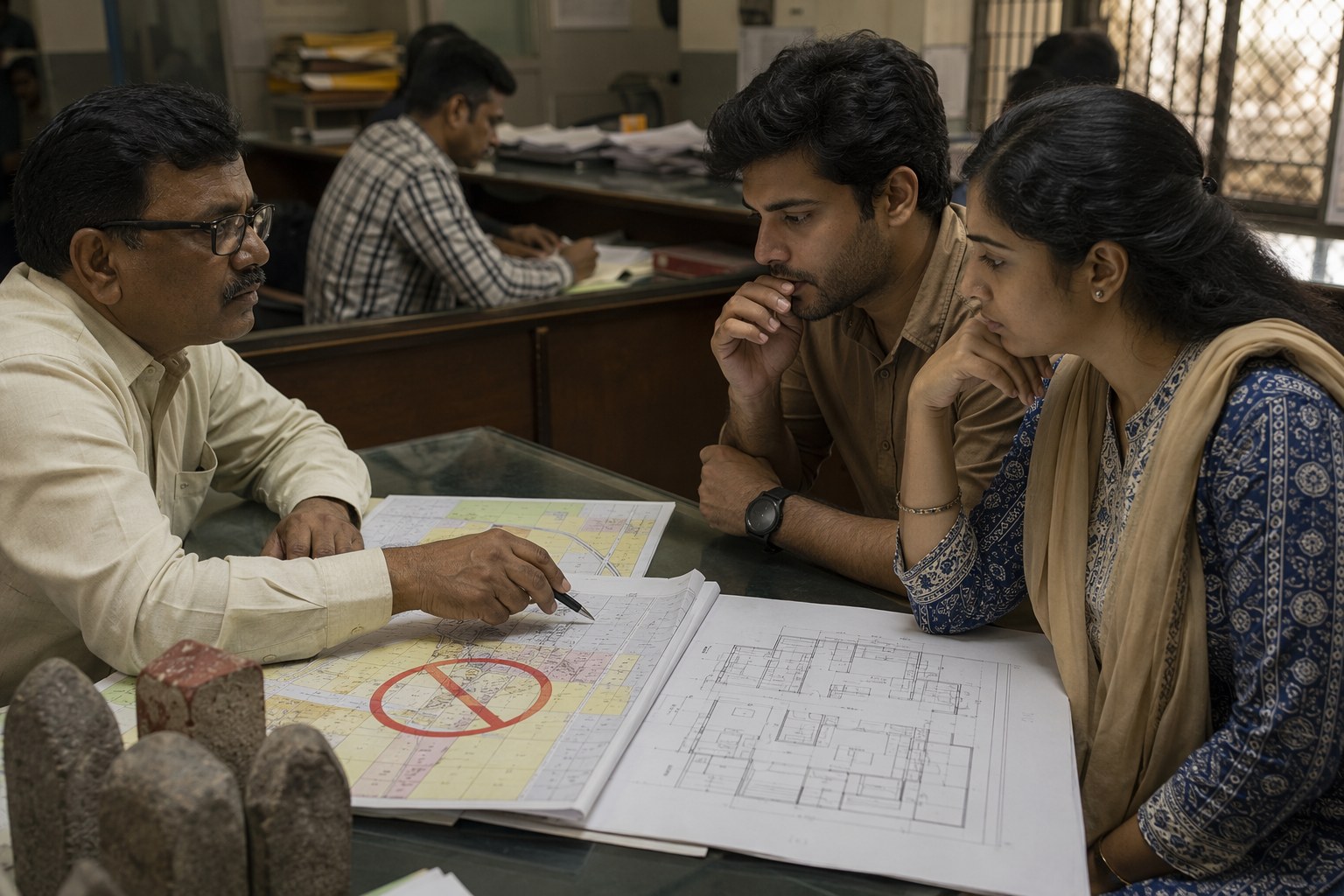
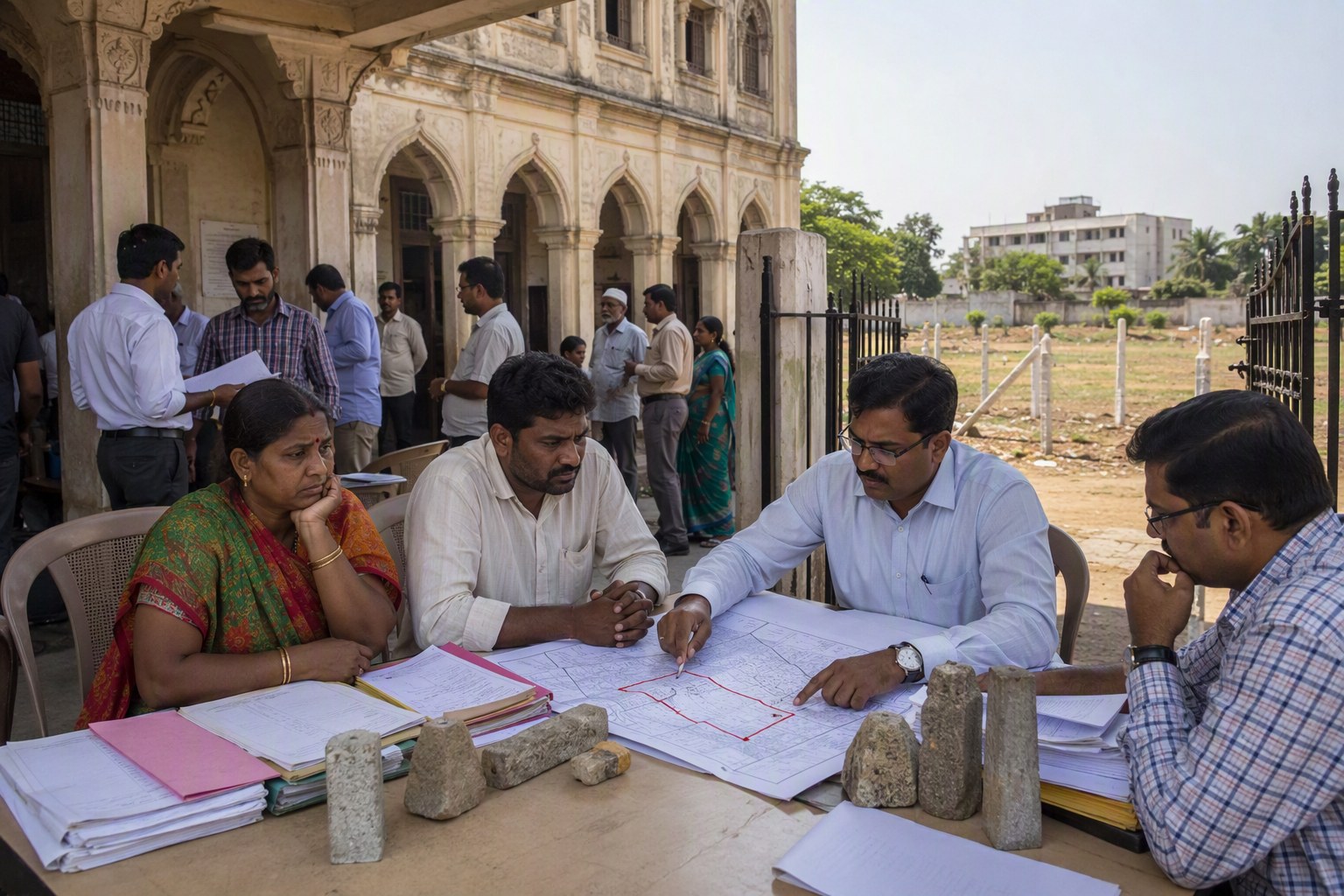
That is why a public hearing step before new 22-A additions can matter. A notice at village level, mandal level or through Dharani/registration channels would give affected parties time to produce pahanis, old sale deeds, mutation records, ROR extracts, court orders, layout approvals or revenue proceedings before the prohibition becomes active.
Our view is clear: protecting government land and protecting genuine private owners are not opposite goals. A hearing process can support both.
Why Telangana May Mandate Public Hearings Before 22-A Additions Now
The scale itself explains the pressure. Telangana has 30,3,076,153 prohibited properties recorded under Section 22-A as per latest IGRS data. At this volume, the system cannot depend only on post-listing corrections. Buyers and owners need a preventive step, not only a remedy after registration is blocked.
We have seen this issue surface in several Hyderabad-side markets. A buyer checks a flat in Miyapur under Serilingampally mandal, a plot near Tellapur and Osman Nagar in Ramachandrapuram mandal, or agricultural land around Shamshabad mandal. Everything looks fine at the conversation stage. Then, during document scrutiny, the survey number or part of it appears in a prohibited property list. The transaction freezes.
In places such as Kokapet in Gandipet mandal, Gachibowli and Nanakramguda in Serilingampally mandal, Adibatla in Ibrahimpatnam mandal, and corridors around Maheshwaram and Shankarpally, land values and development pressure have made title clarity more valuable than ever. A 22-A surprise can change the entire risk profile of a deal.
What A Public Notice Or Hearing Could Change For Buyers
A proper public hearing mechanism before fresh additions could create three practical benefits.
- Early correction of errors: If a private owner receives notice before listing, they can submit land records and objections early.
- Cleaner SRO decisions: Sub-Registrars will have better background material instead of facing confusion only at the registration counter.
- Better buyer confidence: Buyers will know that a property was not added to the prohibited list without giving affected parties a hearing.
This is especially useful for buyers who are not full-time real estate investors. Most families buying a plot in Patancheru, a villa site near Mokila, or an apartment in Narsingi do not know how revenue records move between village, mandal, district and registration departments. They depend on lawyers, brokers, builders and the SRO. A public hearing step gives them one more layer of comfort.
Before paying an advance, buyers should still run basic checks through the Section 22-A Prohibited Property Check, verify past transactions using the Encumbrance Certificate Search, and confirm the correct registration jurisdiction through Find Your SRO Office.
Section 22-A, Dharani And The Revenue Record Problem
Telangana’s land record system has improved in many ways, but legacy issues remain. Old pahanis may describe land differently from present digital records. Survey numbers can be subdivided. Village boundaries may shift in practical usage. Layouts may have been approved long ago, while revenue classification was not updated properly.
In Hyderabad’s growth belt, this becomes more complicated. Agricultural land gets converted. Gram panchayat layouts get absorbed into municipal limits. HMDA permissions, DTCP permissions, RERA registrations and local body records may all be relevant depending on the property type.
A hearing before 22-A addition can force departments to look at the complete record, not only one file note. For example, if land in a particular survey number has both government claim and private occupation history, the hearing can help identify the exact extent and boundaries. That matters because buyers often purchase only a portion of a survey number, not the entire number.
For cross-checking survey details, buyers can use the Survey Number Finder. For apartments and gated community projects, the RERA Project Lookup is also useful. Where land classification is a concern, the Land Use Zone Finder can help buyers understand planning-zone context before they go deeper into legal due diligence.
What Owners Should Expect If Hearings Become Mandatory
If Telangana formally introduces public hearings before fresh 22-A additions, owners may need to be more alert with their land documents. A notice may come through local revenue channels, public display, online record, or a communication linked to the survey number. The final procedure will depend on the government’s rules and departmental workflow.
Owners should keep these documents ready where applicable:
- Old and recent pahanis or ROR records
- Registered sale deeds and link documents
- Mutation proceedings and pattadar passbook details
- Layout approval copies, if the land was plotted
- Conversion orders, if agricultural land was converted
- Court orders, if any dispute was already decided
- Tax receipts, municipal records or gram panchayat records, where relevant
One practical issue I expect is awareness. Many small landowners in mandals outside core Hyderabad may not track public notices daily. If the hearing system is designed only on paper, people may still miss it. A better model would combine village notice, mandal office display, Dharani-linked visibility and registration department alerts.
Buyer Checklist Before Purchasing Land In Telangana
Whether or not the hearing rule comes, buyers should not treat 22-A verification as a last-minute task. Do it before token advance, not after loan processing. In our experience, many disputes begin because the buyer first pays and only later checks prohibited status.
| Check | Why It Matters | Useful Tool |
|---|---|---|
| 22-A status | Confirms whether registration may be blocked | Section 22-A Prohibited Property Check |
| Encumbrance history | Shows registered transactions and possible charges | Encumbrance Certificate Search |
| SRO jurisdiction | Helps approach the correct registration office | Find Your SRO Office |
| Guideline value | Helps estimate registration value as per ready reckoner | Market Value / Guideline Value Search |
| Stamp duty estimate | Helps plan registration cost before execution | Stamp Duty Calculator |
For buyers in areas like Bachupally, Kompally, Kollur, Shankarpally, Tukkuguda, Maheshwaram and Keesara, the same rule applies: do not rely only on location hype. Ask for the survey number, village name, mandal, link documents and SRO details. Then verify.
Our Take On Telangana May Mandate Public Hearings Before 22-A Additions
A public hearing requirement will not solve every land dispute. Some lands genuinely need to remain prohibited. Some claims will still require courts. Some records may continue to be difficult because Telangana has decades of layered revenue history.
Still, a hearing before fresh 22-A additions is a sensible reform. It can reduce arbitrary listing allegations, give genuine owners a voice, and help the registration department avoid messy disputes at the final stage. For the market, the biggest gain is confidence. When buyers believe that land restrictions are applied after notice and scrutiny, they are more willing to transact.
The State should also make the process easy to track. A property owner should be able to see why a survey number is proposed for 22-A addition, which department requested it, what documents were considered, and what order was passed. Without that transparency, the hearing may become only another file movement.
For now, buyers should behave as if every land deal needs independent verification. Section 22-A status, EC, pahani, Dharani details, layout approval, RERA status and SRO jurisdiction should all be checked before money changes hands. That is not fear-mongering. That is basic Telangana real estate hygiene.
Frequently Asked Questions
What is Section 22-A in Telangana property registration?
Section 22-A refers to properties prohibited from registration. These may include government land, assigned land, endowment land, wakf-related properties, disputed categories and other restricted lands as recorded by the authorities.
How many prohibited properties are recorded under Section 22-A in Telangana?
As per latest IGRS data available in the Verified.RealEstate database, Telangana has 30,3,076,153 prohibited properties recorded under Section 22-A.
How can a buyer check if a property is under 22-A?
Buyers should check the survey number, village and mandal details through the Section 22-A prohibited property check, review the encumbrance certificate, and confirm details at the relevant SRO before paying any advance.
Will a public hearing remove all 22-A disputes?
No. A public hearing can reduce errors and give owners a chance to object before listing, but genuine government claims, court disputes and legally restricted properties may still remain prohibited.
What documents should owners keep ready if their land is proposed for 22-A listing?
Owners should keep sale deeds, link documents, pahanis, ROR records, mutation proceedings, passbook details, layout approvals, conversion orders and any court orders ready for verification.