


Telangana May Audit Old 22-A Tags Before Sale Deeds: What Buyers Should Do Now
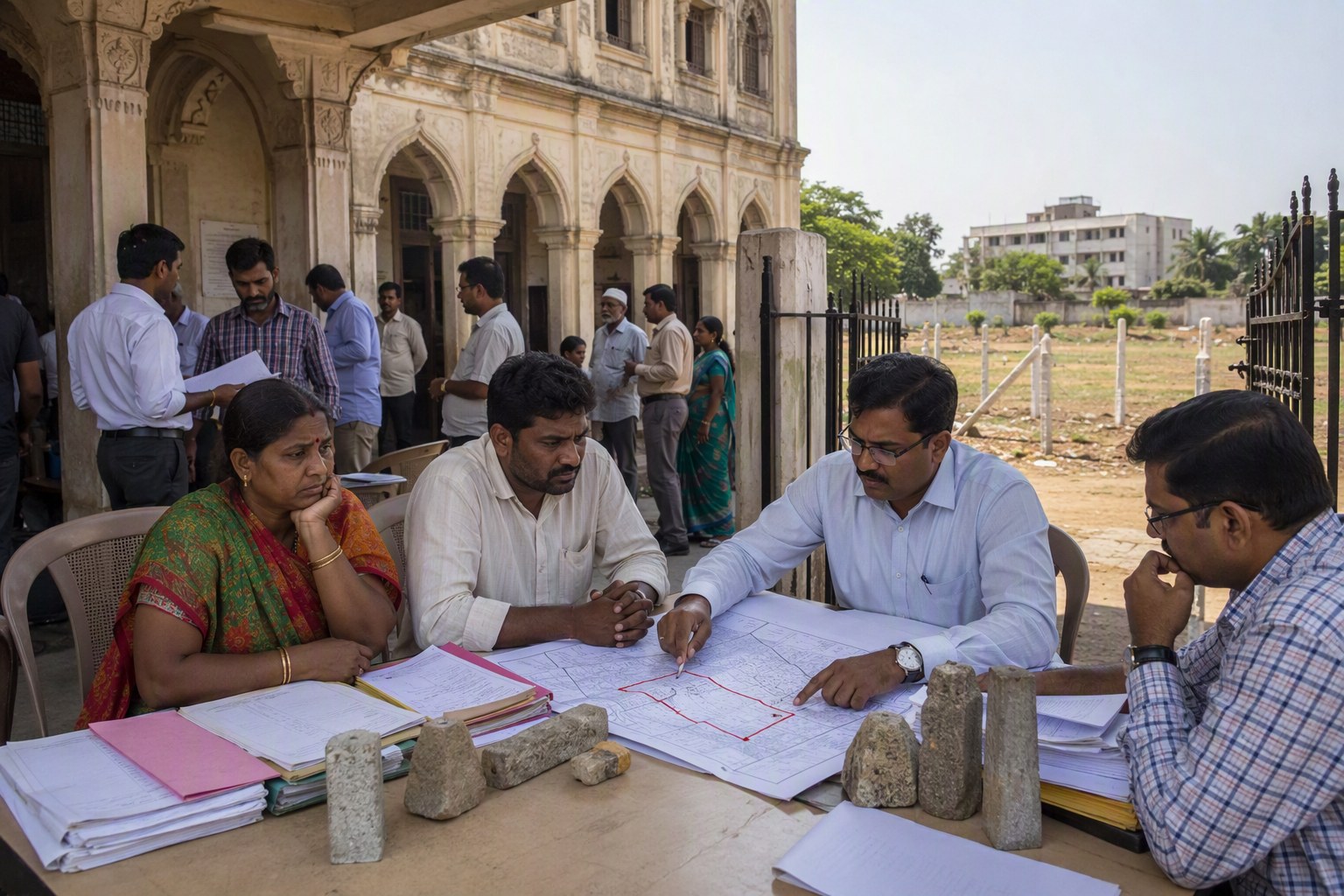
Telangana May Audit Old 22-A Tags Before Sale Deeds, and that could directly affect how quickly a sale deed is accepted at the SRO, how safely buyers can pay a token advance, and how banks clear legal files. The issue is simple but serious: if a survey number, plot, flat-linked land parcel, assigned land, government land, endowment land or disputed entry appears under Section 22-A, the registration office can refuse the sale deed until the entry is clarified or removed.
As per latest IGRS data available to Verified.RealEstate, Telangana has 3,076,153 prohibited property entries under Section 22-A. That is a huge working list for district officials, SROs, buyers, sellers, lenders and developers. A district-level audit of older 22-A tags, if taken up seriously, may clean up legacy mistakes. It may also slow down transactions where sellers are not document-ready.
Our view is blunt: buyers should not treat 22-A checking as a last-day registration formality. It should happen before token payment, before loan processing, and before drafting the agreement of sale.
Telangana May Audit Old 22-A Tags Before Sale Deeds: Why This Matters
Section 22-A entries are not like a normal encumbrance. An EC may show past registered transactions, mortgages or releases. A 22-A entry, on the other hand, can stop registration itself. In practice, buyers hear phrases like “prohibited property”, “government land”, “assigned land”, “court case”, “endowment land”, or “dharani issue” only after they have already paid a token. That is where the damage starts.
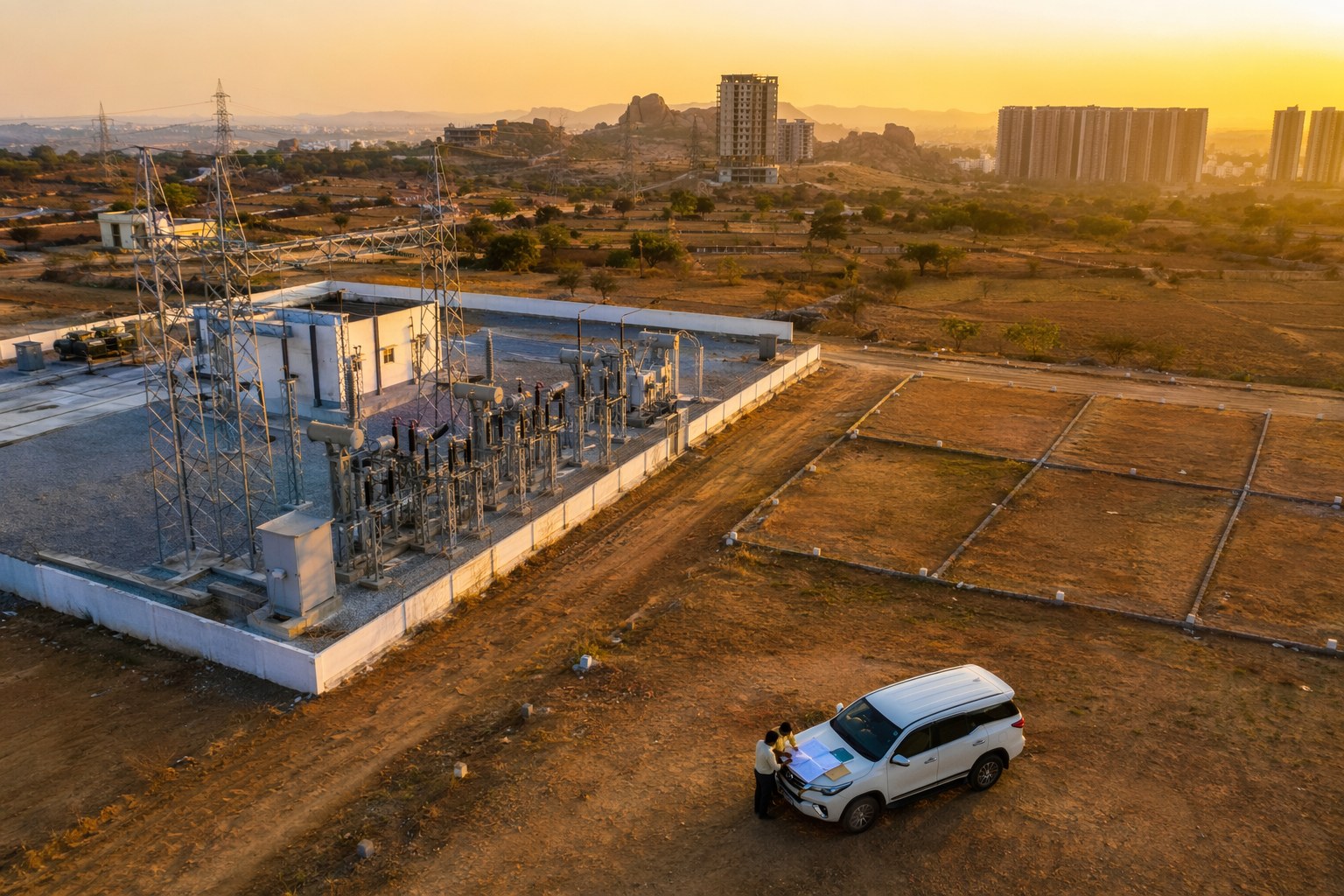
In Hyderabad’s active growth belt, this is more than a rural land issue. We have seen buyers ask about land parcels around Kokapet in Gandipet mandal, Narsingi, Tellapur, Kollur side, Miyapur in Serilingampally, Bachupally, Shankarpally, Moinabad, Shamshabad, Medchal and Ghatkesar. Some are villa plots, some are resale open plots, some are old layouts, and some are apartment projects where the parent land history needs a careful look.
A possible audit may help owners whose properties were wrongly tagged years ago. But until the correction is reflected in government systems and accepted by the registering authority, the sale deed is not fully ready. That is the point buyers must understand.
What Is a 22-A Prohibited Property Tag?
Section 22-A refers to property categories where registration can be refused or restricted. The list may include government lands, assigned lands, Wakf or endowment-related lands, ceiling surplus lands, court-attached properties, and other restricted categories as per government records. The exact reason has to be checked against the survey number, village, mandal, district and SRO jurisdiction.
For land buyers, the key identifiers are survey number, village name and mandal. For apartment buyers, the parent land survey numbers matter, even if the buyer is purchasing only a flat. For resale flats, the previous sale deed may look clean, but a lender may still ask for land documents, EC, link documents, sanctioned plan, RERA details and any 22-A status connected to the land.
Before paying money, use the Section 22-A Prohibited Property Check, cross-check the survey details through the Survey Number Finder, and verify the correct registration jurisdiction using Find Your SRO Office.
How an Audit Can Affect Sale Deed Readiness
If district officials review older entries, three types of cases may emerge. First, clear prohibited properties where the tag remains and registration is not allowed. Second, wrongly tagged properties where owners may seek deletion or correction through proper channels. Third, mixed or unclear cases where only part of a survey number is affected, or old records do not match present subdivision details.
That third category is where Hyderabad buyers should be extra careful. In many peri-urban areas, one old survey number may have gone through pattadar passbooks, layout development, gift deeds, sale deeds, municipal permissions and bank loans over several years. If the 22-A record is not aligned with present boundaries or sub-divisions, the SRO may still raise a query.
We have seen buyers focus only on the flat number, tower name or plot number. That is not enough. Ask for the parent survey numbers. Ask for village and mandal. Ask for pahani, link documents, mutation history where relevant, and latest EC. For apartment projects, also check RERA using RERA Project Lookup. For resale property, run an Encumbrance Certificate Search and then read it carefully, not just download it.
Token Payments: Do Not Pay Blindly When 22-A Audit Talk Is Around
The token advance is where many buyers lose negotiation power. A seller may say, “Sir, all documents are clear, we will register next week.” But if a 22-A issue appears later, the buyer ends up chasing refund, extension, bank re-approval and family approval all at once.
In our experience, a safer token clause should say that the payment is refundable if the property is found to be under Section 22-A prohibition, SRO refusal, title defect, pending government restriction, mismatched survey details, or lender legal rejection due to land status. This is not over-cautious. It is basic protection.
For high-demand areas like Kokapet, Narsingi, Tellapur, Kollur, Osman Nagar, Mokila, Shankarpally and Shamshabad, sellers often push for quick token payments because there is competition. Still, a buyer should take one working day to check EC, survey number, SRO, guideline value and 22-A status. Use the Market Value / Guideline Value Search and Stamp Duty Calculator to understand the registration base before fixing the agreement value and duty expectations.
Lender Checks May Become Stricter
Banks and housing finance companies already ask for legal scrutiny. If old 22-A entries are under audit, lenders may become more cautious in files where the parent land history is not clean. They may ask for additional documents from the seller, developer, association or landowner. In some cases, they may hold disbursement till the legal team is satisfied.
This can affect both under-construction and resale buyers. For under-construction projects, banks usually examine the project approval package. For resale homes, the buyer’s bank examines the individual title chain, EC, previous loan closure, building permission and land documents. A 22-A doubt can slow both.
Buyers should also run a charge check through CERSAI Charge Check, especially in resale transactions where old loans may have been closed but not properly documented. For a broader document-level review, use the Property Verification Tool and EC Analyzer.
What Sellers Should Prepare Before Going to the SRO
Sellers should not wait till the registration slot to discover a problem. If the property is clean, keep documents ready. If there is an old 22-A issue, start correction steps early through the proper revenue and registration channels. Do not promise a buyer a fixed registration date unless the SRO position is clear.
- Latest EC for the required period
- Previous sale deeds and link documents
- Pahani or revenue record where land history is relevant
- Dharani passbook or mutation details where applicable
- Layout permission, building permission or occupancy certificate where applicable
- Survey number, village, mandal and SRO mapping
- Any proceedings showing deletion or correction of an old prohibited entry
For old layouts in Hyderabad’s fringe zones, sellers should also confirm whether the plot falls fully within the claimed survey extent. Boundary confusion is a common reason for last-minute doubt.
Buyer Checklist Before Sale Deed Execution
| Check | Why it matters | When to do it |
|---|---|---|
| 22-A status | Can block registration at SRO level | Before token payment |
| EC review | Shows registered transactions and charges | Before agreement of sale |
| Survey number match | Confirms land identity in village and mandal records | Before legal opinion |
| SRO jurisdiction | Wrong SRO assumption can delay execution | Before slot planning |
| Guideline value | Helps estimate stamp duty and registration cost | Before final price discussion |
| Lender legal approval | Prevents disbursement shock near registration | Before balance payment |
Telangana May Audit Old 22-A Tags Before Sale Deeds: Our Practical View
If an audit happens, it should be welcomed because genuine owners need a cleaner record system. Telangana’s property market needs clarity, especially in mandals that have seen fast conversion from agricultural land to plotted development and apartments. But buyers should not assume that an audit automatically clears every old tag.
The safer approach is simple. Treat 22-A verification as a pre-token step. Treat the SRO as the final gatekeeper, not as a casual formality. Treat lender legal approval as a separate risk filter. And if a seller says “small issue, it will be cleared”, ask for documentary proof, not verbal confidence.
For buyers in Hyderabad and surrounding districts, the lesson is clear: a good price is not enough. A clean sale deed path matters just as much.
Frequently Asked Questions
What is a 22-A prohibited property in Telangana?
A 22-A prohibited property is a property that may be restricted from registration due to government records, assigned land status, endowment or Wakf claims, court attachment, or other notified reasons. The exact status must be checked using survey number, village, mandal and SRO details.
Can I pay token advance before checking 22-A status?
It is risky. Check 22-A status, EC, survey number and SRO jurisdiction before paying token. If you still pay, include a written refund clause for 22-A restriction, SRO refusal, title defect or lender legal rejection.
Will an audit remove all old 22-A entries automatically?
No. An audit may help identify wrong or outdated entries, but correction must reflect in official records and be accepted by the registration authorities. Buyers should rely on updated records, not assumptions.
Do flat buyers need to worry about 22-A entries?
Yes, especially where the parent land history is unclear. Even if the flat has a door number and previous sale deed, lenders may examine the land survey numbers, approvals, EC, RERA status and title chain.
Which tools should I use before sale deed registration?
Use the Section 22-A Prohibited Property Check, EC Search, Survey Number Finder, Find Your SRO Office, Guideline Value Search and Stamp Duty Calculator before finalising token, agreement and registration planning.