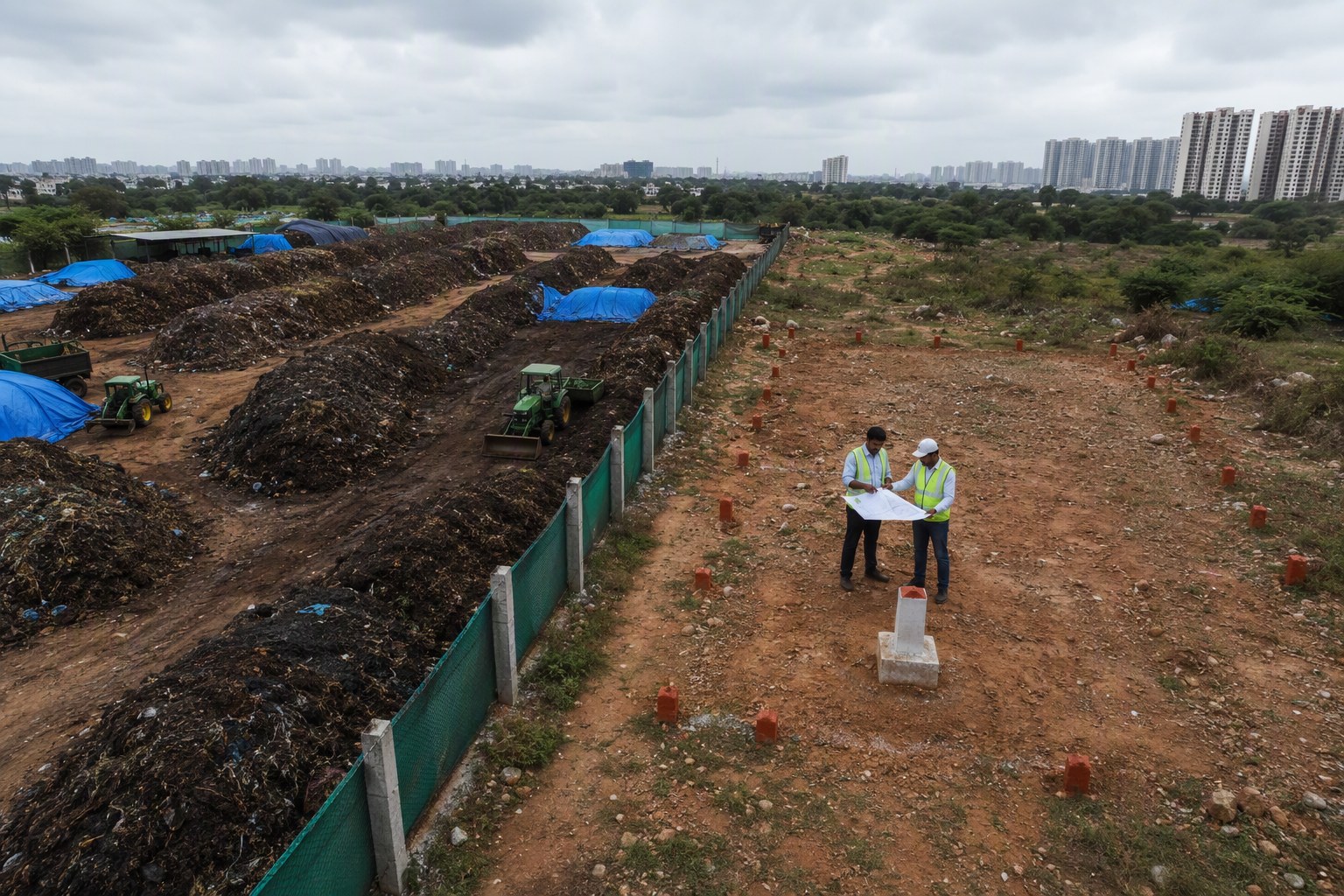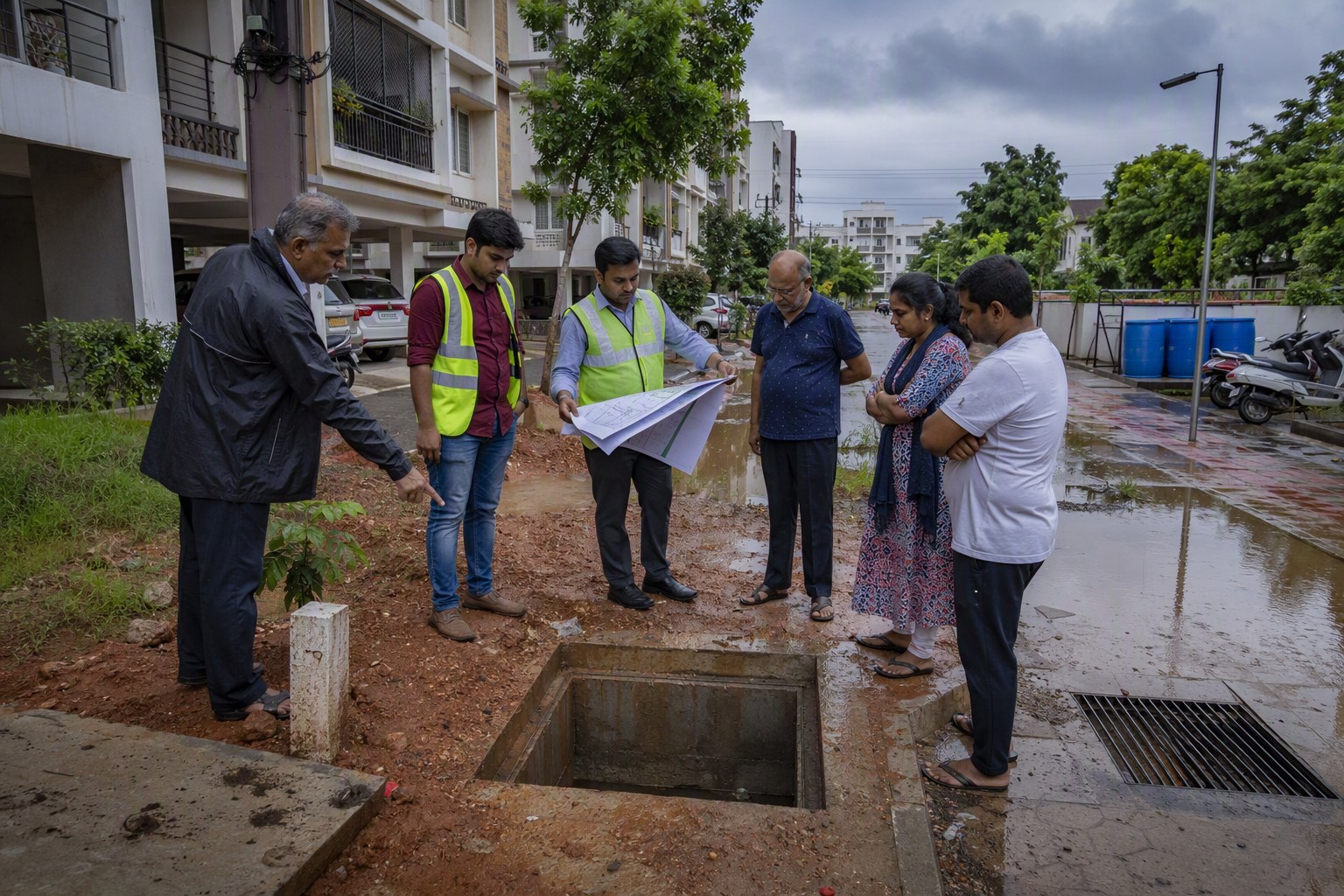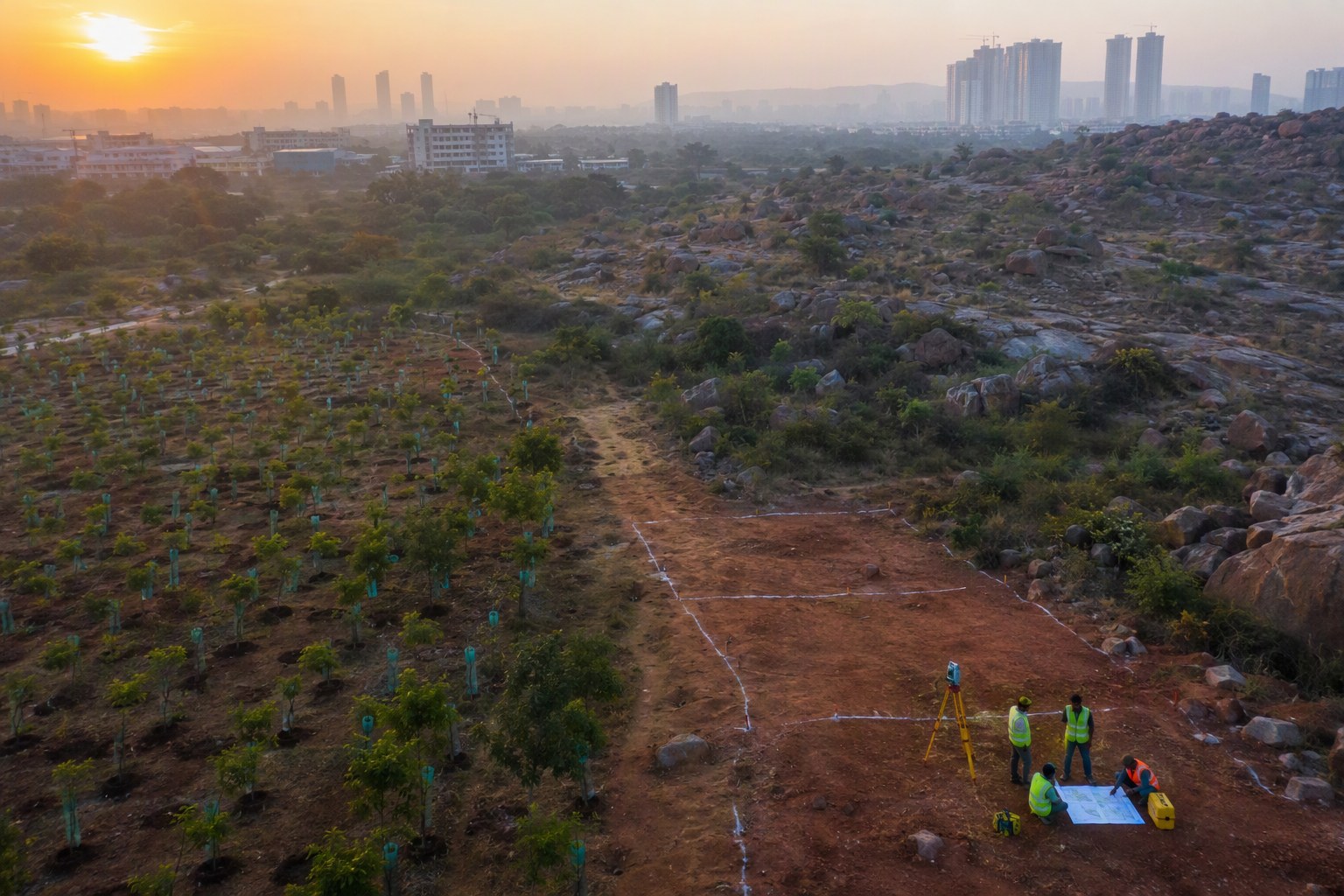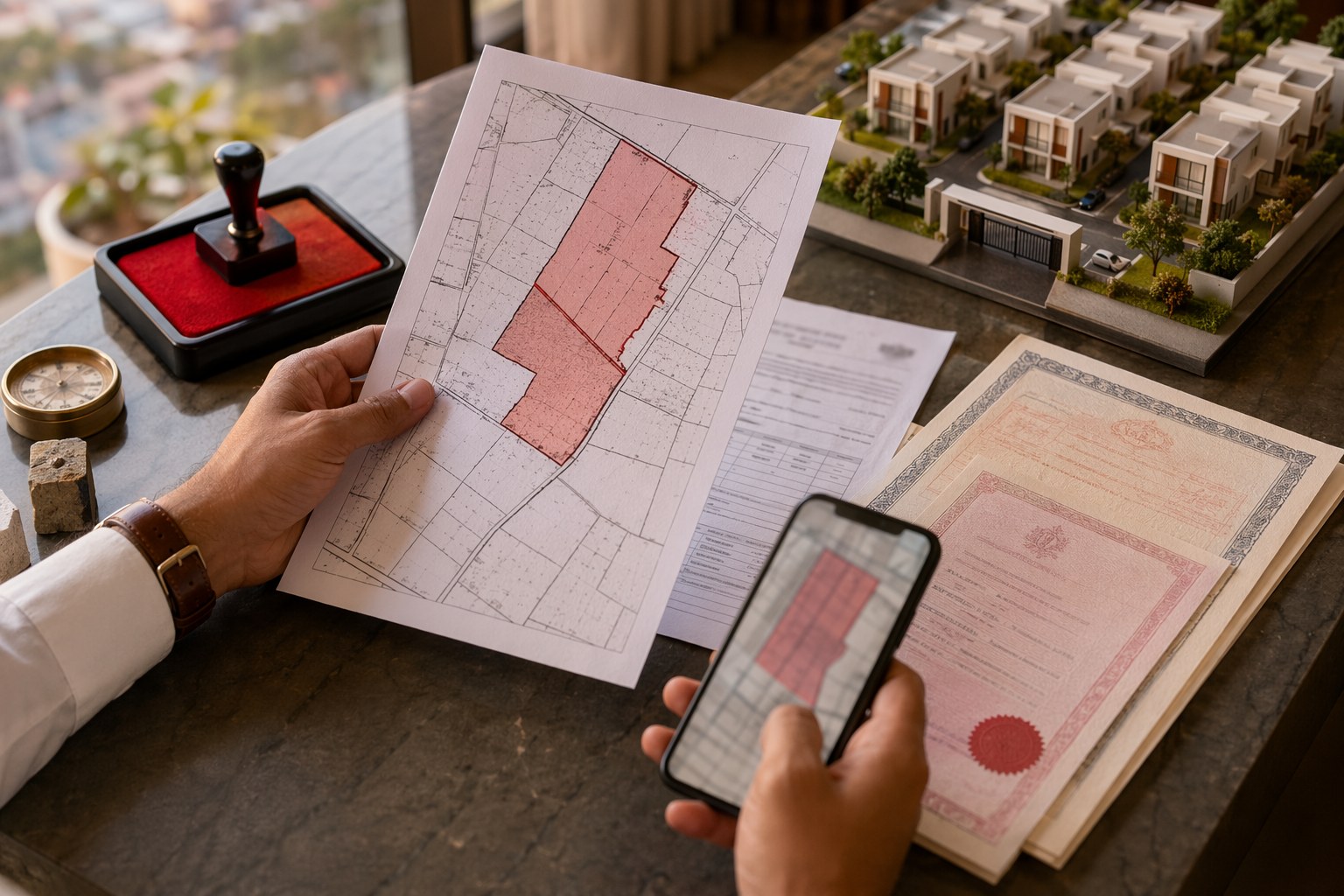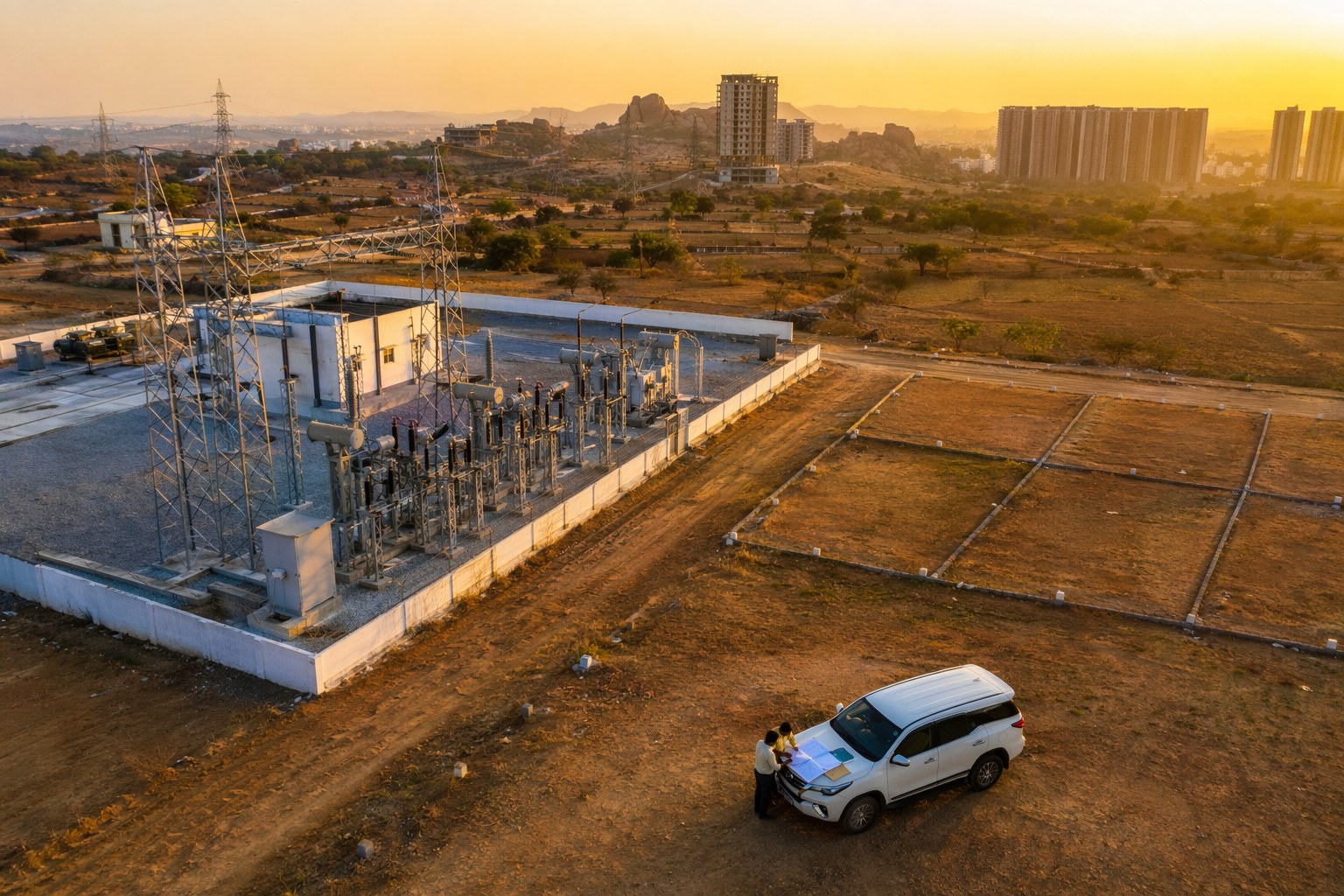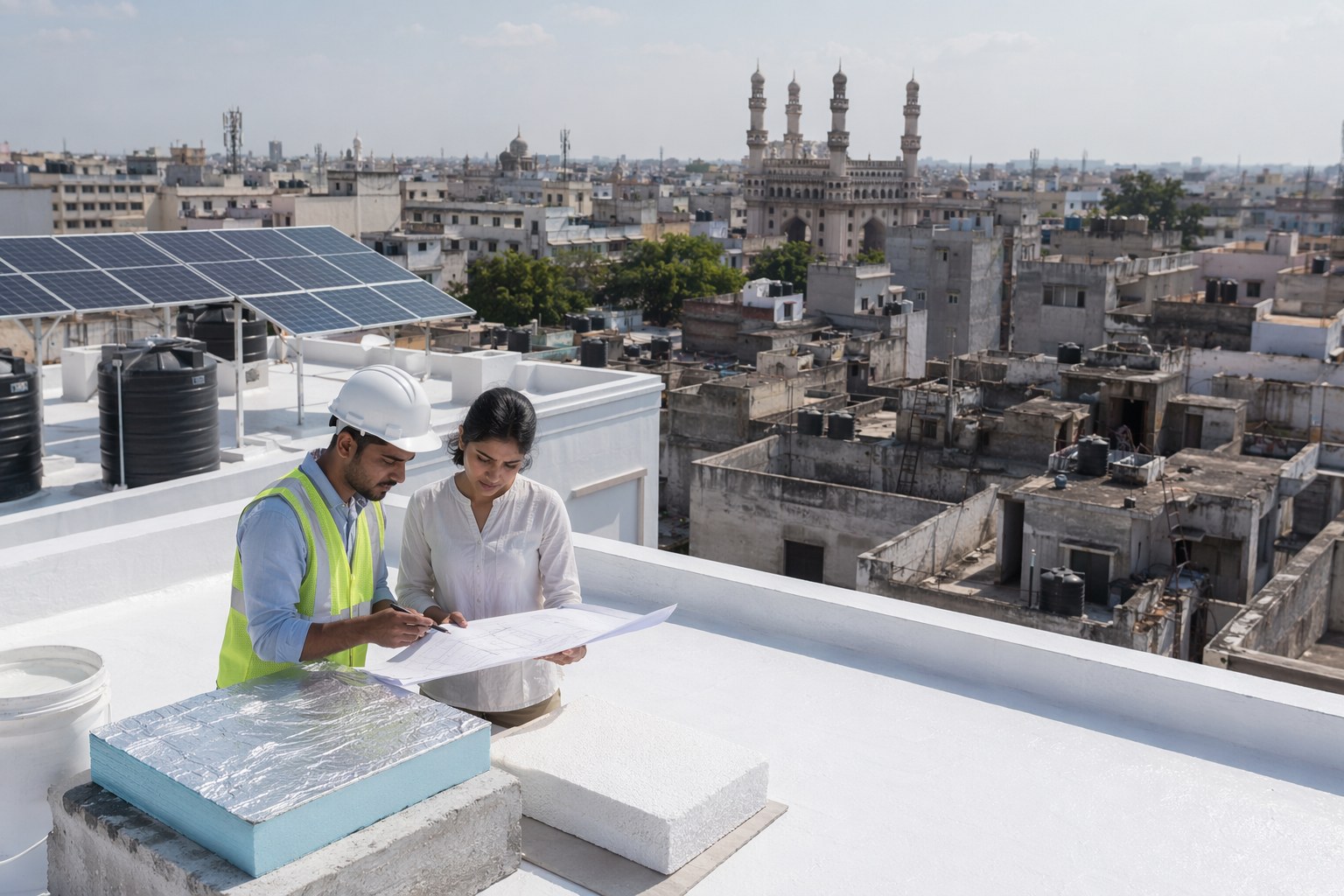
Hyderabad Heat Plan discussions are no longer only about public parks, bus shelters and civic advisories. The next impact may be inside housing project specifications, apartment sale agreements and buyer due diligence checklists. In our experience, once GHMC, HMDA and local bodies start treating heat resilience as a planning issue, builders in areas like Kokapet, Gachibowli, Narsingi, Bachupally, Uppal and Shamshabad cannot keep calling cool roofs a small optional feature.
The news point is simple: rising heat preparedness in Hyderabad could slowly move from civic policy into private housing documentation. That means purchasers may begin asking whether a project has reflective roof treatment, terrace insulation, shaded common areas, heat-safe open spaces and maintenance clauses for these features after handover.
Hyderabad Heat Plan: why cool roofs may enter sale agreements
Cool roof clauses are likely to become more common because buyers are now looking beyond carpet area, amenities and possession dates. In Hyderabad, terrace heat is a real lived issue, especially in top-floor flats, low-rise gated communities and villas on the city’s growth edges.
Developers already mention specifications such as flooring, doors, electrical points and lifts in the agreement or annexure. The same format can easily carry a clause on roof finish: whether the terrace will have reflective coating, high-albedo tiles, insulation layer, waterproofing-compatible treatment or any other heat-reducing material approved in the project design.
For projects in Serilingampally mandal, especially Gachibowli, Kondapur, Nanakramguda and Tellapur-side demand pockets, this can become a sales differentiator. In Rajendranagar mandal, around Attapur, Bandlaguda Jagir and Manikonda belt, terrace heat matters for both apartments and independent floors. In Medchal-Malkajgiri side growth corridors such as Kompally, Bachupally, Miyapur and Kukatpally, the same buyer question is coming up in site visits: “How hot will the top floor become in May?”
My view is that cool roof language will first enter brochures and technical specification sheets. After that, cautious buyers will ask for it in the agreement schedule. That is how many ‘nice-to-have’ features become enforceable promises.
Hyderabad Heat Plan and buyer due diligence before booking
The Hyderabad Heat Plan angle matters because housing buyers usually check title, RERA, layout approval, loan eligibility and price. Heat resilience has not been treated with the same seriousness. That may change.
Before paying a booking amount, buyers should ask for written answers on three points:
- What roof treatment is proposed for the terrace and podium areas?
- Is the cool roof system part of the sanctioned design, project specification or only a marketing claim?
- Who will maintain the coating, tiles or insulation after the association takes over?
This is not only about comfort. If a feature is used in advertising but missing from the sale agreement, proving the promise later becomes difficult. We have seen buyers fight over clubhouse timelines, transformer charges and parking markings. Cool roof commitments can also become a dispute if the language is vague.
Along with technical checks, do the normal property verification properly. Use RERA Project Lookup to check the registered project details, Encumbrance Certificate Search for title flow and Property Verification Tool before finalising a plot, villa or flat linked to land share.
What a practical cool roof clause can say
A buyer-friendly clause need not be dramatic. It should be clear. For example, the agreement schedule can mention that the developer will provide a reflective terrace finish or approved cool roof treatment as per the project specification, compatible with waterproofing, before handover. It should also say whether the warranty covers the treatment, and whether the apartment association must renew or maintain it later.
For villa projects in Gandipet, Moinabad, Maheshwaram, Shamirpet and Shamshabad-side locations, roof responsibility may differ from apartment projects. In a villa, the owner may control the roof. In an apartment, the terrace is generally a common area. That distinction matters. If the terrace is common, the association’s maintenance rules should mention whether residents can install solar panels, water tanks, private shade structures or reflective coating independently.
Buyers should also compare the clause with approved plans and project permissions. If a builder promises heavy terrace landscaping, solar pergolas or special roof systems, ask whether load, drainage and access have been considered. For built-up area and planning checks, tools like FSI/FAR Calculator, Road Width Check and Land Use Zone Finder help buyers understand the planning context before taking a call.
Why Hyderabad builders may not resist it for long
Good builders may actually welcome cool roof clauses if the terms are fair. A clear specification protects both sides. The buyer knows what is being delivered. The developer avoids later allegations that the project was sold as heat-resilient without any defined scope.
In premium micro-markets like Kokapet, Financial District, Jubilee Hills extension pockets, Narsingi and Puppalaguda, heat-resilient design can sit alongside EV charging, rainwater harvesting, STP reuse and solar lighting as a serious specification. In budget and mid-market projects around Hayathnagar, Adibatla, Patancheru, Isnapur and Dundigal, even a basic reflective terrace finish can improve buyer confidence if honestly disclosed.
The challenge will be enforcement. A brochure line saying “eco-friendly cool roof” is not enough. A sale agreement annexure saying the roof will be finished with a specified reflective treatment before handover is much stronger. If the RERA filing, construction specification and handover checklist also align, the buyer stands on firmer ground.
Heat resilience should not distract from title checks
While cool roof clauses are useful, buyers should not forget the land side. Telangana has a large volume of restricted and sensitive property records. As per latest IGRS-related database records available with us, 3,076,153 properties are listed under Section 22-A prohibited properties. That is not a small background risk for buyers dealing with plots, farm land conversions, peripheral layouts or older title chains.
So, if you are buying in fast-growing mandals such as Shankarpally, Chevella, Maheshwaram, Kandukur, Medchal, Quthbullapur or Abdullapurmet, do not stop at the site visit. Check whether the survey number has any restriction, government land issue, endowment link, assigned land concern or registration bar.
Use Section 22-A Prohibited Property Check, Survey Number Finder and Find Your SRO Office before you pay a major advance. For price and registration planning, check Market Value / Guideline Value Search and Stamp Duty Calculator. Ready reckoner value is not one flat Hyderabad rate; it changes by village, ward, road influence and SRO jurisdiction.
What buyers should ask the builder this week
If you are visiting a project in Hyderabad or the surrounding HMDA region, ask these direct questions:
- Is cool roof treatment included in the written specifications?
- Will the terrace surface remain accessible for maintenance?
- Is the roof waterproofing warranty affected by reflective coating or tiles?
- Who pays for renewal after handover: builder, association or individual owners?
- Is the promised heat-resilience feature shown in the RERA specification or only in the brochure?
In our experience, serious developers answer these questions without irritation. If the sales team avoids written confirmation, treat that as a signal to slow down. A cool roof promise is useful only when it survives beyond the sample flat conversation.
The Hyderabad Heat Plan may begin as a civic response to rising urban heat, but the property market will translate it into documents. That is where buyers must be alert. Ask for the clause, read the annexure, verify the project, and then decide whether the price matches the specification being sold.
Frequently Asked Questions
Will Hyderabad Heat Plan measures make cool roofs compulsory in all housing projects?
There is no blanket rule to assume for every project. But heat-resilience measures can influence building specifications, tender conditions, RERA disclosures and buyer expectations over time.
Should a cool roof promise be included in the sale agreement?
Yes, if the builder is using it as a selling point. Ask for it in the technical specification or agreement annexure, with clarity on material, handover condition and maintenance responsibility.
Is a brochure claim enough proof of cool roof work?
A brochure helps, but it is weaker than an agreement clause, RERA specification or written builder undertaking. Buyers should collect written confirmation before booking.
What property checks should I do along with heat-resilience checks?
Check RERA registration, EC, SRO jurisdiction, guideline value, survey number and Section 22-A status. Heat comfort matters, but title safety comes first.