Telangana Bulk Land Deals May Add 22-A Indemnity Holdbacks
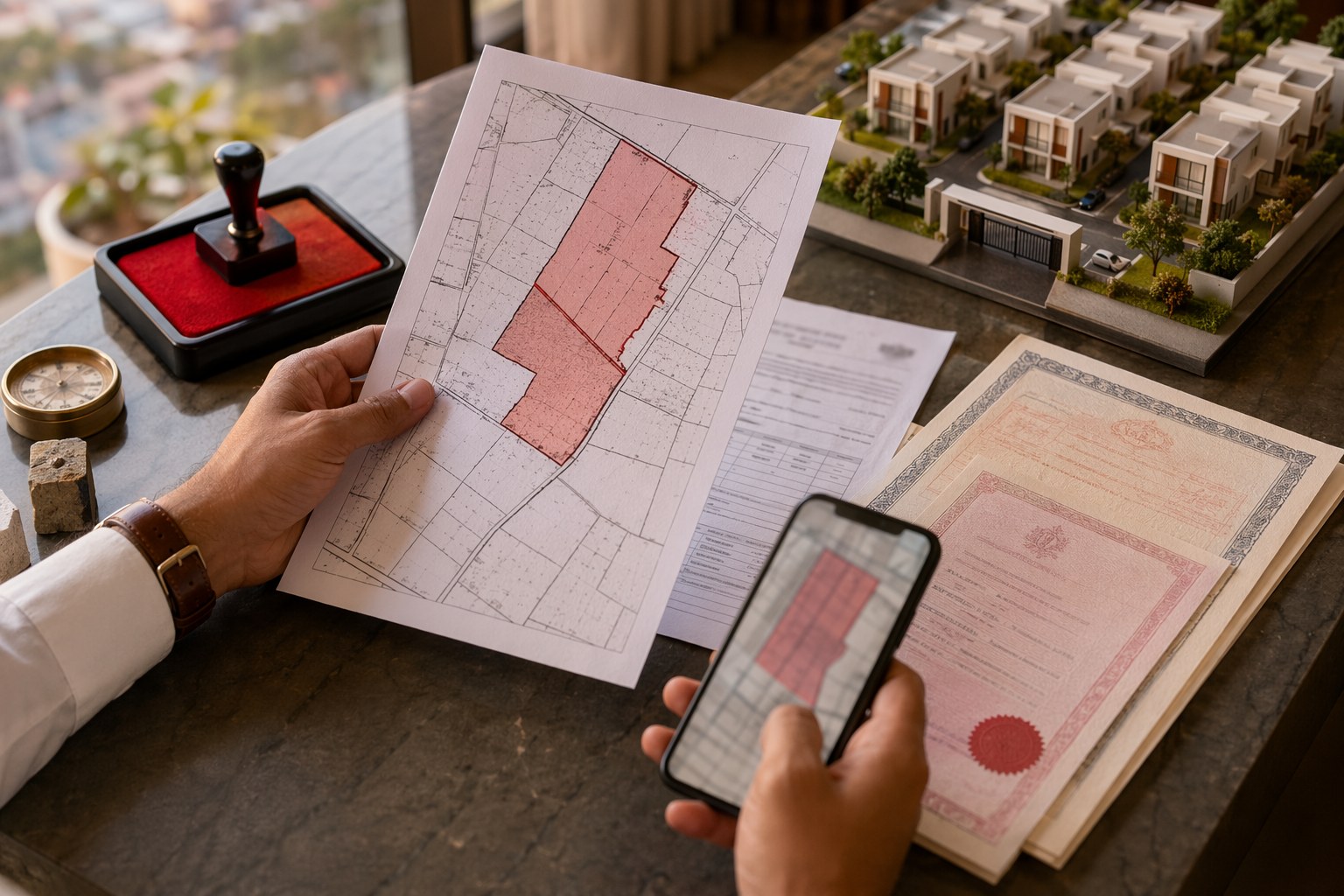
Telangana Bulk Land Deals may start seeing a sharper contractual response to Section 22-A risk: indemnity holdbacks. In simple terms, buyers in large land transactions may retain part of the sale consideration in escrow or under a deferred payment clause when title checks show possible prohibited property exposure. This is not a new government charge. It is a private deal protection mechanism, and in our experience, it can become a serious negotiation point in Hyderabad’s land market.
The trigger is the scale of the 22-A issue. As per latest IGRS-linked property data available with Verified.RealEstate, Telangana has 3,076,153 prohibited property records under Section 22-A. That single number explains why institutional buyers, plotted-layout developers, warehousing players and family offices are becoming more careful before signing large land purchase agreements.
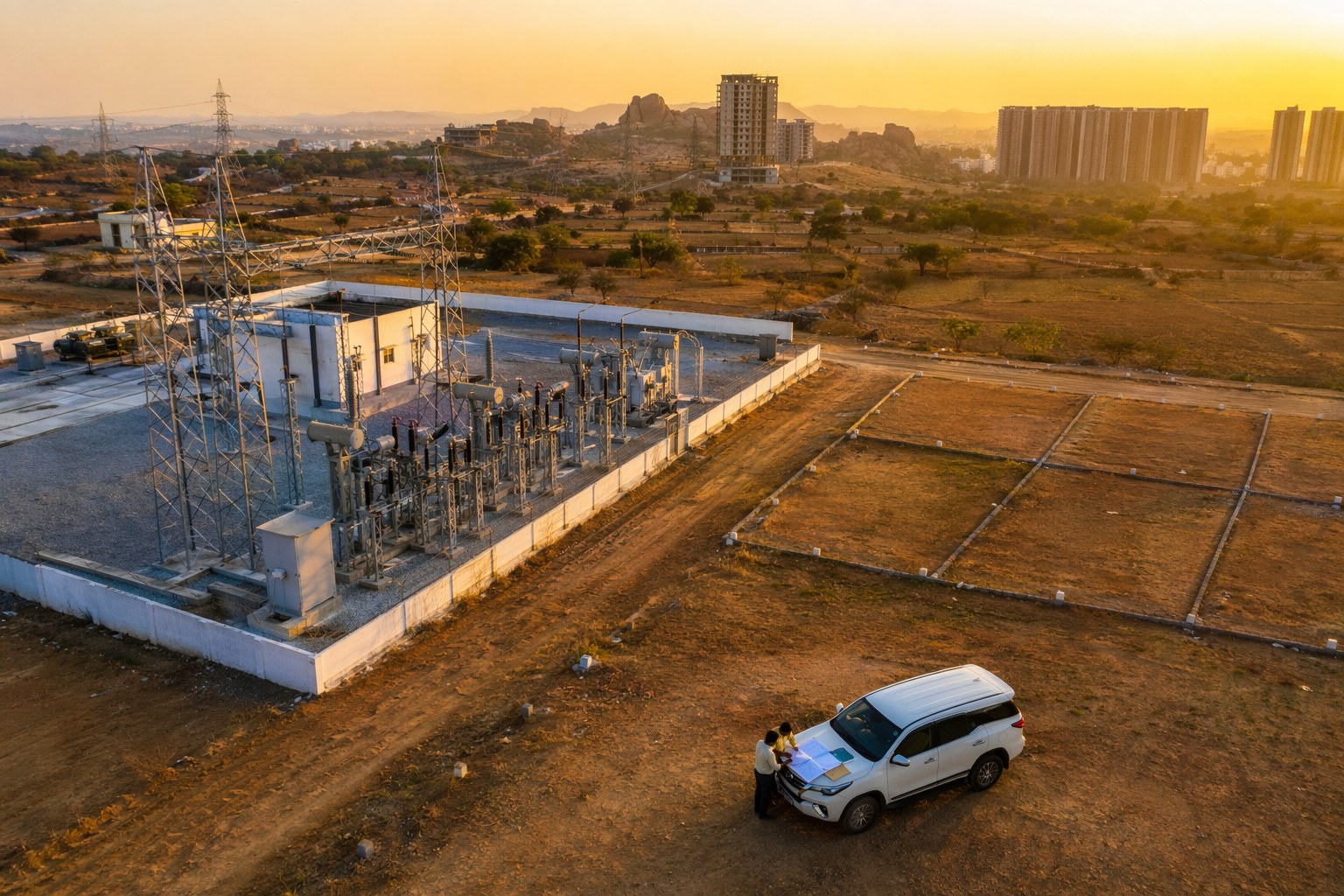
For land parcels around Kokapet, Gandipet, Kollur, Mokila, Shankarpally, Maheshwaram, Adibatla, Patancheru and Shamshabad, title checks are no longer limited to an EC and old sale deeds. Buyers are increasingly asking: is any survey number, sub-division, old pattadar reference, assignment history or government claim touching the land?
Why Telangana Bulk Land Deals Are Looking At 22-A Holdbacks
Section 22-A risk can block registration, delay mutation, disturb funding, or create a future litigation over title. In a normal apartment resale, the buyer may simply walk away if the title is doubtful. But in bulk land deals, the situation is more layered. The land may be assembled from several pattadars. One parcel may be clean, another may have a Dharani mismatch, and a third may show a 22-A flag at survey number level.
That is where an indemnity holdback comes in. Instead of cancelling the full transaction, the buyer may propose that part of the consideration be held back until the seller clears the title issue, obtains clarification, completes mutation, or secures a clean registration path at the concerned SRO.
We have seen this logic being discussed especially in deals where developers are aggregating land across revenue villages. For example, a buyer assessing land near Shankarpally mandal may find that ownership papers look fine, but the survey number history needs cross-checking with pahani, Dharani entries and SRO records. In Maheshwaram or Shamshabad-side transactions, older assignment, ceiling, endowment, Wakf, forest or government land references may need deeper checking before money changes hands fully.
How A 22-A Indemnity Holdback Works In Telangana Bulk Land Deals
An indemnity holdback is usually written into the agreement of sale, sale deed support documents, escrow instructions, or a side indemnity agreement. The buyer does not say the seller has done anything wrong. The buyer says: “If a government restriction, prohibited property entry, claim, or registration block appears, I need financial protection.”
In practical terms, the structure can look like this:
- A portion of the sale consideration is retained until the 22-A issue is cleared.
- The seller gives an indemnity that covers losses arising from defective title or prohibited property status.
- The buyer may insist on a specific cure period for Dharani correction, SRO clarification, or revenue record update.
- Funds may be released only after EC, Dharani, pahani and registration records match the agreed title position.
- In higher-risk parcels, the buyer may keep termination rights if the 22-A problem is not resolved.
For buyers, this reduces the risk of paying full money and then getting stuck. For sellers, it can feel like a discount without calling it a discount. That is why negotiations can become sensitive. A landowner in Kollur or Mokila may say, “My title is clear, why should you hold back payment?” The buyer’s lawyer may respond, “The documents are good, but the survey-number-level government record still needs closure.”
What Section 22-A Means For Land Buyers
Section 22-A generally refers to properties where registration is prohibited or restricted under government records. For a buyer, the risk is not only about whether one old document exists. The bigger question is whether the registration department will accept the transaction when it reaches the SRO.
Before signing a bulk land deal, buyers should run three layers of checking. First, check the survey number and village record. The Survey Number Finder is useful when parties only have partial location details. Second, verify whether the land is under any prohibited property list using the Section 22-A Prohibited Property Check. Third, examine past transactions through the Encumbrance Certificate Search and then map the findings with title deeds and revenue records.
For plotted development or apartment projects, buyers should also check whether the proposal fits the local planning framework. The Land Use Zone Finder, FSI/FAR Calculator and Road Width Check can help flag planning-side issues before the legal team spends weeks on documents.
What May Change In Telangana Bulk Land Deals
| Deal Area | Likely Change | Why It Matters |
|---|---|---|
| Agreement of sale | More detailed title warranties and seller indemnities | Buyers want written protection if 22-A or revenue record issues arise later |
| Payment schedule | Deferred payments or escrow-style holdbacks | Part of the consideration may be released only after title clearance |
| Due diligence | Survey-number-level checks before token advance | A broad village search is not enough for assembled land parcels |
| SRO verification | Early check with jurisdictional registration office | Parties want to know registration risk before final documentation |
| Developer planning | Land use and access checks at the same time as title review | A clean title alone does not make a project feasible |
One practical change we expect is earlier use of the Find Your SRO Office tool. Many buyers still start with broker maps and Google pin locations. That is not enough. In Telangana, the correct village, mandal, survey number and SRO jurisdiction decide how the transaction will move.
Seller Concerns: Will Holdbacks Reduce Land Value?
Not necessarily. A holdback is not the same as a price cut. But it affects cash flow. If a seller needs full upfront payment, an indemnity holdback can become a deal-breaker. If the seller has clean records and confidence in the title, a limited holdback with a clear release timeline may be acceptable.
From the seller side, the best defence is preparation. Keep old pahanis, link documents, pattadar passbook references, mutation proceedings, Dharani extracts, tax receipts and family settlement papers ready. If there was any past regularisation, assignment, court case or correction application, disclose it early. Hidden issues usually become more expensive during final legal scrutiny.
In Hyderabad land transactions, uncertainty costs money. If the buyer discovers a 22-A risk late, the holdback demand will usually be tougher than if the seller disclosed the issue at the first title meeting.
Sellers should also avoid casual assurances like “registration will happen, don’t worry.” Buyers funding a large land purchase will ask for written comfort. Their lawyers will compare EC, Dharani, pahani and SRO-level data. If the records do not speak the same language, the deal documents will become stricter.
Buyer Checklist Before Agreeing To A Holdback
A holdback is useful only if it is drafted properly. Buyers should not accept vague wording. The agreement must say what risk is being covered, what amount is being retained, who will hold the money, when it will be released, and what happens if the seller cannot cure the defect.
- Identify the exact survey numbers affected by the 22-A concern.
- Confirm village, mandal and SRO jurisdiction before drafting.
- Run EC and prohibited property checks before paying a major advance.
- Link every sale deed to revenue records, not just to previous registered documents.
- Use the Market Value / Guideline Value Search to understand official valuation references.
- Estimate transaction outgo through the Stamp Duty Calculator before finalising payment schedule.
- Track post-agreement changes with the Property Change Tracker where ongoing monitoring is needed.
In large Hyderabad-side land purchases, I would not treat a 22-A check as a last-stage formality. It should happen before commercial closure. Once token advance is paid and public expectations are created, nobody likes renegotiating. That is when disputes start.
The Bigger Signal For Telangana Land Market
The rise of indemnity holdbacks, if it becomes common, will show a more mature land market. Earlier, many land deals were closed on relationship comfort, local reputation and broker assurance. That still matters, especially in mandal-level land aggregation. But serious capital now wants document-backed comfort.
For Hyderabad’s growth corridors, this is a healthy correction. Buyers get protection. Sellers with clean records can command better confidence. Properties with unresolved 22-A, Dharani or revenue mismatches will not automatically become unsaleable, but the deal structure may become stricter.
The message is simple: in Telangana bulk land deals, price is only one part of negotiation. Title risk, registration certainty, SRO comfort and revenue record consistency are now equally important. With 3,076,153 prohibited property records in the system, nobody serious can afford a casual title check.
Frequently Asked Questions
What is a 22-A indemnity holdback in a Telangana land deal?
It is a private contract arrangement where the buyer retains part of the sale consideration until a Section 22-A or title-related risk is cleared. It is not a government fee.
Does a Section 22-A entry mean the land can never be sold?
Not always. Some entries may need clarification, correction or government-side resolution. But buyers should not proceed without checking the exact survey number, village, mandal and SRO records.
Who benefits from an indemnity holdback?
Buyers get protection against title and registration risk. Sellers can still close a deal if they agree to a clear release mechanism after the issue is resolved.
Which checks are essential before buying bulk land in Hyderabad growth corridors?
Check EC, Section 22-A status, Dharani records, pahani, link documents, SRO jurisdiction, land use zone, road access and guideline value before paying a major advance.