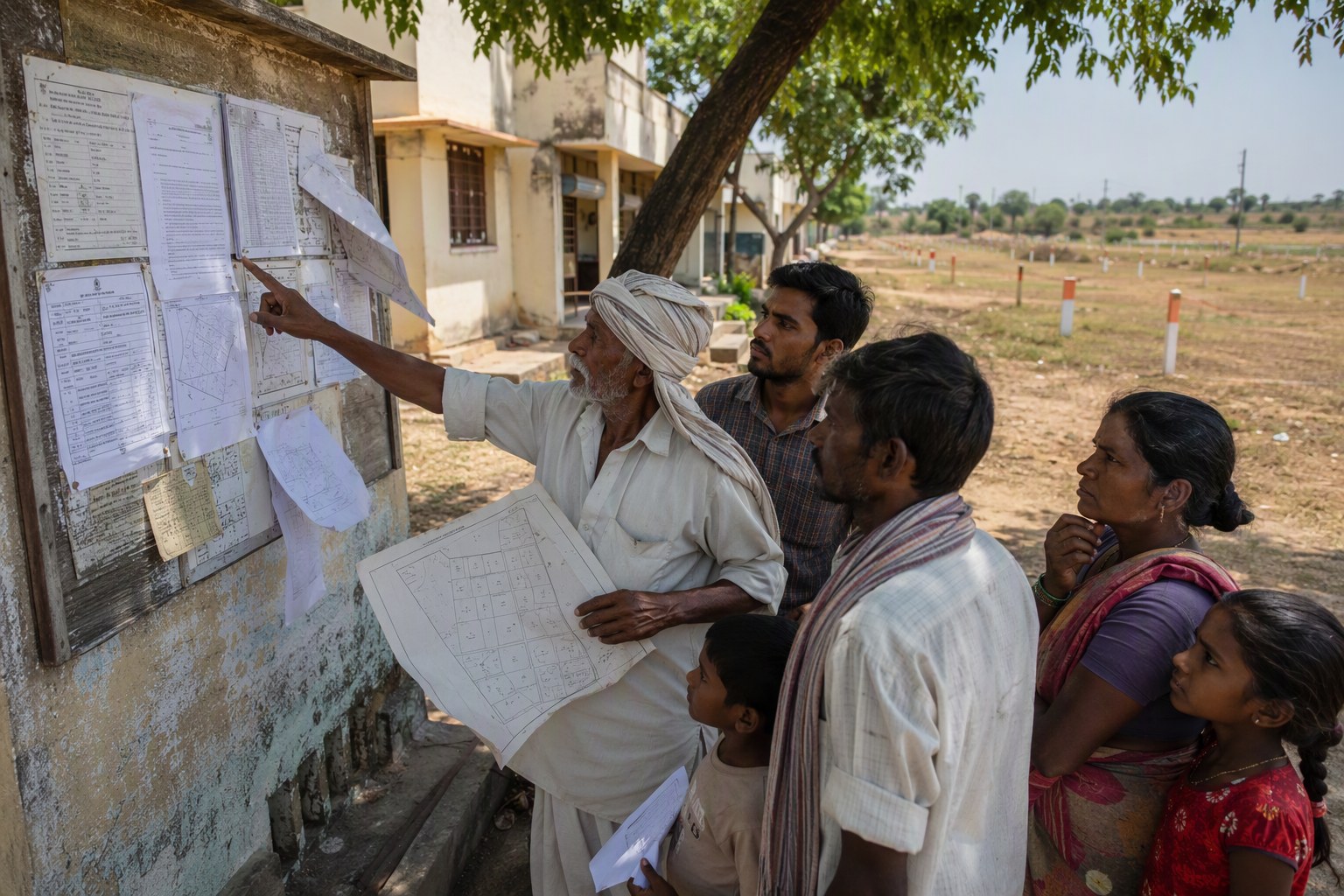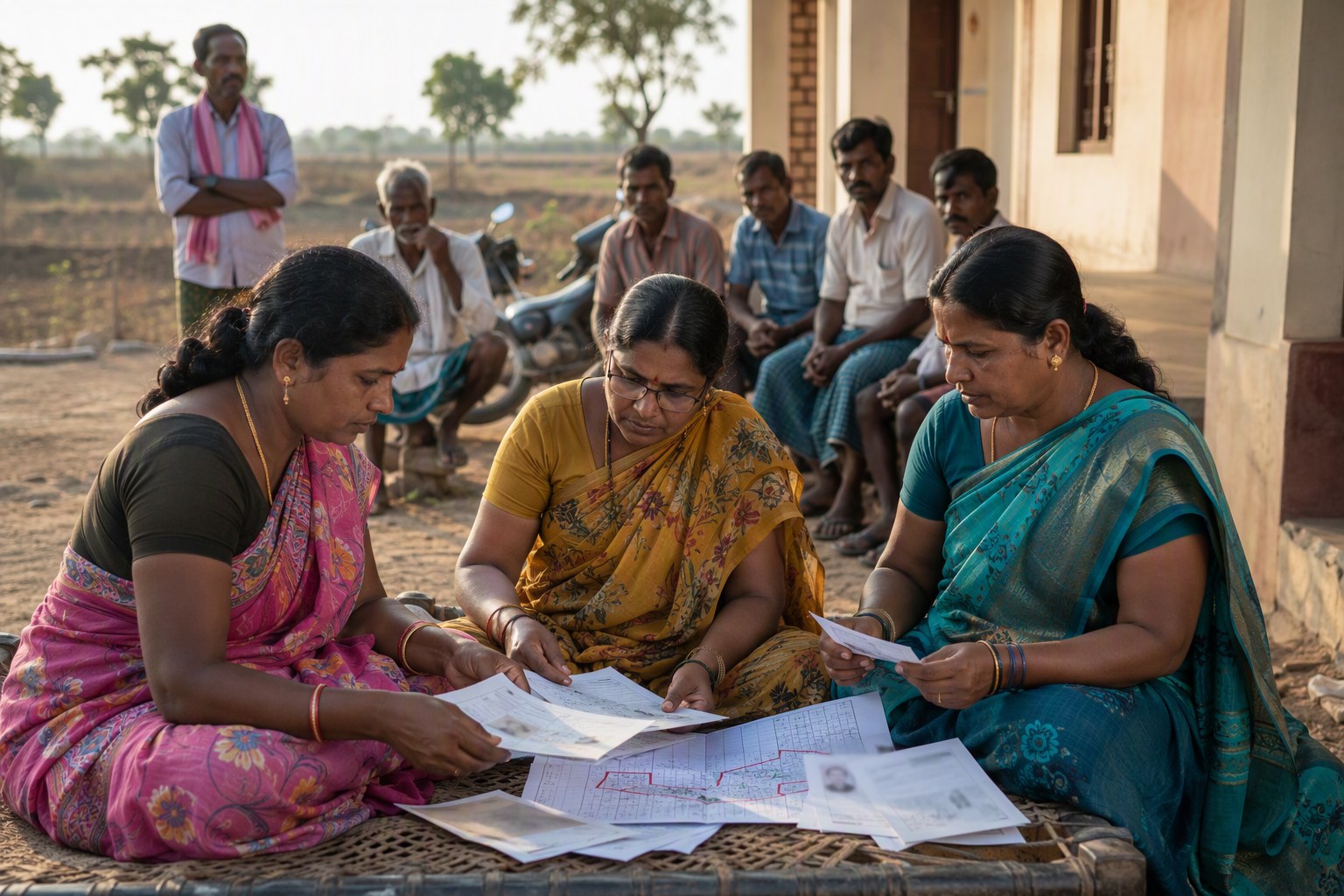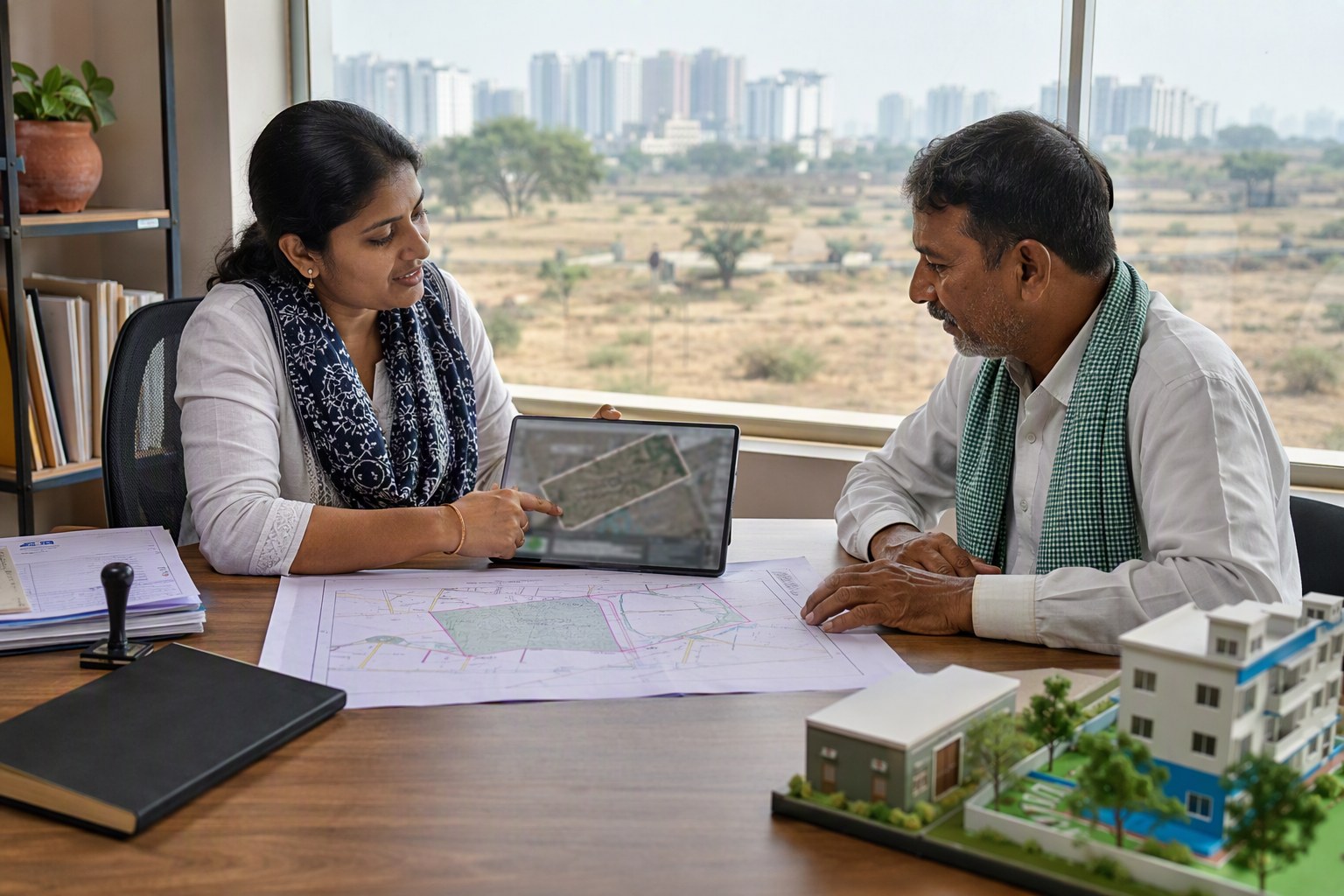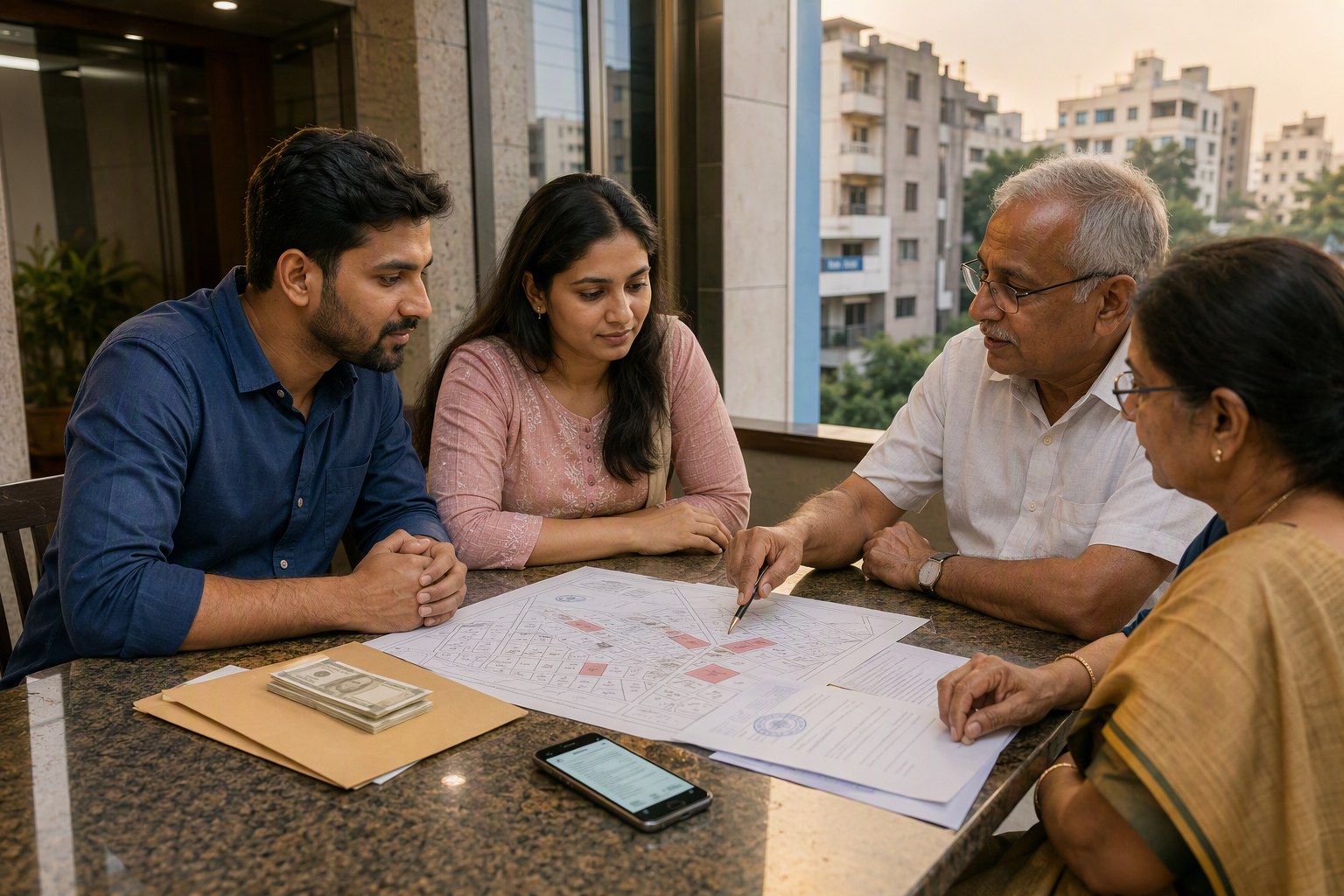
Women’s SHGs May Lead 22-A Awareness Drives in Telangana as property buyers, farmers, heirs and small investors continue to face confusion around Section 22-A prohibited properties. As per latest IGRS data available with Verified.RealEstate, Telangana has 3,076,153 prohibited properties recorded in the 22-A database. That is not a small clerical issue. It is a public awareness problem sitting at the village, ward and colony level.
The idea being discussed in real estate and community circles is simple: women’s self-help groups, already trusted in many villages and urban bastis, can become the first line of explanation for 22-A risks. They may not replace lawyers, SRO officials or revenue officers. But they can stop families from paying advance money blindly on land that later cannot be registered.
Women’s SHGs May Lead 22-A Awareness Drives in Telangana: why this matters now
Section 22-A is one of the most misunderstood parts of property buying in Telangana. In plain English, it refers to categories of properties that are prohibited from registration. A buyer may have money ready, a seller may have old documents, and the land may look perfectly fine on ground. Still, if it appears under 22-A, the Sub-Registrar Office may refuse registration.
We’ve seen this confusion often around village outskirts of Hyderabad, especially in areas where agricultural land, assigned land, government land claims, old layouts and inheritance transactions overlap. Talk to buyers in Abdullapurmet mandal, Shankarpally mandal, Maheshwaram mandal, Moinabad mandal, Medchal mandal or Ghatkesar mandal, and one common sentence comes up: “Sir, document undi kada, registration aipothundi anukunna.” Having a document is not the same as having a clean, registrable title.
This is exactly where women’s SHGs can help. Their strength is local trust. A bank manager may not know every survey number dispute in a village. A buyer from Hyderabad city may not know the history of a plot near Chevella, Kandukur or Yacharam. But local SHG members often know which lands have long-running issues, which families are selling under pressure, and which layouts need careful checking.
In our experience, the biggest 22-A losses happen before the buyer reaches the SRO. The damage starts when advance money is paid without checking the survey number, pahani history, EC and prohibited property status.
Women’s SHGs May Lead 22-A Awareness Drives in Telangana at village level
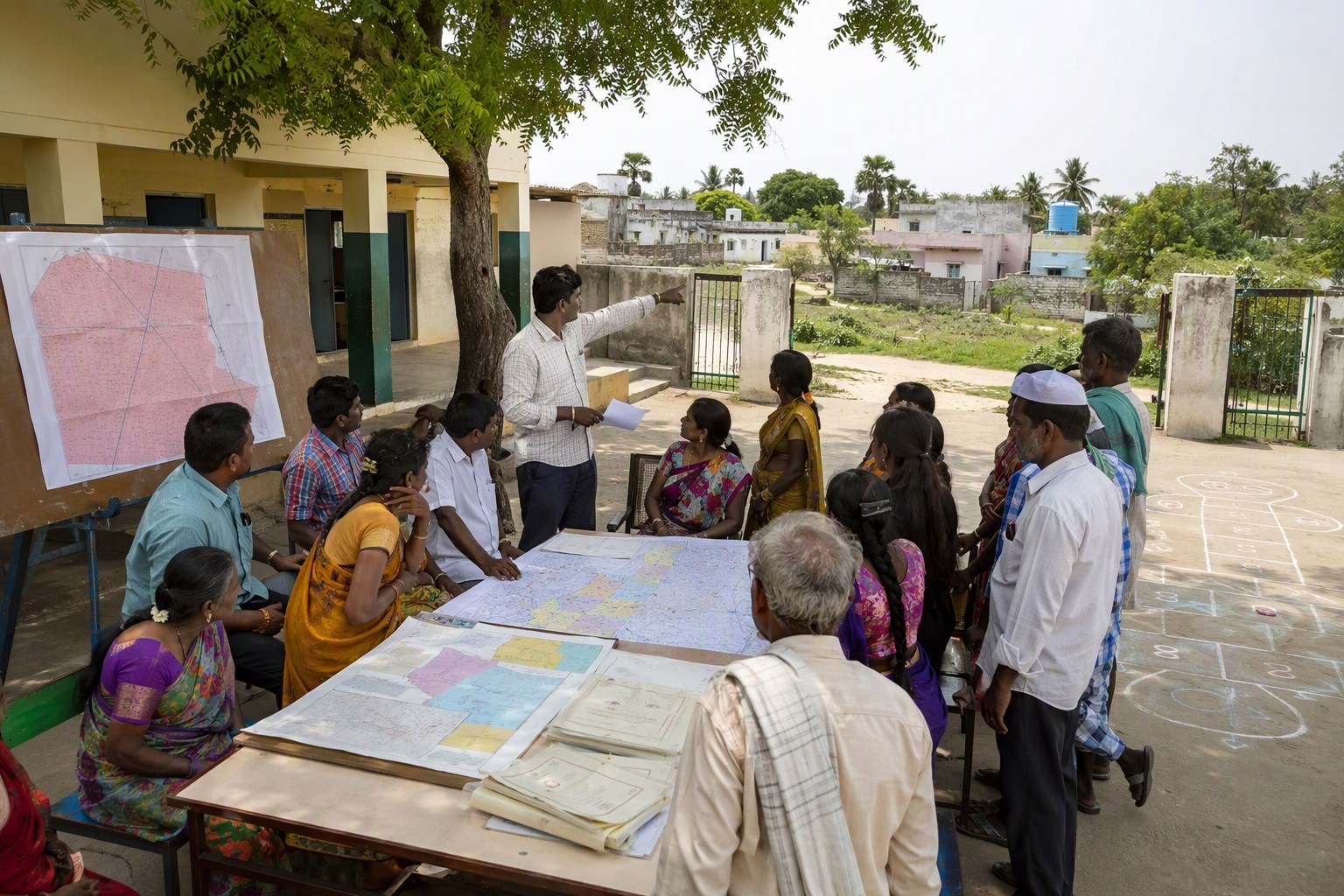
A 22-A awareness drive led through SHGs can be practical, not lecture-type. The meetings can happen at gram panchayat offices, DWCRA group meetings, ward sabhas, rythu vedikas, urban community halls and apartment welfare gatherings. The focus should be on small, repeated messages:
- Do not pay token advance without checking whether the survey number is in the prohibited property list.
- Match the survey number, village name, mandal and extent carefully. Similar names can mislead buyers.
- Ask for recent revenue records, not only old sale deeds.
- Check the Encumbrance Certificate, but do not assume EC alone proves that registration is safe.
- Find the correct SRO before planning registration.
- For flats, check RERA where applicable, sanctioned layout details and land title background.
SHG members can also direct families to simple digital checks. For instance, before finalising a land purchase, buyers can use the Section 22-A Prohibited Property Check, verify basic land details through the Survey Number Finder, and locate the correct registration jurisdiction using Find Your SRO Office. These tools do not replace legal due diligence, but they reduce blind risk.
How 22-A risk hits ordinary families, not only big developers
There is a wrong impression that prohibited property risk affects only builders or land aggregators. Actually, the pain is often sharper for middle-class and lower-middle-class families. A family buying a small plot near Patancheru, a retired employee investing in land near Ibrahimpatnam, or siblings selling ancestral land in a mandal near Medchal can all get stuck if 22-A is ignored.
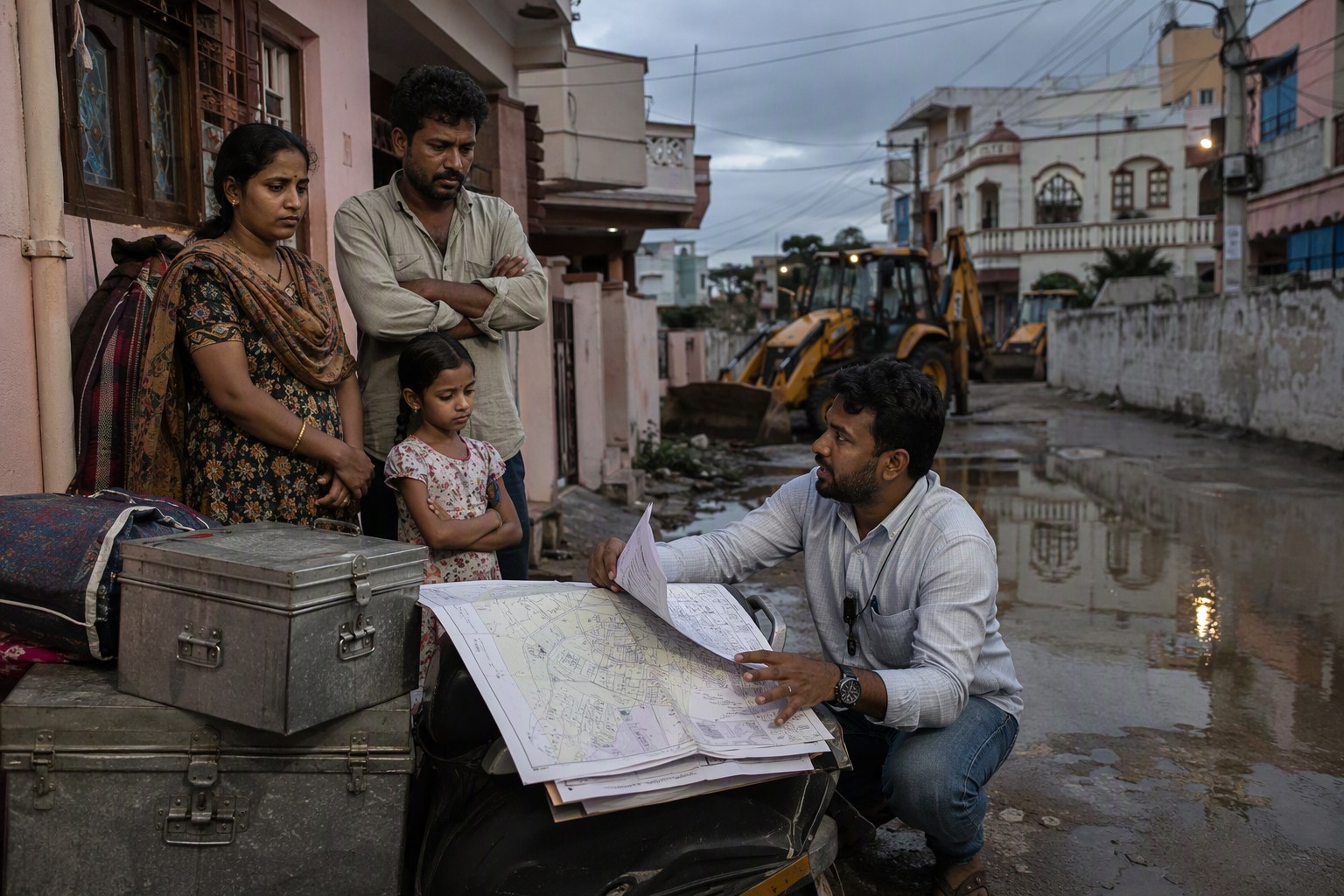
One common situation is the “advance trap”. The buyer pays an advance after seeing photocopies of pattadar passbook, old registered deed or link documents. Later, during document preparation, someone checks the 22-A status and finds a prohibition entry. The seller may say, “It will be cleared soon.” Sometimes that may be true. Many times, it is not so simple. The buyer’s money is then locked in arguments, notices and village-level pressure.
Another problem is half-knowledge around Dharani, pahani and SRO records. Dharani may show certain revenue details. The EC may show past transactions. The SRO may still be bound by prohibition entries. A clean-looking document set can still fail at registration if the underlying classification is hit by 22-A.
This is why SHG-led awareness can work better than one-time official publicity. Women’s groups already discuss savings, loans, health, education and welfare schemes. Adding “land checking before advance payment” to that conversation is natural. It also protects women’s savings, because many plot purchases in Telangana are funded through gold loans, chit funds, SHG savings or family borrowing.
What a practical SHG 22-A awareness kit should include
If Telangana wants to use SHGs for property awareness, the material should be simple and local-language friendly. A useful kit can include:
- A one-page Telugu explainer on what Section 22-A means.
- A checklist for buyers before paying advance.
- Sample format showing where survey number, village and mandal appear in documents.
- Clear warning that EC is necessary but not enough.
- List of local SRO offices and mandal revenue offices.
- Basic property terms explained in Telugu and English.
For terminology, SHG coordinators can point members to the Telugu-English Property Terms Dictionary. For buyers comparing official market values, the Market Value / Guideline Value Search can help them understand the ready reckoner side of a transaction. For document history, the Encumbrance Certificate Search and EC Analyzer are useful starting points.
Localities where awareness can make a visible difference
The need is not limited to one district. Around Hyderabad, land interest is active in places like Shankarpally, Mokila, Kollur, Tellapur, Narsingi, Adibatla, Tukkuguda, Ghatkesar, Bibinagar, Medchal, Kompally, Patancheru and Sangareddy side. Each locality has its own pattern: some have fast villa development, some have old gram panchayat layouts, some have agricultural land conversions, and some have disputed survey histories.
In rural mandals, the risk is often tied to survey number identity, assigned land history or government classification. In urbanising belts, buyers get confused between plot marketing material and actual title status. A colourful brochure cannot clear a 22-A entry. A WhatsApp location pin cannot prove ownership. A promise from a broker cannot override the SRO.
For flats and gated community buyers, 22-A checks still matter at the land level. Buyers should also use RERA Project Lookup where applicable and compare land, permissions and project details. For land buyers wanting a broader preliminary check, the Property Verification Tool gives a structured way to review risk points before spending on full legal scrutiny.
Why women’s groups may be more trusted than property agents
Let us be frank. In many property deals, the buyer hears only the optimistic version from the seller, broker or layout marketer. “Clear title”, “registration pakka”, “loan available”, “future HMDA chances” — these lines are used casually. SHG members, on the other hand, are not selling the land. That makes their role different.
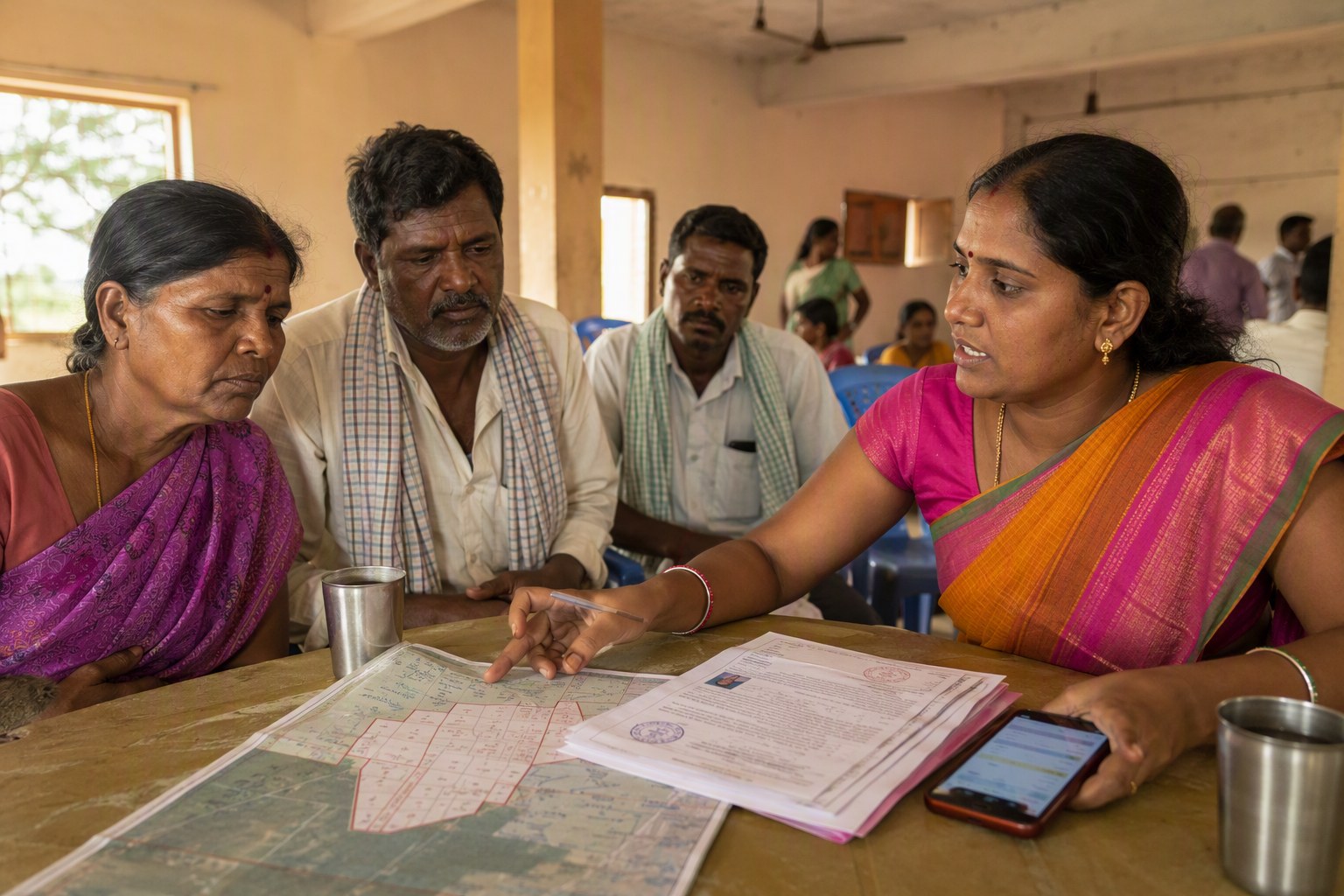
A trained SHG volunteer can say, “First check 22-A. Then check EC. Then confirm SRO. Then talk to a legal professional.” This small sequence can save a family from a bad decision. It also gives women more say in property discussions, which are often dominated by male relatives even when women’s savings are being used.
Government departments, banks, NGOs and real estate verification platforms can support this without turning SHGs into legal authorities. The role should be awareness, referral and checklist-based guidance. Final decisions must still depend on official records, legal opinion and SRO process.
The Verified.RealEstate view
Our view is clear: 22-A awareness should move closer to the people. Keeping the discussion only inside SRO offices or legal circles is not enough when the prohibited property database contains 3,076,153 entries. The number itself tells us that buyers need early warnings, not last-minute shocks.
Women’s SHGs are well placed to carry this message because they sit where property risk actually begins — in family conversations, village meetings, savings discussions and local trust networks. If even a few buyers in each mandal avoid paying advance on a prohibited property, the social benefit will be real.
For any buyer in Telangana, the safest order is simple: identify the exact survey number, check 22-A status, review EC, confirm SRO, study revenue records, and then take legal advice. Do this before money changes hands. Not after.
Frequently Asked Questions
What is a 22-A prohibited property in Telangana?
A 22-A prohibited property is a property that falls under categories restricted from registration under Section 22-A. If a property is listed, the SRO may refuse registration even if the seller has old documents.
How many prohibited properties are recorded in Telangana?
As per latest IGRS data available with Verified.RealEstate, Telangana has 3,076,153 prohibited properties recorded in the 22-A database.
Can women’s SHGs legally certify whether land is safe to buy?
No. SHGs should not certify title. Their role can be awareness and guidance: telling buyers to check 22-A status, EC, survey number, SRO jurisdiction and legal documents before paying advance.
Is an Encumbrance Certificate enough to avoid 22-A risk?
No. EC is useful for transaction history, but it does not by itself clear 22-A risk. Buyers should separately check prohibited property status and revenue records.
When should a buyer check 22-A status?
Check it before paying token advance or signing an agreement of sale. Once money is paid, recovering it can become difficult if the property later fails registration.