


Loan Against Property Rates May Reflect Telangana 22-A Risk
Loan Against Property Rates in Telangana may start reflecting a risk that many borrowers still underestimate: Section 22-A prohibited property status. As per latest IGRS data available with Verified.RealEstate, Telangana has 3,076,153 prohibited property records under Section 22-A. For banks, NBFCs and private lenders, this is not a small back-office issue. It goes straight to collateral quality, loan-to-value comfort, legal due diligence and, in many cases, the final pricing offered to the borrower.
In simple terms, if a property has even a possible 22-A shadow, the lender will not treat it like a clean flat in a registered RERA project at Kondapur or a clear-title independent house in Sainikpuri. The same borrower profile can receive a different response depending on whether the collateral sits in Serilingampally mandal, Gandipet mandal, Shankarpally, Maheshwaram, Ghatkesar, Shamshabad or Medchal, and what the land records say at survey number level.
Our view: Telangana’s large prohibited property base will make collateral verification more important than income verification in many loan against property cases, especially for open plots, old layouts and inherited lands.
Why Loan Against Property Rates Are Linked To 22-A Status
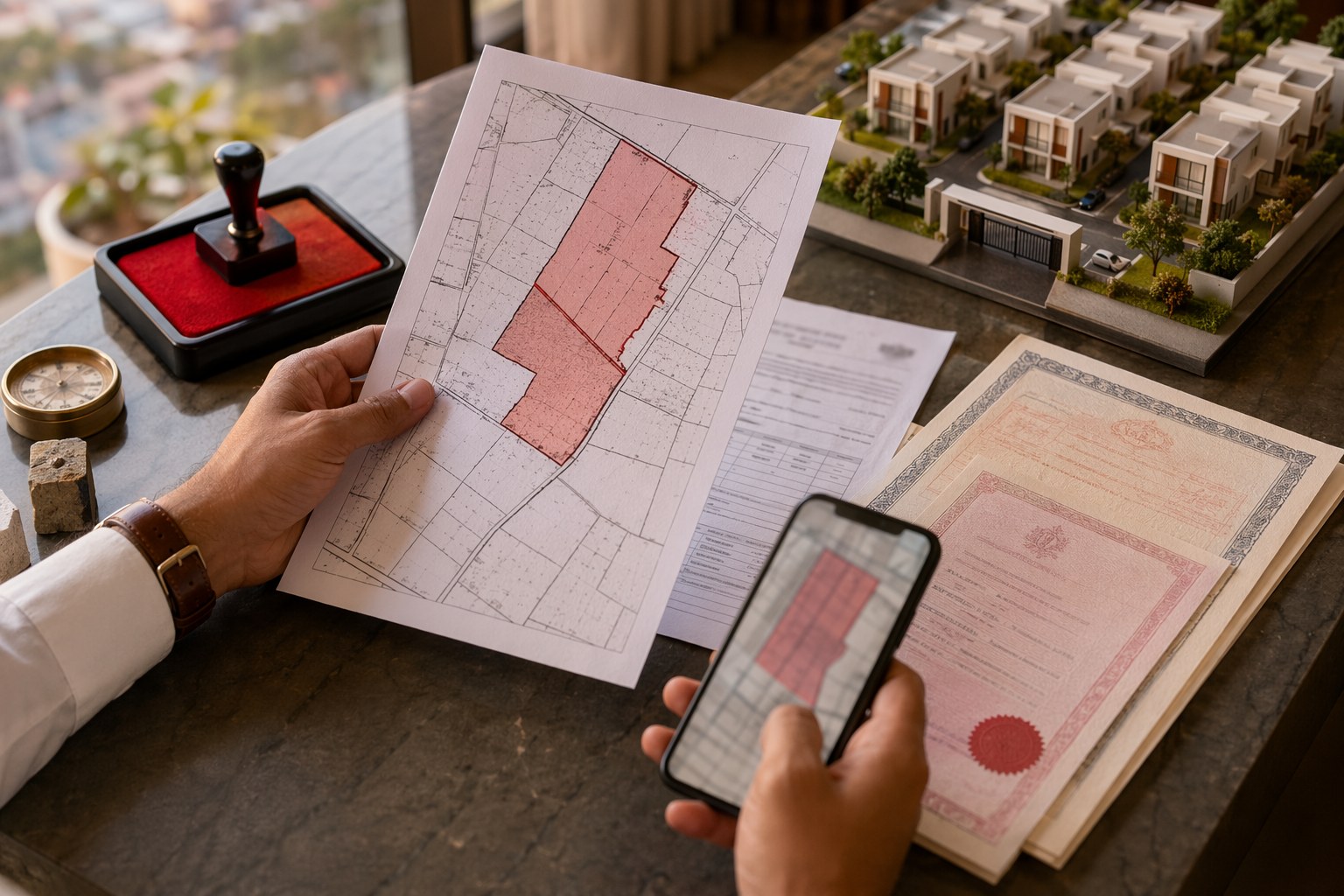
A loan against property is secured lending, but the security is only as good as the title behind it. Section 22-A entries generally relate to properties where registration is prohibited or restricted due to government interest, assigned land concerns, endowment/wakf issues, ceiling surplus issues, litigation flags or other notified reasons. A borrower may possess the land, pay property tax, or even have old sale deeds, but if the property appears in the prohibited list, registration and enforcement become difficult.
For a lender, that means one uncomfortable question: if the borrower defaults, can this asset be sold cleanly and quickly? If the answer is doubtful, pricing naturally changes. The lender may reduce the sanctioned amount, ask for alternate collateral, insist on stronger co-borrowers, or reject the file. In some cases, the rate itself may carry a risk premium, though lenders usually communicate this as “legal risk”, “collateral issue” or “policy deviation” rather than openly calling it a 22-A premium.
We’ve seen this most often in fast-growing Hyderabad edge markets. Buyers and borrowers chase land in Mokila, Kollur, Patancheru side villages, Adibatla, Tukkuguda, Maheshwaram, Keesara, Shamirpet and Ghatkesar because future appreciation looks attractive. But the lending file does not run on future stories. It runs on survey number, pahani, Dharani entries, SRO record, EC trail and 22-A status.
Loan Against Property Rates: How Banks May Price Telangana Collateral Risk
No responsible lender wants to hold a property that cannot be freely registered or transferred. So, when Telangana has 3,076,153 prohibited property records as per latest IGRS data, credit teams cannot ignore the background risk. This does not mean every property in Hyderabad is risky. It means underwriting has to become more local, more document-heavy and less dependent on broad locality reputation.
A flat in a completed gated community at Nanakramguda, Financial District, Gachibowli, Kukatpally or Miyapur may go through a different risk path compared with a gram panchayat layout plot in a village abutting ORR. A lender will look at the approved plan, title chain, mutation, building permissions, RERA status where applicable, and the registered sale deed. For land, the scrutiny becomes sharper: village map, survey number, khata, pahani, Dharani history, old pattadar passbooks, mutation orders, and SRO registration pattern.
Before pledging any property, borrowers should do at least a basic self-check using Section 22-A Prohibited Property Check, Encumbrance Certificate Search and Property Verification Tool. These tools cannot replace a lawyer’s title opinion, but they can stop a borrower from walking into a bank with a weak collateral file.
What Changes In Underwriting?
- Collateral haircut: The lender may value the property conservatively if the title path is not fully clear.
- Lower comfort on open plots: Vacant land in developing mandals usually needs deeper checking than a registered apartment.
- More legal conditions: The sanction may be subject to legal clearance, latest EC, SRO confirmation or revenue record verification.
- Alternate security demand: If 22-A risk is suspected, another clean property may be asked as security.
- Longer processing time: Files involving agricultural conversion, old pahanis or inherited land can take longer.
Why Hyderabad Borrowers Should Not Depend Only On Market Value
In Hyderabad, many borrowers assume that if a property is in a “hot” area, lenders will be comfortable. That is not always true. Kokapet, Narsingi, Tellapur, Kollur, Puppalaguda, Uppal, Pocharam, Medchal and Shamshabad may have strong buyer interest, but underwriting is not driven by hype. A banker will ask: is the property legally mortgageable?
This is where guideline value and market value need to be separated. The ready reckoner value can help in understanding government-notified value for registration and stamp duty purposes, but it does not cure title defects. Borrowers can check official value indications using Market Value / Guideline Value Search and estimate transaction cost using Stamp Duty Calculator. Still, a clean market value does not mean a clean mortgage.
For example, an old plot in a rapidly urbanising village may have high resale demand. But if the survey number has a government land entry, assigned land history or mismatch between revenue and registration records, the lender’s legal team will not simply accept the borrower’s valuation report. In our experience, this is where borrowers feel surprised: “The area rate is good, why is my loan reduced?” The answer is usually title risk, not area demand.
22-A Risk Is A Due Diligence Issue, Not Just A Registration Issue
Many people check 22-A status only when they are buying or selling. For loan against property, the same check must happen before applying. A bank mortgage creates a charge over the property. If the property cannot be enforced or transferred without difficulty, the mortgage loses strength.
Borrowers should also check existing loans and charges. An EC may show registered transactions, but CERSAI can reveal security interests created with lenders. Use CERSAI Charge Check along with EC Analyzer for a cleaner view. For village-level confirmation, Survey Number Finder and Find Your SRO Office are useful starting points.
The practical problem in Telangana is that property identity is not always described uniformly across documents. One deed may mention a survey number, another may mention plot number, another may refer to old village boundaries. In peri-urban mandals, village names may fall under different SRO jurisdictions after administrative changes. Lenders know this. That is why they increasingly want survey-level clarity, not just a sale deed photocopy.
How Borrowers Can Prepare Before Applying For LAP
If you are planning to take a loan against property in Telangana, prepare the collateral file before rate negotiation. A good borrower with a poor property file will not get the best outcome. A slightly complex income profile with a clean, easily mortgageable property may get a smoother response.
| Check | Why It Matters For LAP |
|---|---|
| 22-A status | Confirms whether the property is hit by prohibited registration risk. |
| Latest EC | Shows registered sale, mortgage, release and charge history. |
| Dharani/pahani details | Useful for agricultural and converted land title review. |
| SRO jurisdiction | Helps match registered documents with the correct registration office. |
| Approved layout/building permission | Improves lender comfort for plots, houses and apartments. |
Keep the parent documents, link documents, latest tax receipts, sanctioned plan, occupancy certificate where applicable, mutation papers and identity of the exact survey number ready. If the property is inherited, succession documents and family settlement papers should be clean. If it is agricultural land converted for non-agricultural use, keep conversion papers ready.
For flats, borrowers should also verify the project and approvals. RERA Project Lookup is helpful for registered projects, while Composite Value Calculator can help understand the combined land and building value approach. For independent houses, Building Value Calculator gives a practical estimate of building component, though final valuation will depend on the lender’s valuer.
What This Means For Telangana’s LAP Market
The message for borrowers is clear: property due diligence is no longer a buyer-side formality. It is becoming a pricing factor in secured lending. With 3,076,153 prohibited property records in Telangana as per latest IGRS data, lenders will keep strengthening legal filters, especially for land-backed loans.
For salaried borrowers pledging apartments in established Hyderabad markets, the impact may be limited if the title chain is clean. For business owners pledging ancestral land, open plots, farmhouse land or old gram panchayat properties, the impact can be material. The rate discussion will start only after the lender is comfortable that the property can stand as enforceable collateral.
My advice is simple: do not first ask, “What rate will I get?” First ask, “Will my property pass legal due diligence?” Once that answer is strong, negotiation becomes easier. In Telangana, especially around Hyderabad’s expanding mandals, a clean title can be as valuable as a strong CIBIL score.
Frequently Asked Questions
Can 22-A status affect loan against property rates in Telangana?
Yes. If a property has 22-A risk or unclear title, lenders may reduce loan comfort, apply stricter checks, ask for alternate collateral or price the loan more cautiously.
How many prohibited property records are there in Telangana?
As per latest IGRS data available with Verified.RealEstate, Telangana has 3,076,153 prohibited property records under Section 22-A.
Is a high market value enough for getting a better LAP rate?
No. Market value helps, but lenders also check title, EC, SRO records, 22-A status, approvals and enforceability of the mortgage.
Which documents should I check before applying for loan against property?
Check the latest EC, 22-A status, parent documents, link documents, revenue records like pahani where relevant, SRO details, tax receipts and approvals.
Are Hyderabad apartments safer collateral than open plots?
Generally, completed apartments with clear approvals and proper registration are easier for lenders to underwrite. Open plots and village lands need deeper survey-level verification.