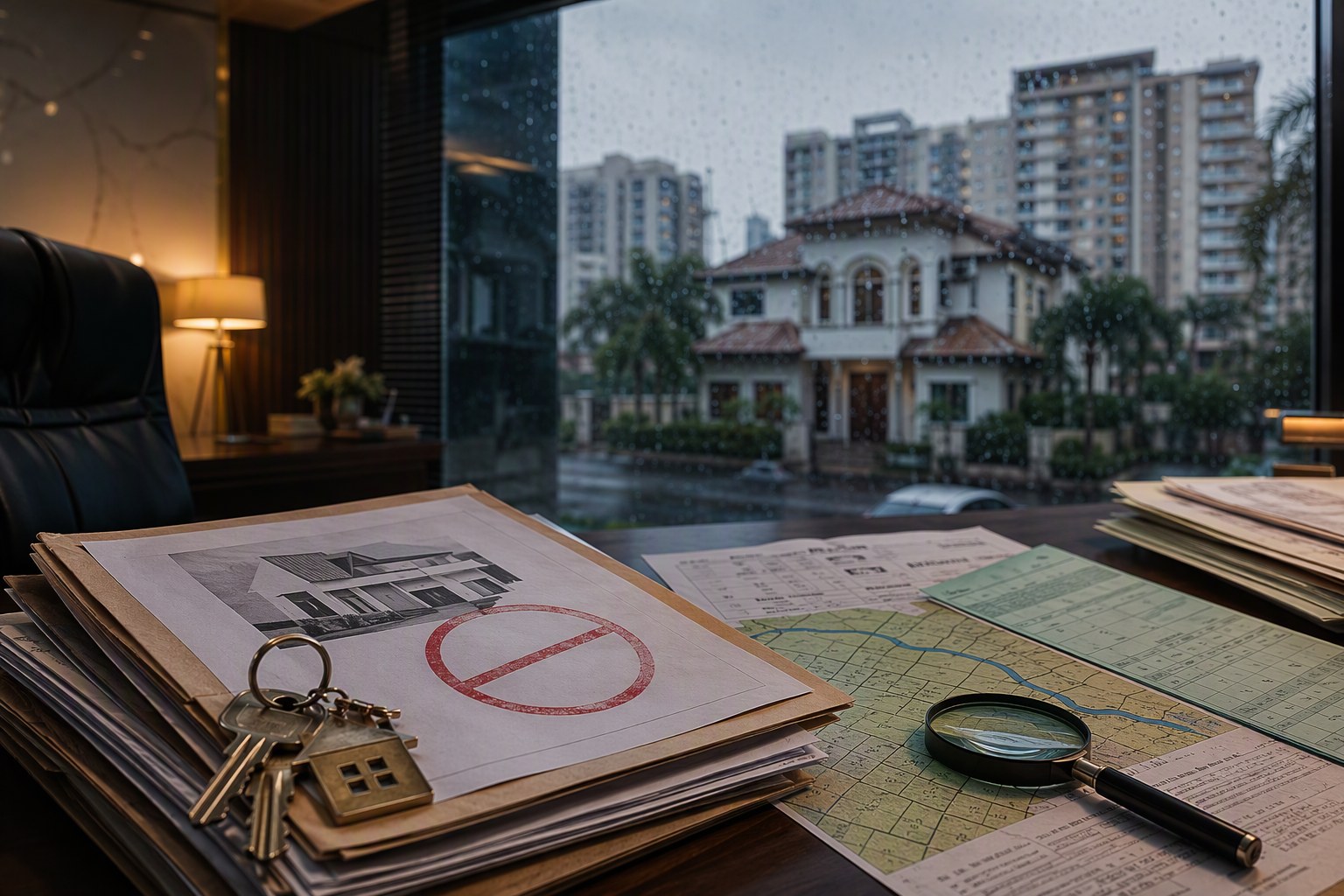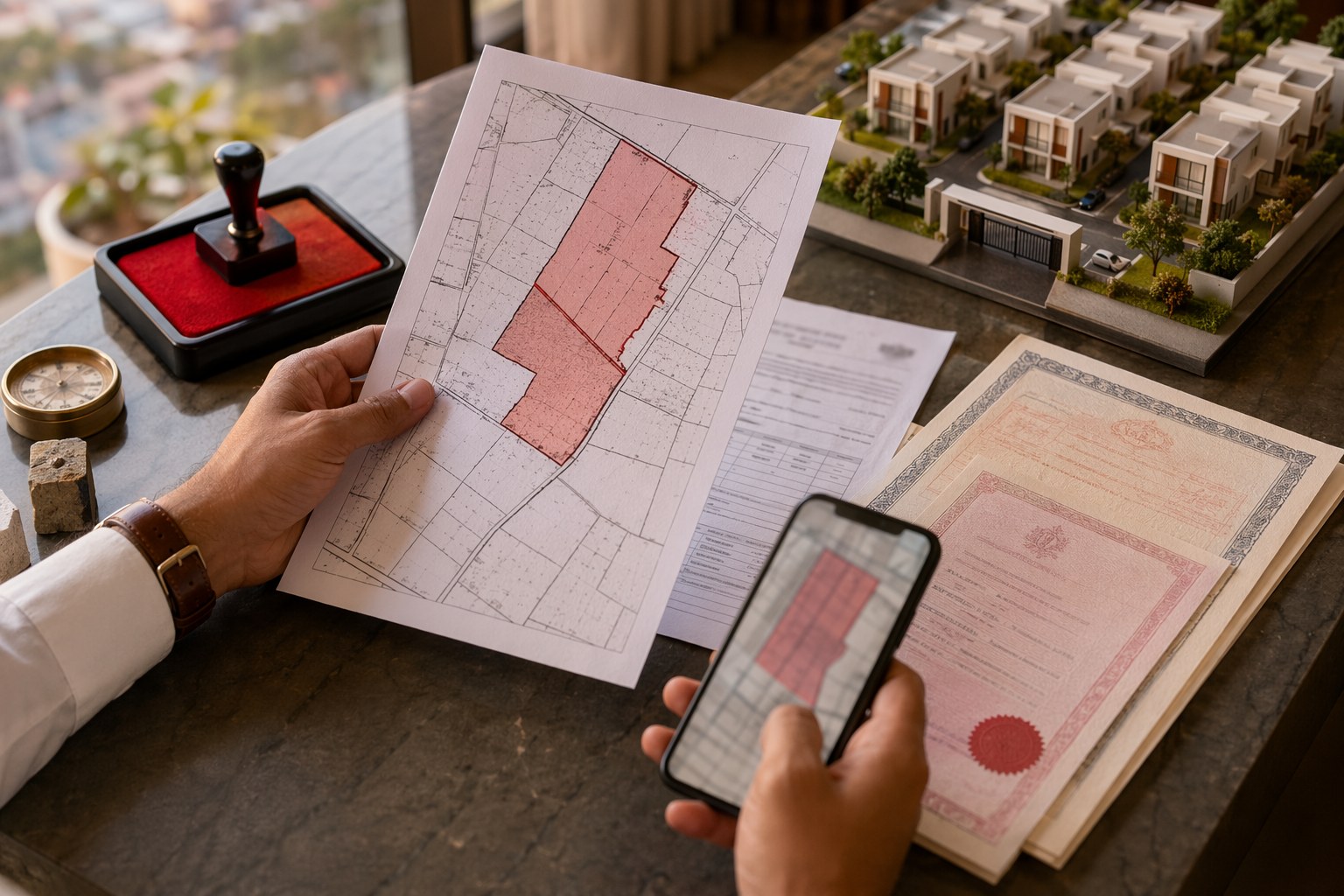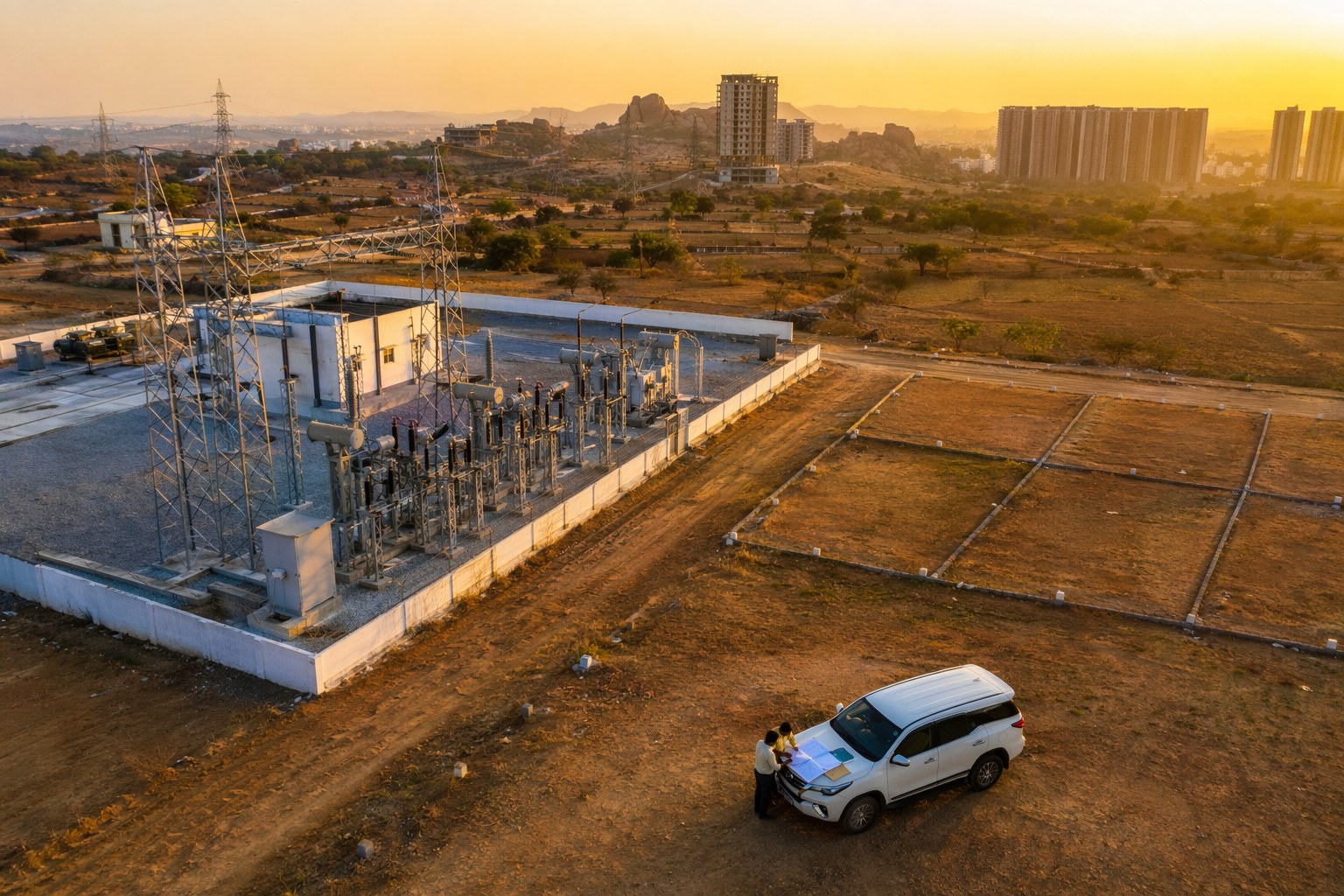
Telangana Banks May Reprice Loans on 22-A Collateral is the issue many borrowers, developers and landowners should watch closely now. When a property offered as mortgage security falls inside the Section 22-A prohibited properties pool, lenders may not treat it like ordinary saleable land. As per latest IGRS-linked property data available with Verified.RealEstate, Telangana has 3,076,153 prohibited property records under Section 22-A. That is a large enough pool to affect credit decisions, especially where land is the main collateral.
The immediate point is simple: if a bank is not fully comfortable that the mortgaged asset can be registered, transferred, enforced and sold without legal blockage, the loan terms may change. In practical terms, that can mean tighter legal scrutiny, lower comfort on loan-to-value, extra collateral requests, or pricing that reflects higher perceived risk.
Telangana Banks May Reprice Loans on 22-A Collateral: What Is Changing?
No lender wants to discover collateral trouble after disbursing money. Section 22-A properties are not just another minor document gap. These are properties flagged as prohibited for registration under government records. The reasons can vary: government land, assigned land, endowment land, wakf-related entries, litigation-linked entries, ceiling surplus land, or other categories notified by the state.
For a homebuyer in Narsingi, a plotted layout buyer in Shankarpally, a landowner in Maheshwaram, or a developer assembling parcels near Tellapur and Kollur, the banking question is not only, “What is the market value?” It is also, “Can this property stand as enforceable security?” That second question is where 22-A becomes a banking issue.
We have seen this pattern in Hyderabad real estate over many years. A property can look attractive on location, access road and market demand. But if the survey number is under a prohibited category, the transaction slows down immediately. Banks become careful. SRO-level registration checks become central. Legal teams ask for pahanis, Dharani extracts, mutation history, EC, link documents and government clarification wherever required.
Why 22-A Collateral Makes Banks Nervous
A bank loan is priced on repayment capacity and collateral comfort. Salary, business income and cash flow matter. But for secured loans, the land or building offered as security must also be marketable. If the bank has to enforce security later, it should be able to bring the property to sale without being trapped by registration restrictions.
Section 22-A affects exactly that comfort. A prohibited property may not pass normal sale deed registration at the SRO. Even where the borrower believes the entry is wrong or outdated, the bank will generally go by official records until the entry is clarified or removed through the proper process.
This is where repricing can enter the discussion. A lender may say the borrower is creditworthy, but the property is not clean enough as collateral. The result may be a tougher sanction note, demand for additional security, or a different rate conversation. For high-value land-backed borrowing, this can make a noticeable difference to deal feasibility.
Telangana Banks May Reprice Loans on 22-A Collateral in These Common Deal Types
The risk is not limited to one category of buyer. In our experience, 22-A checks matter across several real estate situations in Telangana:
- Land purchase loans: Particularly in growth corridors such as Shankarpally, Chevella, Maheshwaram, Kandukur and Shamshabad mandals.
- Loan against property: Owners pledging ancestral land or open plots may face deeper title checks if the survey number has a 22-A reference.
- Developer finance: Land aggregation around Gandipet, Kokapet, Tellapur, Kollur and Narsingi needs clean survey-level due diligence.
- Resale apartments with land share concerns: Usually apartments are easier than raw land, but underlying title history still matters in older layouts.
- Partition and family settlement cases: Families may discover the problem only when they approach SRO or bank legal panel.
What Borrowers Should Check Before Offering Land as Security
Before giving property papers to a bank, do a basic verification round yourself. It saves time and avoids embarrassment later. Start with the survey number, village, mandal and SRO jurisdiction. Many borrowers know only the plot number or door number; that is not enough for land-backed credit.
Use the Section 22-A Prohibited Property Check to see whether the property appears in the prohibited pool. Then cross-check the registration history using the Encumbrance Certificate Search. If the land details are unclear, the Survey Number Finder can help you identify the correct survey reference. For valuation sanity, compare official ready reckoner direction through the Market Value / Guideline Value Search.
If you are dealing with a property near a mandal boundary or old village jurisdiction, also use the Find Your SRO Office. Wrong SRO assumptions create unnecessary confusion, especially in fast-growing Hyderabad periphery locations.
How Banks May Treat 22-A Linked Collateral
Every lender has its own credit policy, but the broad behaviour is usually predictable. A clean urban flat in an approved project is treated differently from open land with unclear revenue history. For 22-A linked property, banks may take one or more of these positions:
| Bank Concern | Likely Action | Borrower Impact |
|---|---|---|
| Property appears in Section 22-A records | Legal opinion escalated or loan kept pending | Sanction delay, extra document demand |
| Survey number mismatch in pahani, Dharani or sale deed | Fresh verification from revenue and registration records | Borrower must correct or clarify records |
| Collateral marketability is doubtful | Additional security or guarantor may be asked | Loan structure may change |
| Registration restriction remains unresolved | Loan may be declined for that property | Buyer may need alternate property or funding route |
Impact on Hyderabad Growth Corridors
The Hyderabad market has pushed land interest well beyond the core city. Serilingampally, Rajendranagar and Gandipet already have strong formal development activity. On the outer side, Shankarpally, Chevella, Maheshwaram, Kandukur, Medchal, Shamirpet and Yacharam attract land buyers who are betting on future connectivity and layout development.
In these areas, a 22-A hit can change the tone of a negotiation. A seller may say the land has been in the family for decades. A buyer may say nearby plots are trading actively. But the bank will still ask: what do the government records say today?
That is why buyers should not rely only on word-of-mouth local enquiries. Village-level knowledge is useful, but bankable title needs paper trail. Pahani, Dharani status, EC, link documents, mutation, SRO records and prohibited property status must all speak the same language.
For Developers, 22-A Is a Project Finance Issue Too
Developers working on plotted layouts or villa communities cannot treat 22-A as a small legal footnote. If even one land parcel in an assembled block carries a prohibited property entry, project finance conversations can become difficult. Banks and NBFCs will examine whether the project land can be mortgaged and whether future buyer registrations will move smoothly.
For RERA-registered projects, buyers can start with the RERA Project Lookup. But RERA status is not a substitute for land title verification. Both checks are needed. In larger land deals, I would also track changes using the Property Change Tracker and review charges through the CERSAI Charge Check.
My view is straightforward: in Telangana, land that cannot pass revenue and registration scrutiny should not be casually offered as prime collateral. Banks know this, and serious buyers should know it before paying advance.
What Owners Can Do If Their Land Is Wrongly Listed
Some owners genuinely face outdated or incorrect entries. A property may have clean private ownership history, but still appear in a prohibited list because old records were not reconciled. In such cases, shouting at the buyer, broker or bank will not help. The owner has to collect records and follow the official correction route.
Start with the latest Dharani details, old pahanis, pattadar passbook references where applicable, link documents, tax receipts, mutation proceedings and EC. Then approach the relevant revenue authority or registration department channel as applicable to the case. If a legal opinion is needed, take it from a lawyer who regularly handles Telangana land and SRO matters, not just generic property drafting.
Until the official record is corrected, banks are unlikely to take a relaxed view. That may feel harsh, but from a lender’s side, it is basic risk control.
Bottom Line for Borrowers and Buyers
Telangana Banks May Reprice Loans on 22-A Collateral because a prohibited property entry directly affects collateral confidence. The headline number — 3,076,153 prohibited property records — shows why this is not a rare paperwork issue. It is a live credit risk filter.
If you are buying, borrowing against, or developing land in Telangana, check 22-A status before you negotiate final price or approach a lender. In Hyderabad’s active markets, the cleanest deal is not always the cheapest one. It is the one where the bank, SRO and revenue records do not fight each other.
Frequently Asked Questions
Can a bank give a loan on a Telangana 22-A property?
It depends on the lender and the exact record status, but many banks will be cautious. If the property is prohibited for registration, the bank may ask for clarification, additional collateral, or may refuse that property as security.
Why does Section 22-A affect loan pricing?
Loan pricing depends partly on collateral comfort. If land cannot be freely registered, transferred or enforced, the lender may see higher risk and change the loan structure or pricing.
How can I check if my land is under 22-A?
You can start with the Section 22-A prohibited property check, then verify the EC, survey number, Dharani record and SRO jurisdiction. For bank loans, also keep pahanis and link documents ready.
Does a clean EC mean the property is not prohibited?
Not always. EC shows registered transactions and encumbrances. Section 22-A status is a separate registration restriction check. Both should be verified before purchase or mortgage.
What should sellers do if land is wrongly listed under 22-A?
Sellers should gather ownership records, pahanis, Dharani details, link documents and mutation papers, then approach the relevant authority for correction. Banks usually wait for official correction before accepting the land as clean collateral.