


Telangana Warehouse Land Deals May Seek 22-A Indemnities
Telangana Warehouse Land Deals May Seek 22-A Indemnities as institutional buyers, logistics operators and land aggregators become more careful about title risk before closing large parcels around Hyderabad’s warehousing belt. The trigger is simple: Section 22-A prohibited property entries can stop registration at the SRO level, even after commercial terms are agreed. As per latest IGRS data, Telangana has 3,076,153 prohibited property entries, making this no longer a small due diligence checkbox for big-ticket land deals.
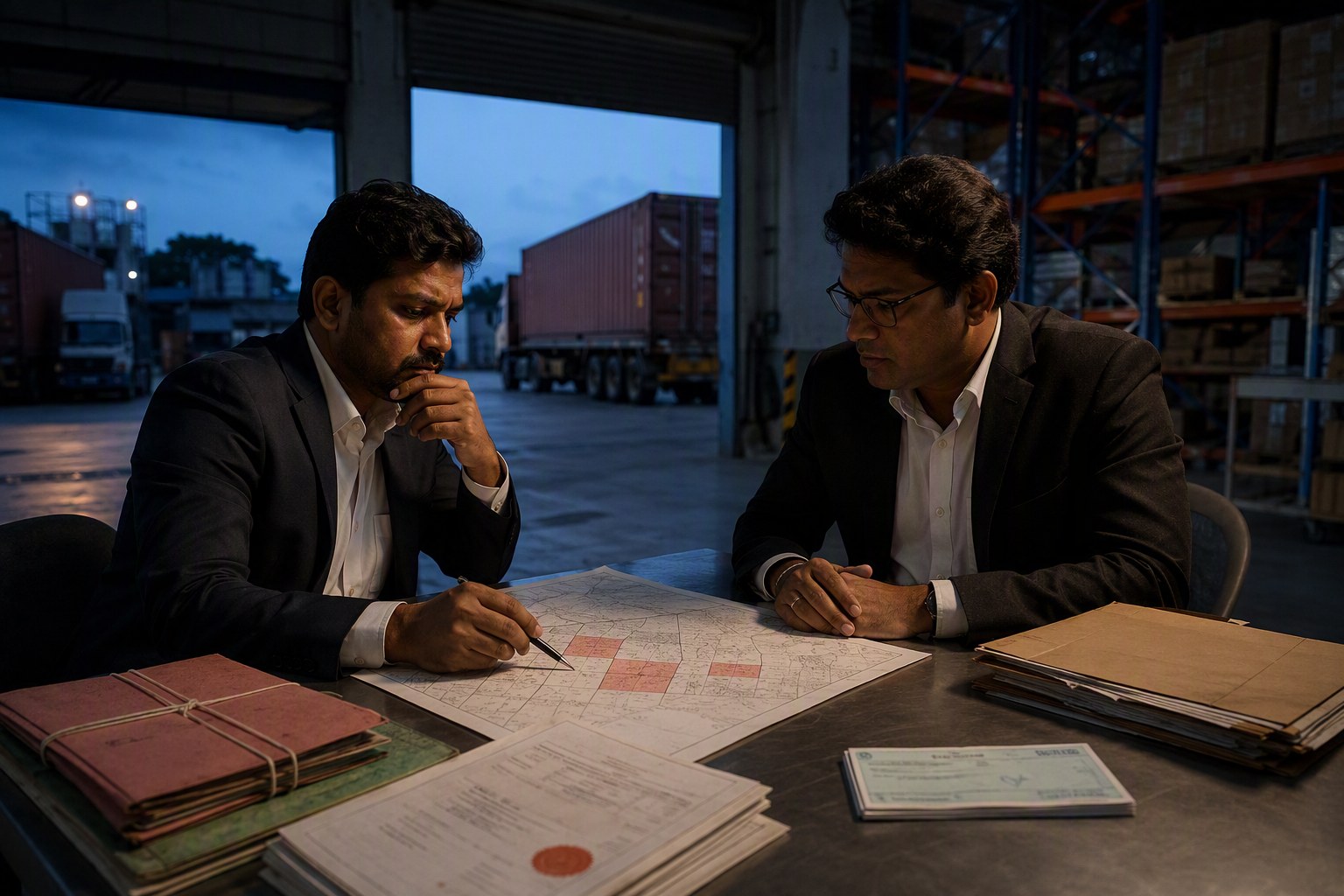
In our experience, warehouse land buyers are not worried only about price, road width or access to ORR anymore. They are asking tougher questions: Is the survey number clean? Is any part of the land in a 22-A list? Does the pahani match the seller’s claim? Will the SRO register the sale deed without objections?
For large logistics land acquisitions, a 22-A indemnity clause may soon become as normal as an encumbrance certificate check. Buyers want protection if registration fails or title gets questioned after money changes hands.
Telangana Warehouse Land Deals May Seek 22-A Indemnities: What is changing?
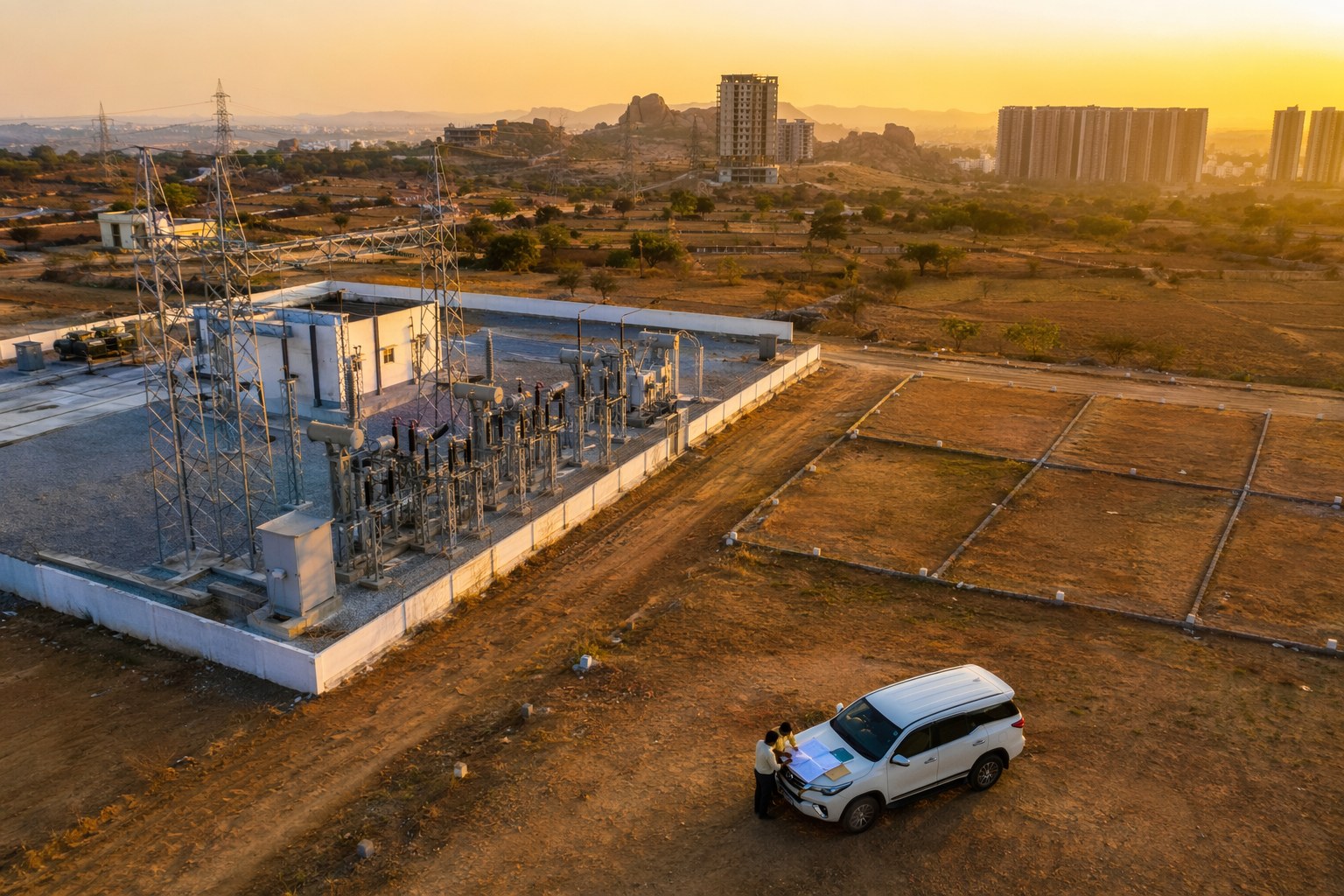
Warehouse and logistics land demand around Hyderabad has been visible in belts such as Shamshabad, Kothur, Shabad, Medchal, Dundigal, Patancheru, Sangareddy, Toopran and along key highway-facing stretches. Many of these transactions involve agricultural-to-non-agricultural conversion questions, old family partitions, pattadar passbooks, access roads, boundary mismatches and village-level revenue records.
Earlier, buyers often focused on the encumbrance certificate, link documents and market value. That is no longer enough. Section 22-A risk is now getting its own line item in negotiations. If a land parcel falls under a prohibited property category, or if there is confusion in government records, the registration process can get blocked. For a warehousing buyer, that can disturb funding, tenant commitments, layout planning and project timelines.
This is why deal lawyers are likely to push for specific indemnity wording. Not a generic “seller confirms clear title” sentence. A sharper clause may say that if the property is found to be covered under Section 22-A, assigned land restrictions, government land claims, endowment claims, wakf entries, ceiling issues or any prohibited registration list, the seller must refund consideration, bear losses and cooperate in rectification.
Before token advance itself, buyers can run the survey number through Section 22-A Prohibited Property Check, review past transactions with Encumbrance Certificate Search, and verify the applicable ready reckoner using Market Value / Guideline Value Search.
Why 22-A matters more in warehouse land than flat purchases
A flat buyer in Gachibowli or Miyapur usually deals with a built project, sanctioned plans, RERA registration and an apartment sale deed. A warehouse buyer is dealing with land first. That land may be spread across multiple survey numbers, sometimes across village boundaries, with different pattadars or inheritance chains. Even one problematic survey number can affect the full transaction structure.
For example, a buyer considering a logistics park parcel near Kothur mandal may find clean possession on ground, but the registration office may still rely on government prohibition data. Similarly, land around Shamshabad or Shabad can have old revenue entries that do not match what brokers say on WhatsApp. In Patancheru and Sangareddy-side deals, buyers also look closely at industrial usability, access, conversion and pollution-related permissions depending on the proposed use.
We have seen negotiations where the commercial deal looks attractive, but the legal team slows it down because the village revenue record, Dharani status and SRO-level registration position are not aligned. That is where indemnity becomes practical. It gives the buyer a contractual recovery path if the seller’s representations fail.
Telangana Warehouse Land Deals May Seek 22-A Indemnities in term sheets
In larger land deals, the indemnity clause may start appearing much earlier — even in the term sheet or memorandum of understanding. Sellers may be asked to confirm that the land is not listed as prohibited property, not subject to government claim, not under acquisition dispute, and not affected by pending mutation or revenue correction issues.
A sensible buyer-side checklist may include:
- Survey number verification through village and mandal records.
- Latest Dharani status, pattadar details and pahani review.
- SRO-level registration feasibility before paying major advance.
- Encumbrance certificate review for mortgages, court attachments and old sale deeds.
- Check whether any portion is classified under Section 22-A prohibited property data.
- Clear seller indemnity for title defects, registration refusal and record mismatch.
For location-level checks, buyers can use Survey Number Finder and identify the correct registration office through Find Your SRO Office. For a wider due diligence workflow, Property Verification Tool can help buyers organise the first round of checks before giving instructions to an advocate.
What an indemnity clause should cover in Telangana logistics land deals
An indemnity is only useful when it is specific. In Telangana warehouse land deals, the clause should ideally cover title, possession, registration and government-record risks. The seller should not merely say “I will cooperate”. The clause must say what happens if registration is denied, if the property is later shown in a prohibited list, or if a third party claims ownership.
| Risk area | Why it matters for warehouse buyers | Buyer protection to seek |
|---|---|---|
| Section 22-A entry | SRO may refuse registration or raise objection | Refund, loss coverage and seller-led rectification |
| Survey number mismatch | Wrong land may be shown in documents or possession | Joint survey, boundary confirmation and indemnity |
| Revenue record defect | Dharani or pahani may not support seller’s title | Condition precedent before sale deed |
| Old encumbrance | Mortgage, attachment or prior sale may affect title | Clean EC and seller undertaking |
| Access and land use | Warehouse use depends on road and zoning comfort | Independent planning and road checks |
Buyers should also check land use and development feasibility. A clean title does not automatically mean the land suits a warehouse. Road width, approach, turning radius, zoning and future expansion all matter. Tools like Road Width Check, Land Use Zone Finder and FSI/FAR Calculator can support early screening.
Seller pushback is expected, but clean sellers should not fear it
Some sellers may resist 22-A indemnities, especially where land has passed through family partitions or old GPA transactions. That resistance is understandable. But a genuine seller with clean documents should not see indemnity as an insult. It is part of risk allocation.
The sharper debate will be around duration, cap and proof. Sellers may say indemnity should apply only if the issue existed before sale. Buyers may ask for wider protection because warehouse projects involve later approvals, financing and tenant commitments. A balanced clause can define the trigger clearly: SRO refusal, government record showing prohibition, court order, verified revenue claim or defect in seller’s title chain.
For stamp duty and registration cost planning, parties should not rely on rough broker calculations. Use Stamp Duty Calculator and confirm ready reckoner value before drafting the agreement. If the property is already under charge, a CERSAI Charge Check can also be useful.
What buyers should do before signing warehouse land agreements
My view is simple: do not treat 22-A as a last-day SRO surprise. Check it before the advance goes out. In Telangana, land records sit across revenue, registration and local planning systems. A warehouse buyer must reconcile all of them.
For deals in Medchal, Shamshabad, Kothur, Sangareddy, Patancheru or Toopran, buyers should ask for the full survey-number schedule, link documents, pattadar passbook details, latest EC, pahani, land conversion papers where applicable and any layout or approach-road documents. The agreement should say that the buyer’s obligation to complete the purchase depends on clean verification.
The big message from the market is clear: price discovery is only one part of the deal. Registration certainty is now equally valuable. With 3,076,153 prohibited property entries as per latest IGRS data, Telangana warehouse land deals may increasingly use 22-A indemnities as a standard safety valve.
Frequently Asked Questions
What is a 22-A indemnity in Telangana warehouse land deals?
It is a contractual promise by the seller to protect the buyer if the land is later found to be affected by Section 22-A prohibited property restrictions, registration refusal or related title defects.
Why are logistics land buyers worried about Section 22-A?
Warehouse land often involves large parcels and multiple survey numbers. If even one survey number is blocked or disputed in government records, registration and project planning can get affected.
Can an encumbrance certificate alone confirm that land is safe?
No. An EC is useful, but buyers should also check Dharani records, pahani, survey details, SRO position and Section 22-A prohibited property status.
When should buyers check 22-A status?
Before paying a major advance. Ideally, the sale agreement should make completion subject to clean title, clean registration feasibility and no prohibited property entry.
Which Telangana locations need extra care for warehouse land due diligence?
High-activity belts such as Shamshabad, Kothur, Shabad, Medchal, Patancheru, Sangareddy, Dundigal and Toopran need careful survey-number, revenue-record and SRO-level checks.