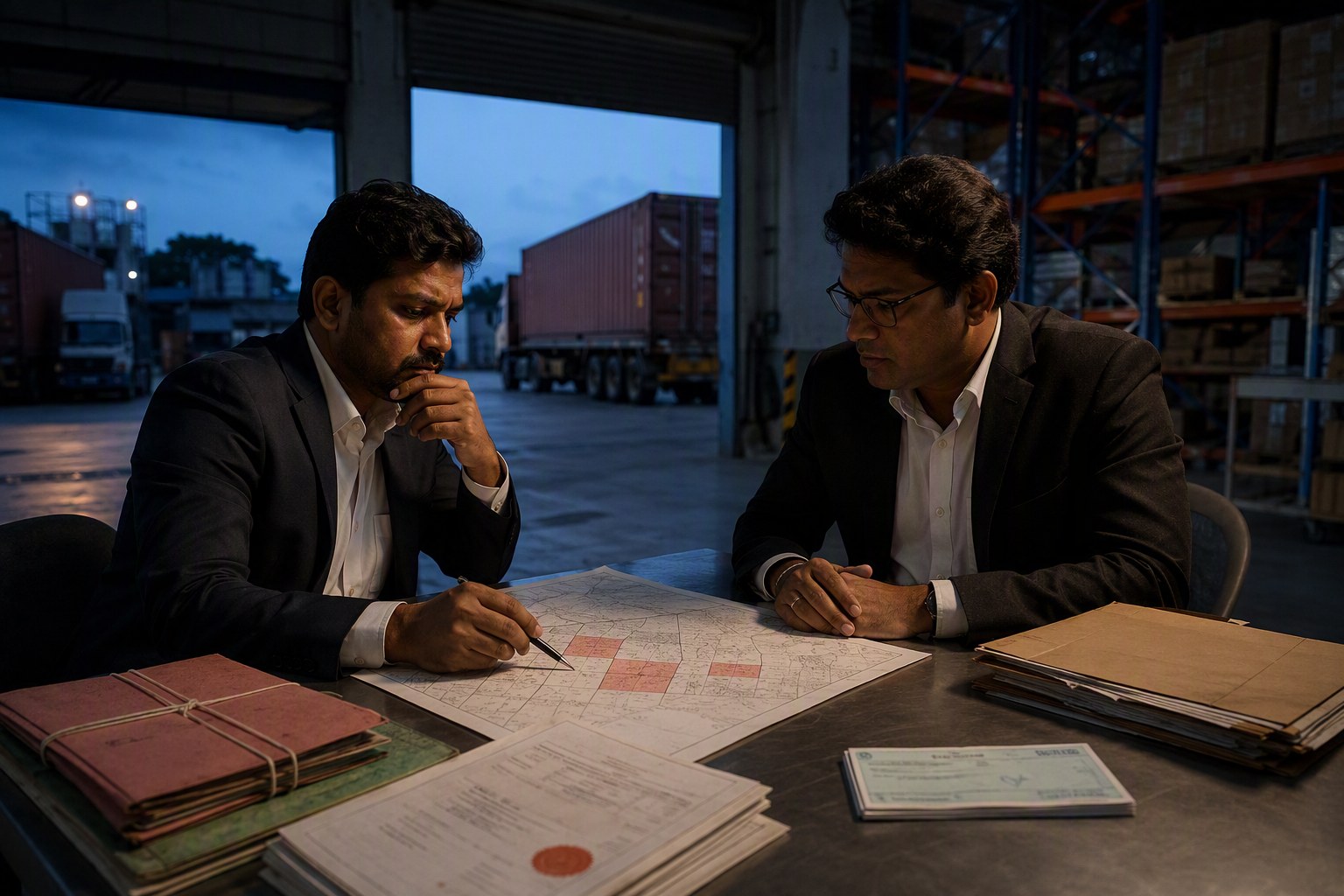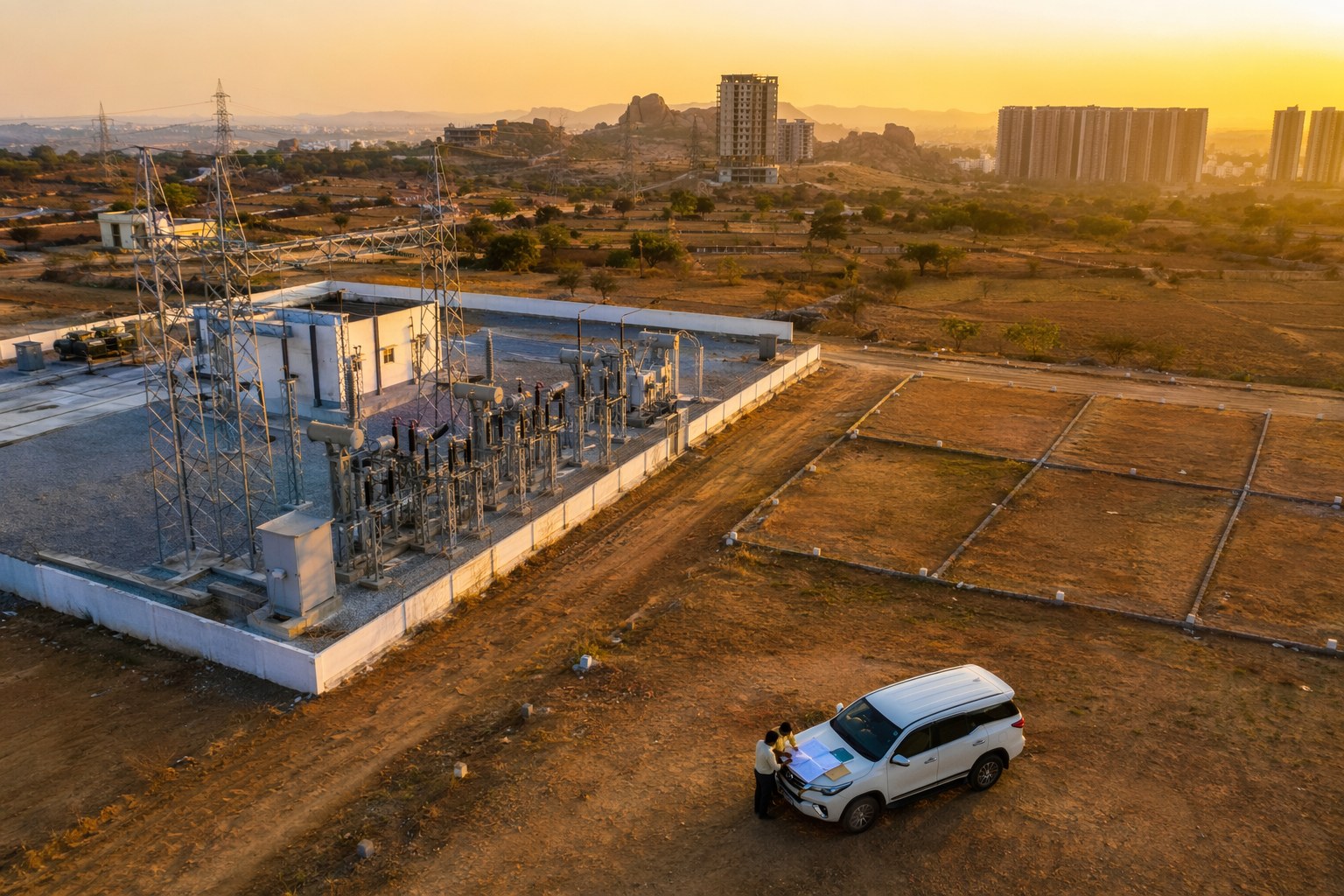



Telangana Mall Acquisitions are likely to see tougher payment structures as retail asset buyers sharpen their focus on Section 22-A prohibited property checks. With 3,076,153 prohibited property entries in the Verified.RealEstate database, buyers of malls, high-street retail blocks and mixed-use assets in Hyderabad cannot treat title diligence as a closing formality anymore.
The practical shift is simple: instead of paying the full acquisition consideration upfront, buyers may hold back a part of the payout until the seller proves that the land parcel, survey number, sub-division, building approvals and registration history are clean across IGRS, Dharani, SRO and revenue records.
This is not just a lawyer's clause. For mall deals in Madhapur, Gachibowli, Kokapet, Narsingi, Kompally, Uppal, LB Nagar and Shamshabad-side corridors, a 22-A flag can delay registration, scare lenders, disturb anchor tenant plans and weaken exit options. We have seen enough Hyderabad transactions where everyone checks lease rentals and footfalls first, but the real stress comes from an old survey entry, a government land notation, an assigned land issue or a missing pahani link.
Why Telangana Mall Acquisitions May Need 22-A Holdbacks
Section 22-A is the part of the registration framework that deals with properties barred from registration. In simple Hyderabad market language, if a property falls into the prohibited list, the Sub-Registrar Office may not register sale, transfer or mortgage documents until the issue is cleared or clarified.
For a small apartment buyer, this is painful. For a mall buyer, it can become a full transaction risk. A mall is not one flat or one plot. It may sit on multiple survey numbers, have amalgamated land parcels, old ownership links, development agreements, lease rights, mortgage charges, parking rights, common area allocations and sanction dependencies. One weak link can affect the entire acquisition structure.
That is why buyers are likely to ask for title holdbacks linked to documentary milestones. The seller may receive the major payout at closing, but a negotiated portion can remain in escrow, retention or deferred consideration until the 22-A check, Encumbrance Certificate review, SRO verification and revenue record matching are completed to the buyer's satisfaction.
In our experience, Telangana retail asset diligence is moving from document collection to document reconciliation. The same survey number must make sense in pahani, Dharani, EC, sanction file, link deeds and SRO records. If it does not, buyers will price that risk.
Telangana Mall Acquisitions And The Scale Of 22-A Risk
The number that changes the tone of negotiation is 3,076,153. That is the prohibited property count in the Verified.RealEstate database. Not every entry affects Hyderabad mall stock, and not every flag is fatal. Still, the size of the list tells institutional buyers, family offices, private investors and retail operators one thing clearly: prohibited property screening cannot be left to the last week before registration.
The risk is sharper in urban expansion belts where village revenue records, old layouts, conversion permissions and later commercial development overlap. Serilingampally mandal, Gandipet mandal, Medchal-side locations, Hayathnagar, Uppal and parts of Ranga Reddy district have all seen land use changes over time. Many mall and retail-led assets are built in exactly these growth corridors.
For a buyer, the question is not only whether the mall is occupied or whether the food court is doing well. The harder question is whether the underlying land can be transferred, mortgaged and refinanced without a registration block. A 22-A holdback is a commercial answer to that legal uncertainty.
How A 22-A Title Holdback May Work In A Mall Deal
A holdback is not a penalty by itself. It is a risk allocation tool. The buyer says: I will close the deal, but part of your sale proceeds will be released only after certain title conditions are met. The seller says: I will cooperate, give indemnities and clear records, but I do not want the entire deal to be stalled for a clerical or historical entry.
In Telangana mall acquisitions, holdback triggers may include:
- Clean result from Section 22-A Prohibited Property Check for all relevant survey numbers and sub-divisions.
- Updated Encumbrance Certificate review through Encumbrance Certificate Search, followed by a legal reading of mortgages, releases and sale links.
- Survey number matching using Survey Number Finder so that land mentioned in link deeds matches revenue and registration records.
- Confirmation of the correct SRO through Find Your SRO Office, especially where village, mandal and jurisdiction boundaries have changed.
- Cross-checking guideline value through Market Value / Guideline Value Search to understand registration value exposure and ready reckoner references.
For larger retail assets, a buyer may also insist on charge checks, tenant NOCs, lender consent, building permission review, fire compliance, zoning review and property tax continuity. But the 22-A check sits right at the base because it affects the ability to register the sale deed itself.
What Sellers Should Prepare Before Taking A Mall To Market
Sellers planning to sell malls or retail blocks in Hyderabad should not wait for buyer diligence teams to find gaps. A clean pre-sale title pack can improve confidence and reduce aggressive holdback demands.
A sensible seller pack should include parent documents, link deeds, latest EC, pahani extracts where relevant, Dharani references for agricultural-origin land, mutation records, conversion permissions, layout approvals, building permissions, occupancy certificate status, property tax receipts, fire NOC status, lender release letters and tenant lease schedules. If any document is missing, say it upfront and explain the cure route.
In mandals like Serilingampally and Gandipet, where land values and investor attention are high, buyers are less forgiving about vague title explanations. In Kompally, Medchal and Uppal corridors, buyers often look closely at old revenue classifications and road access. In Shamshabad and airport-side retail plays, land use and master plan alignment become equally sensitive.
My view is that a seller who clears 22-A doubts before launching a transaction will command better seriousness from buyers. Not necessarily a higher price every time, but fewer late-stage shocks.
Buyer Diligence Checklist For Telangana Mall Acquisitions
| Due diligence area | Why it matters in a mall acquisition | Useful Verified tool |
|---|---|---|
| 22-A prohibited property check | Confirms whether registration may be blocked due to prohibited property status. | Section 22-A Prohibited Property Check |
| Encumbrance review | Shows registered charges, sales, releases and other transactions affecting title. | EC Analyzer |
| SRO jurisdiction | Helps verify records at the correct Sub-Registrar Office. | SRO Village Directory |
| Land use and zoning | Checks whether commercial retail use fits the planning framework. | Land Use Zone Finder |
| Stamp duty planning | Helps estimate registration cost before closing structure is finalised. | Stamp Duty Calculator |
Buyers should also run a practical site-level check. Does the mall boundary match the sanctioned plan? Is the access road public or private? Are parking floors part of the sale or only usage rights? Are common areas already leased, mortgaged or disputed? Title diligence and asset diligence must speak to each other.
Why Lenders Will Watch 22-A Holdbacks Closely
Mall acquisitions are often funded through bank debt, structured finance or investor capital. A lender does not want a security package that cannot be registered or enforced cleanly. If the land parcel is under a 22-A cloud, mortgage creation can get complicated, even when the building is operational and rent-producing.
This is where a holdback becomes lender-friendly. It gives the financing side comfort that unresolved title matters are not being ignored. It can also create a clear timeline for seller obligations, document production and statutory clarifications.
Still, buyers should not assume a holdback cures every defect. If the prohibited property issue is substantive, the deal may need restructuring, government clarification, court order review or even a walk-away right. A holdback is useful only when the risk is capable of being cured or properly priced.
Telangana Mall Acquisitions: The New Negotiation Line
The old mall deal conversation was built around rentals, occupancy, CAM recovery, brand mix and footfall. Those remain central. But in Telangana, title is moving closer to the front of the term sheet.
Expect buyers to ask sharper questions: Which survey numbers form the mall land? Which mandal records support them? Has every link deed been registered in the correct SRO? Is there any Dharani mismatch? Does the EC cover the full chain? Is any portion marked under 22-A? Are government land, assigned land, wakf, endowment or ceiling issues visible in the record?
For Hyderabad's retail property market, this is healthy. It may slow some transactions, but it will separate genuinely bankable assets from assets that only look attractive from the main road. Mall sellers who prepare early will negotiate better. Buyers who skip 22-A checks may end up inheriting a problem that no anchor tenant can fix.
For anyone evaluating a Telangana retail asset, start with the land record, not the escalator count. Run the Property Verification Tool, check the prohibited list, read the EC, confirm the SRO and then talk commercial terms. That order may save months of avoidable pain.
Frequently Asked Questions
What is a 22-A title holdback in a Telangana mall acquisition?
It is a portion of the sale payout retained in escrow, deferred consideration or another agreed structure until the seller clears Section 22-A prohibited property concerns and related title conditions.
Why is Section 22-A critical for mall buyers in Hyderabad?
If a mall land parcel is affected by a prohibited property entry, registration, mortgage creation and future resale can become difficult. That directly affects acquisition risk and lender comfort.
Which records should be checked before buying a mall in Telangana?
Buyers should check 22-A status, EC, link deeds, pahani, Dharani records, SRO jurisdiction, building approvals, land use, lender charges and lease documents before closing.
Can a 22-A issue always be fixed through a seller indemnity?
No. An indemnity helps allocate risk, but it may not remove a registration block. The buyer should understand whether the issue is clerical, curable or a serious title defect.
How can sellers reduce holdback demands in Telangana mall deals?
Sellers should prepare a clean title pack, run early 22-A and EC checks, reconcile survey numbers across records and disclose gaps before buyer diligence begins.