Telangana SROs May Add 22-A Counters for Festival Sale Rush
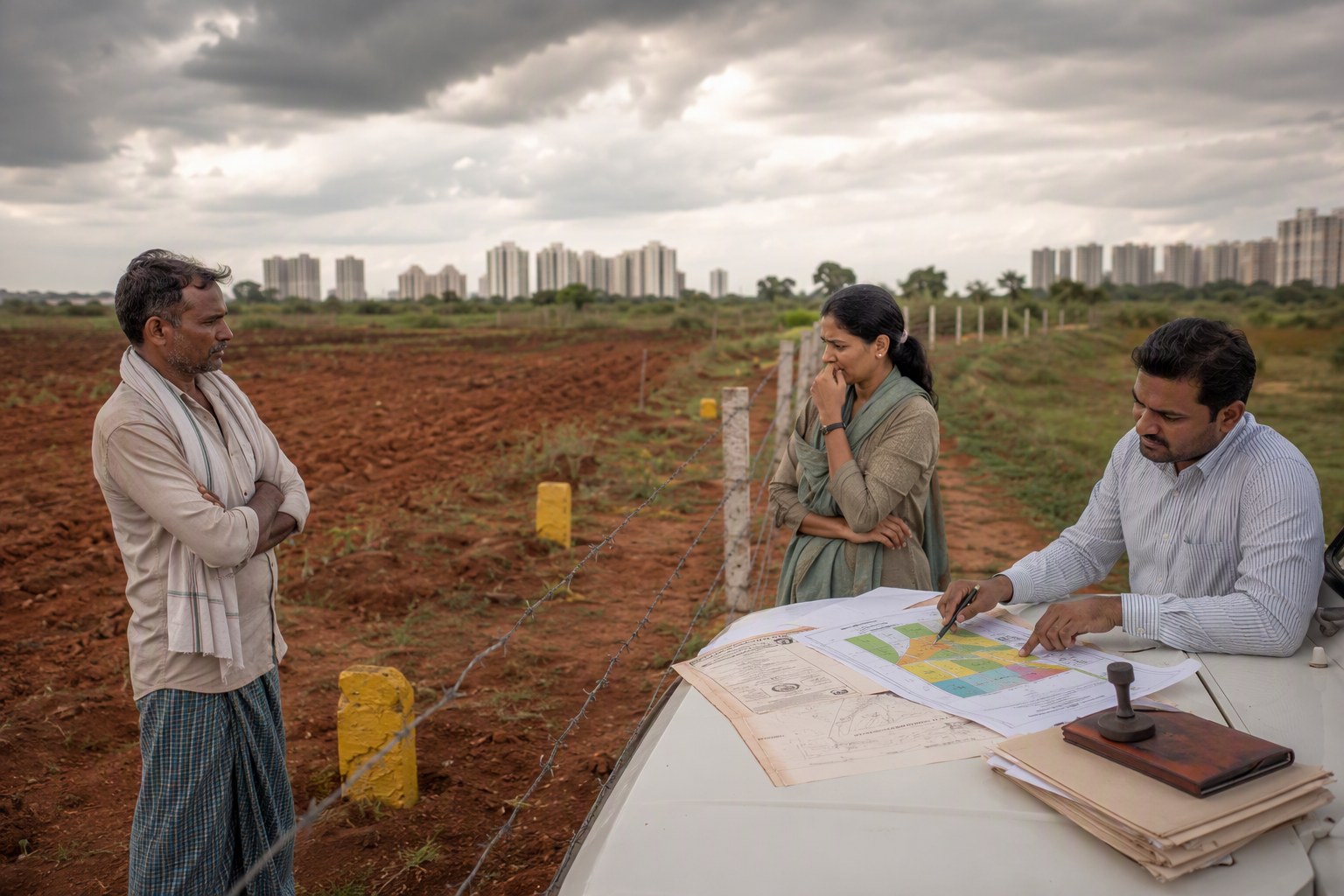
Festival season usually brings two kinds of property movement in Telangana: new launches on one side and resale bargaining on the other. This year, the sharper conversation among buyers, document writers and brokers is around 22-A checks before token advances are paid. If resale demand picks up around Dasara, Diwali and year-end muhurtham dates, Sub-Registrar Offices may face pressure to create dedicated pre-token 22-A verification counters, at least in high-traffic SROs.
There is no confirmed statewide order on such counters yet. But the demand is practical. Many buyers are not asking for faster registration alone; they are asking for faster rejection of risky papers before they lose time, broker commission, advance money and family peace. In busy Hyderabad and peri-urban SRO markets, that one check can decide whether a deal moves to agreement or gets dropped on the same day.
A dedicated 22-A help desk at the SRO level will not replace legal due diligence. But it can stop many failed visits before the buyer pays the booking advance. That is where the real value lies.
Why 22-A Checks Are Becoming A Festival-Season Issue
Section 22-A related entries are among the first red flags in Telangana resale due diligence. In simple terms, if a property is on the prohibited list, the SRO may not register it in the normal course. Buyers often discover this late: after collecting parent documents, arranging cash flow, booking a slot, taking leave from office or paying a token amount to the seller.
Verified.RealEstate tracks 3,076,153 prohibited property records in its prohibited-property database context. That number itself explains why buyers are asking for a front-window check instead of a last-minute surprise. The issue is not limited to old city properties or agricultural lands. Disputes, assigned land references, endowment issues, government land claims, court-related entries and survey-number level restrictions can all affect transactions.
Festival months also create emotional buying. Families want to close quickly. Sellers push with lines like, "another party is ready". Brokers want the deal to move before the buyer changes his mind. In that atmosphere, a 22-A miss can become expensive.
What A Pre-Token 22-A Counter Could Do
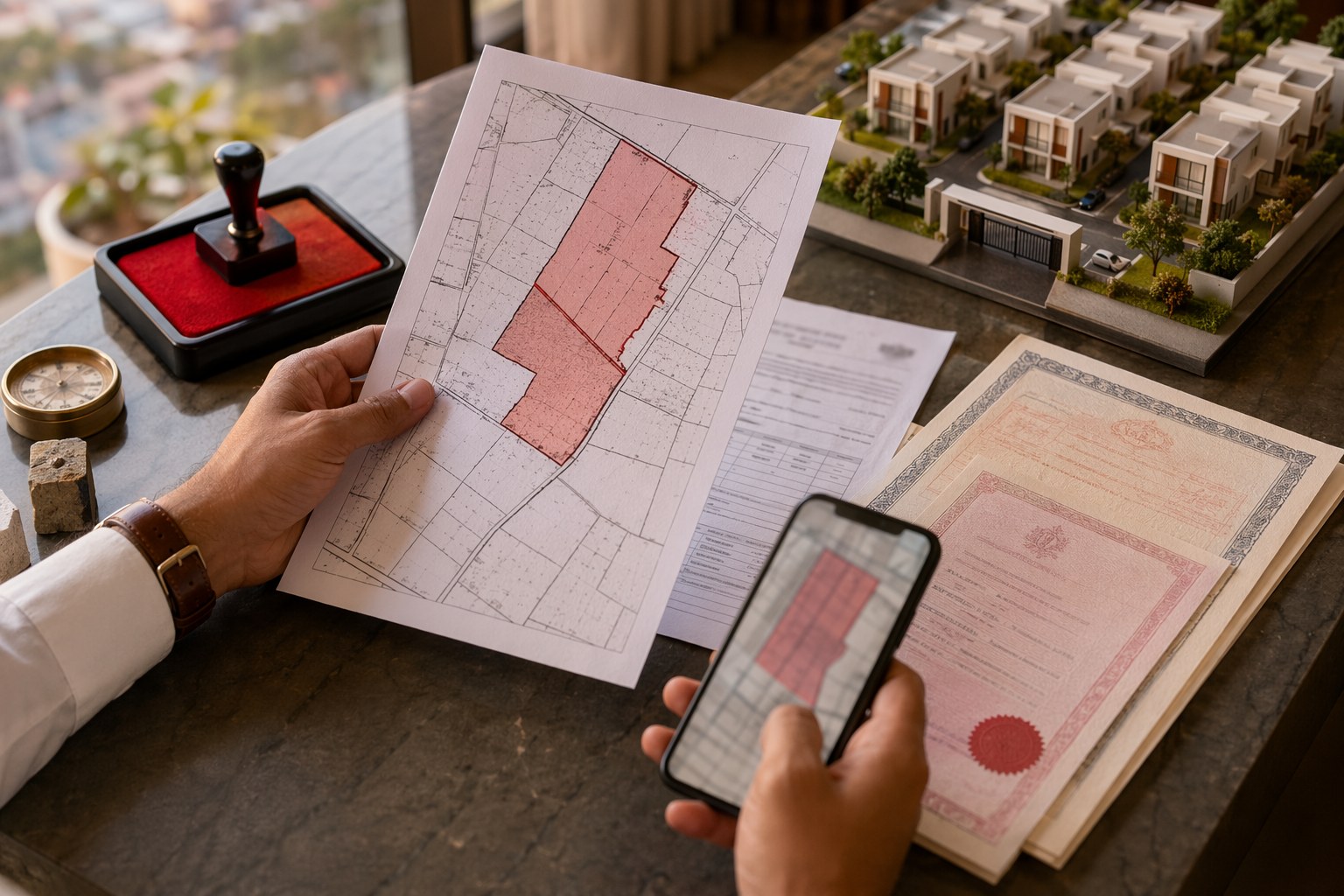
A pre-token 22-A counter would ideally sit before the registration slot workflow. The buyer, seller or document writer could present basic property details and get a quick indication on whether the property appears in the prohibited records available to the SRO. It is not a title certificate. It is not a legal opinion. But it can answer one critical question: should this transaction even proceed to token booking?
| Stage | Current Pain Point | How A 22-A Counter May Help |
|---|---|---|
| Before advance | Buyer depends on seller assurance or broker word | Basic prohibited status can be checked early |
| Before slot booking | Documents are prepared without knowing SRO objection risk | Risky files can be filtered before token work |
| At registration visit | Families reach SRO and face unexpected refusal | Failed visits may reduce if screening happens earlier |
| After failed visit | Advance refund becomes a private dispute | Buyer can negotiate conditions before payment |
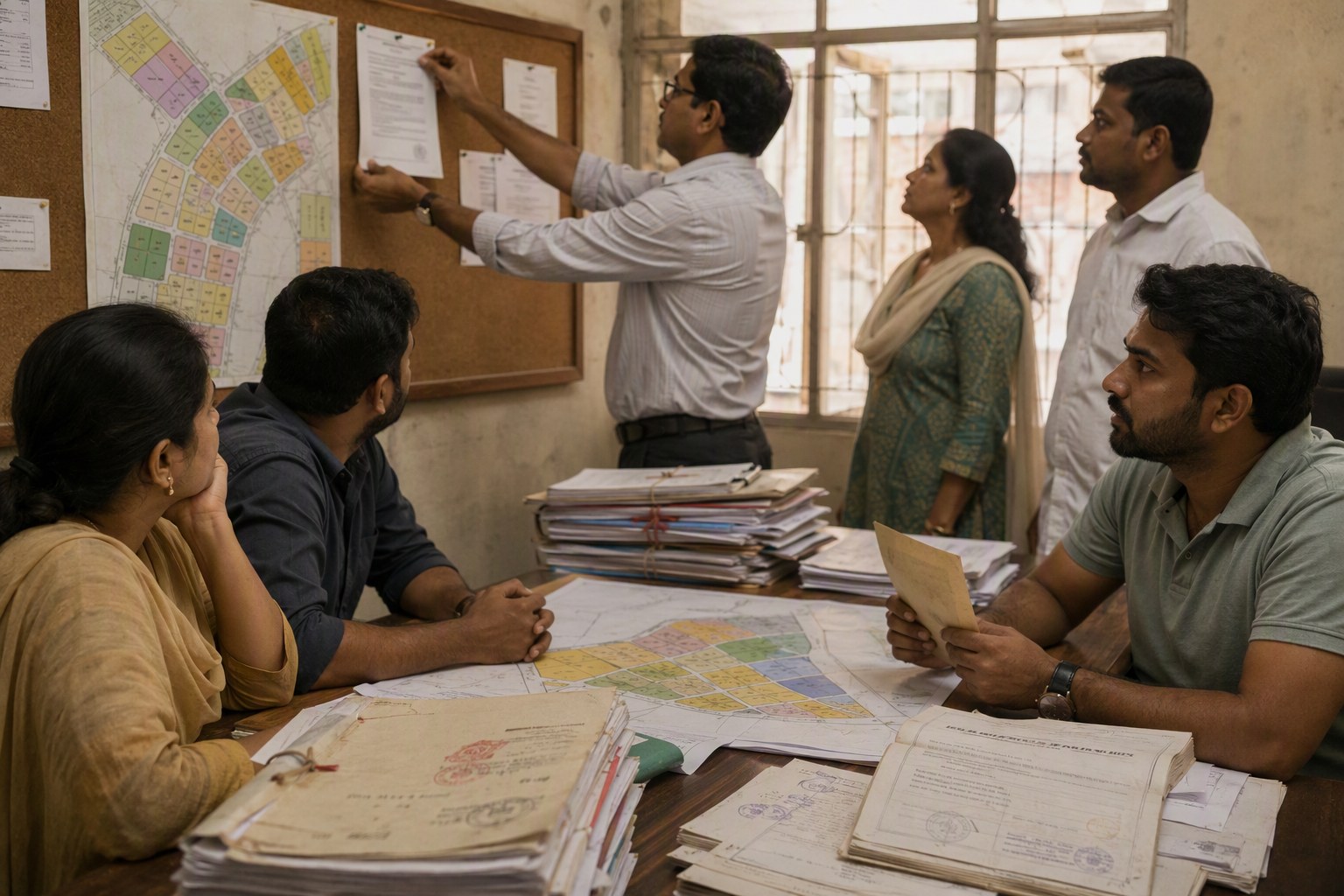
For the SRO staff, a separate counter may also reduce crowding at main registration desks. Right now, many 22-A queries are mixed with regular presentation, document scrutiny and public enquiry. During rush periods, that creates frustration on both sides of the counter.
Hyderabad Resale Buyers Are Already Asking Different Questions
Earlier, the usual resale questions were about rate, UDS, parking, water connection and loan eligibility. Now buyers in areas like Uppal, LB Nagar, Kukatpally, Miyapur, Narsingi, Manikonda, Kompally and Shamshabad are asking for survey number, SRO jurisdiction, link documents, EC and prohibited status before they even visit the flat or land parcel for a second time.
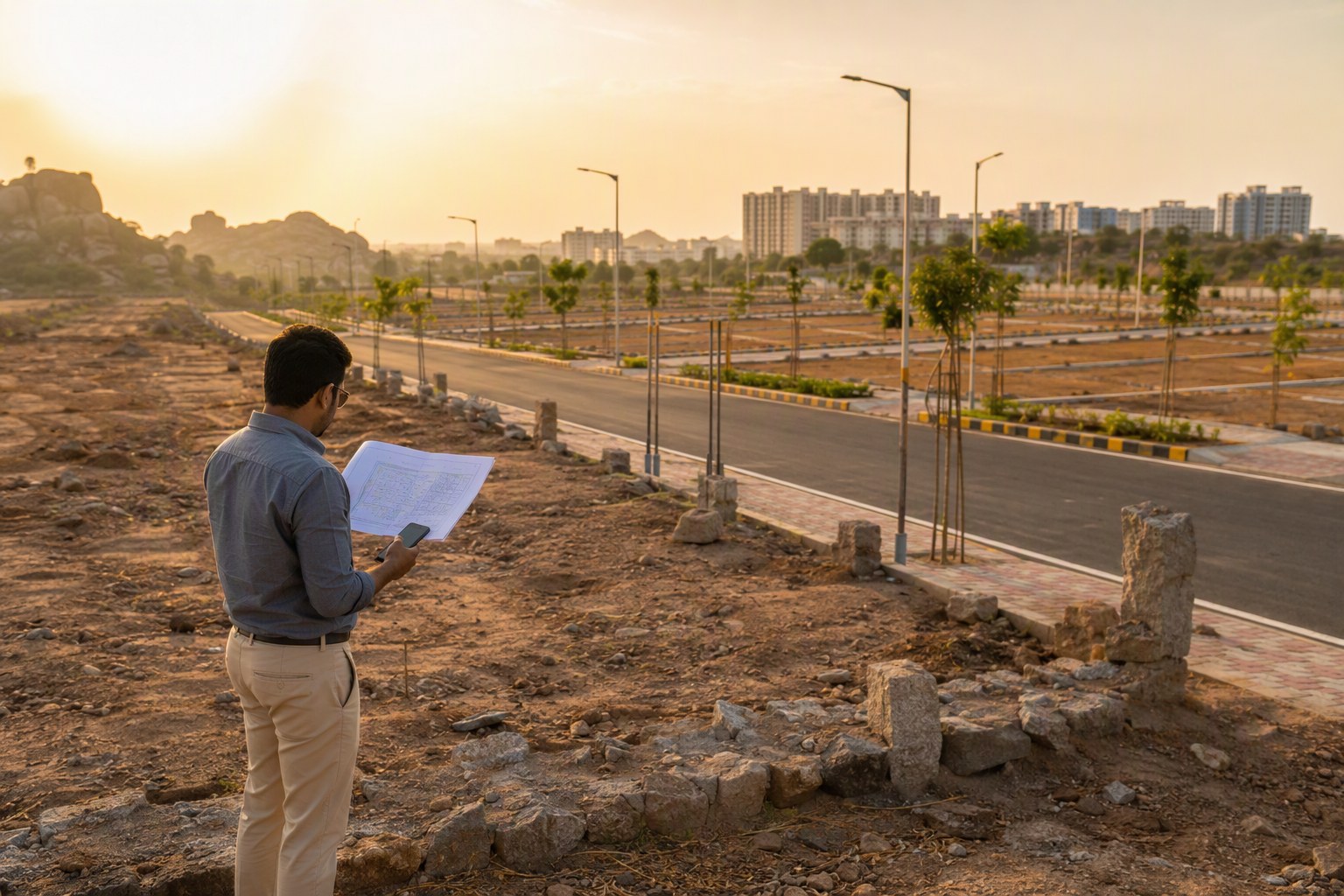
That is a healthy shift. Telangana has a lively resale market, but it also has mixed land histories. HMDA layouts, gram panchayat layouts, old plotted ventures, converted agricultural lands, assigned land claims and court-marked survey numbers can sit side by side. A buyer who checks only the apartment door number or plot number is taking half a view. The survey number and village records matter.
Before visiting the SRO, buyers can use tools such as Prohibited Property Check, Find Your Sro, Survey Number Finder and Ec Search. These checks do not remove the need for an advocate, but they bring discipline to the discussion with the seller.
What Brokers And Document Writers Want
Good brokers are not afraid of verification. In fact, they benefit when bad files are removed early. A broker handling ten resale leads during festival season cannot afford to spend three days on a property that will fail at the SRO counter. Document writers also lose time when papers are drafted, challans are discussed and parties assemble, only for a prohibited entry to block the transaction.
From market conversations, the likely demand is simple: give one desk, one queue and one clear preliminary answer. Even if the answer is only "appears in prohibited list, get clarification" or "not found in the checked data, proceed with due diligence", it will improve decision-making. The buyer can then decide whether to proceed, seek seller clarification, ask for revenue records or walk away.
What Buyers Should Check Before Paying Any Booking Advance
My view is direct: never pay a resale advance only because the rate is attractive or the seller is creating urgency. Put verification conditions into the advance receipt. If the property fails due diligence, the refund clause should be clear. A handshake understanding is weak when money is involved.
- Confirm the correct SRO using village, mandal and property location, not just the nearest office.
- Check prohibited status using survey number, village name and available property identifiers.
- Pull the latest EC and compare it with parent documents and seller claims.
- Verify market value and duty estimate through Guideline Value and Stamp Duty Calculator.
- For apartments, check link documents, occupancy status, UDS, mutation trail and society records.
- For plots, check layout approval, road access, land use and whether the survey number has restrictions.
- Use Verify My Land for a broader land-risk review before final commitment.
If the seller refuses to share basic details before advance, treat that as a warning. Genuine sellers may negotiate hard on price, but they usually do not hide the survey number or link documents.
The SRO Challenge: Speed Versus Responsibility
Creating a 22-A counter sounds simple, but the execution has to be careful. SRO staff cannot casually certify title at an enquiry window. They can only check records available within their registration workflow and related prohibited data. If the public misunderstands a quick check as a clean title certificate, fresh disputes will start.
So the wording matters. Any proposed counter should give a preliminary registration-risk response, not a legal ownership guarantee. Buyers must still get an advocate to read the title flow, revenue records, court risks, family partitions, GPA history and mortgage entries. A clean 22-A check is only one gate. It is not the entire road.
| Check | Who Usually Helps | Why It Matters |
|---|---|---|
| 22-A / prohibited status | SRO or verification platform | Shows registration blockage risk |
| EC review | Buyer, advocate, lender | Shows registered transaction trail |
| Title opinion | Property advocate | Assesses ownership and legal defects |
| Loan search / charge check | Bank or CERSAI check | Flags mortgage or security interest risk |
| Market value and duty | Buyer or document writer | Helps budget the registration cost |
For mortgage-related caution, buyers can also run a Cersai Check. For plotted land near expanding corridors, Landuse Zone Finder and Road Width Check can help avoid another class of surprises.
What This Means For The Festival Market
If dedicated 22-A counters are introduced in select SROs, even as a temporary rush-season measure, buyer confidence may improve. Sellers with clean papers will also gain because their files can move faster. The biggest impact will be on doubtful resale listings, where brokers keep circulating the same property to new buyers after every failed negotiation.
My reading is that the market does not need shortcuts. It needs early filters. A pre-token 22-A desk is exactly that kind of filter. It respects the buyer's time, reduces avoidable SRO crowding and brings some discipline to festival-season urgency. But buyers should not wait for counters to appear. The safer approach is to check first, negotiate next and pay advance only after the basic red flags are cleared.
For Telangana resale property, especially land and older flats, the new rule of thumb is simple: no survey number, no serious discussion. No 22-A check, no advance. No EC review, no registration planning. That may sound strict, but it is far cheaper than fighting for a refund after a failed SRO visit.
Frequently Asked Questions
Will Telangana SROs definitely add 22-A counters?
There is no confirmed statewide order yet. The article discusses a likely market demand during festival resale rush, especially in busy SRO areas where buyers want early prohibited-property screening.
What is the purpose of a 22-A check before paying advance?
It helps identify whether a property may be on the prohibited list before the buyer pays token money, prepares documents or books a registration visit.
Does a clean 22-A result mean the title is fully safe?
No. A 22-A check only addresses prohibited-registration risk. Buyers still need EC review, link document verification, legal title opinion and mortgage checks.
Which details are needed for a better 22-A verification?
Survey number, village name, mandal, SRO jurisdiction, plot or flat details and seller documents improve the quality of the check.