


Telangana Libraries May Host Land Record Reading Sessions
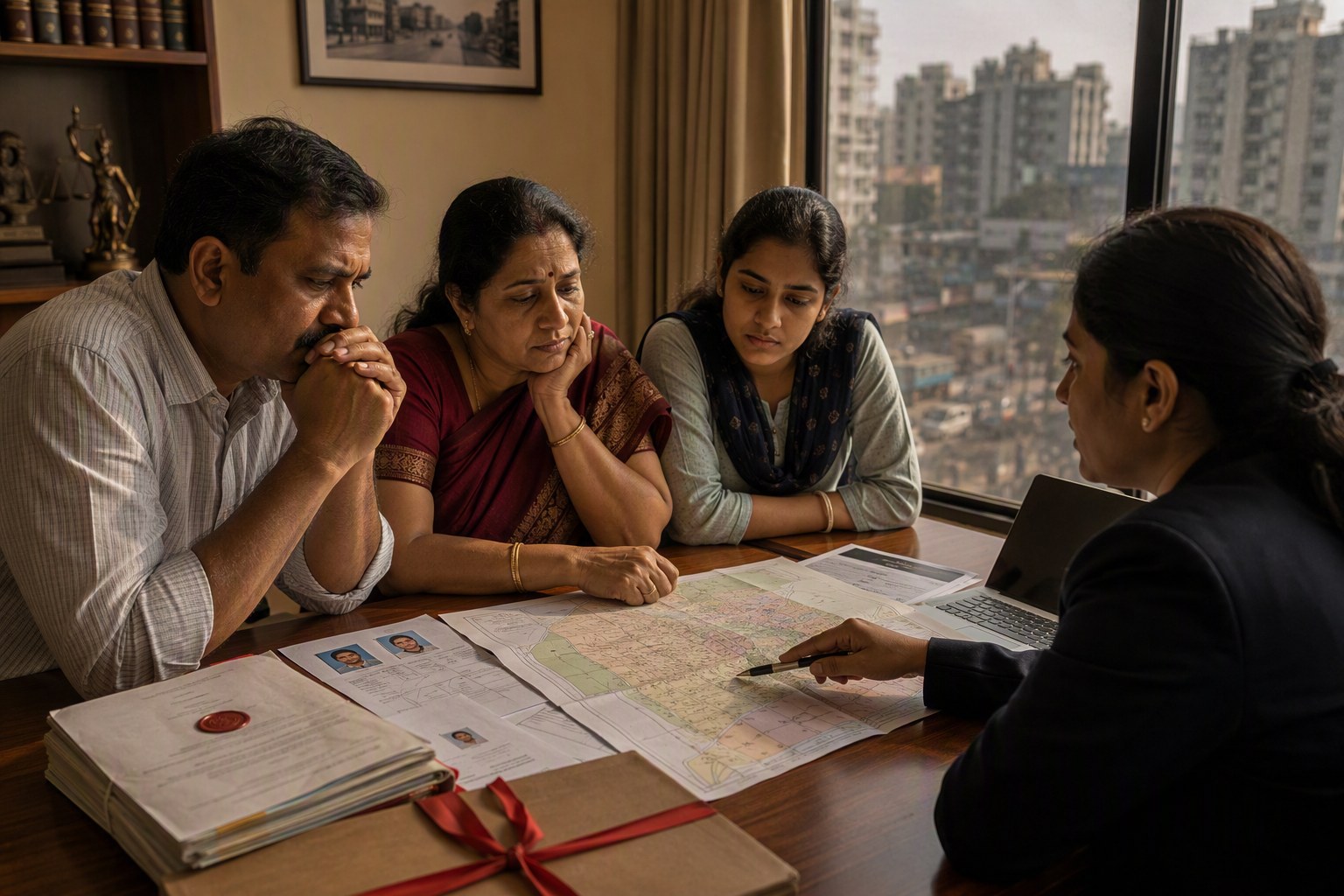
Telangana Libraries May Host Land Record Reading Sessions as a practical community idea for ordinary buyers, heirs and families who struggle to read land documents before a property decision. The proposal is simple: use public libraries as neutral local spaces where citizens can sit with basic records like Encumbrance Certificates, pahani copies, Dharani entries, SRO details and Section 22-A alerts, without the pressure of a broker’s office or a registration rush.
The reason this matters is visible in one big government-record number: 30,3,076,153 prohibited properties are listed under Section 22-A as per latest IGRS data. For a family buying a small plot in Shankarpally, checking ancestral land in Ghatkesar, or reviewing an apartment transaction in Kukatpally, that number is not abstract. It is a warning that public understanding of land records has to improve.
Telangana Libraries May Host Land Record Reading Sessions: why the idea has public value
In our experience, many property disputes do not start with fraud alone. They start with confusion. A buyer sees a sale deed, but does not read the schedule properly. A family member has an EC, but cannot understand why an old mortgage entry appears. Someone checks Dharani, but does not know whether the survey number, extent and pattadar name match the papers being shown.
Libraries can fill this gap because they are already trusted, low-pressure civic spaces. A government school teacher in Hayathnagar, a retired employee in Uppal, a young couple looking near Tellapur, or a farmer family in Medchal mandal may not want to walk into a private consultant’s office for every small doubt. But they may attend a Saturday reading session at a local library if the format is simple and non-commercial.
The sessions need not give legal opinions. That is the job of advocates, revenue officials and registration staff. But they can teach citizens how to read the first layer of documents: EC entries, survey numbers, boundaries, SRO jurisdiction, market value search, RERA status for projects, and whether a property appears in a prohibited list.
A library-based session should not replace due diligence. It should make due diligence less intimidating for the common buyer.
Telangana Libraries May Host Land Record Reading Sessions around 22-A checks
Section 22-A is often the most misunderstood part of a property check. Many families hear the phrase “prohibited property” only when a registration gets blocked. By then, token amounts may already be paid, family discussions may have happened, and the buyer is emotionally committed.
With 30,3,076,153 prohibited properties listed under Section 22-A in government records, a basic public awareness format is overdue. A library session can show people what to verify before paying an advance. For example, if a plot is being discussed in Manikonda, Narsingi, Bachupally, Adibatla, Patancheru, Shamshabad or Pocharam, the family should first identify the correct village, mandal, survey number and SRO. Without that, even a genuine-looking document can be misunderstood.
At Verified.RealEstate, we have seen buyers confuse locality names with revenue village names. “Kondapur” in conversation, for example, may not be enough for a record search. The document may refer to a village, mandal and SRO boundary. The same is true in fast-growing corridors like Kollur, Mokila, Tukkuguda, Kompally and Ghatkesar, where marketing names and revenue records may not speak the same language.
What should be covered in a land record reading session?
A useful library session should stay practical. No heavy lectures. No political speeches. No sales pitch. A good one-hour format can focus on documents people already encounter during buying, selling or inheritance.
- Encumbrance Certificate: how to read document numbers, parties, dates, nature of transaction and gaps in the EC period.
- Section 22-A status: why a prohibited property check should be done before paying an advance.
- Dharani and pahani basics: how pattadar name, survey number and extent are usually read in agricultural land cases.
- SRO identification: how to identify the correct registration office for a village or locality.
- RERA check: why apartment buyers in areas like Kokapet, Financial District, Miyapur and Tellapur should verify project registration.
- Guideline value: how ready reckoner or market value information helps understand registration calculations.
- Family property caution: why legal heir claims, old partitions and GPA transactions should not be ignored.
For citizens who want to do the first round of checks themselves, the starting points can be simple: Encumbrance Certificate Search, Section 22-A Prohibited Property Check, Market Value / Guideline Value Search, and Find Your SRO Office. These tools are useful before a buyer goes to an advocate for deeper title verification.
How this can help buyers in Hyderabad’s active property belts
The need is sharp in Hyderabad’s growth corridors. In the western belt, families looking at flats or plots around Kokapet, Narsingi, Tellapur, Kollur and Mokila often deal with multiple document sets: link documents, development agreements, RERA papers, ECs and approvals. In the northern belt, Kompally, Medchal, Dundigal and Bachupally buyers often ask about layout status, survey numbers and road access. In the eastern belt, Ghatkesar, Pocharam, Uppal and Adibatla bring their own mix of HMDA layouts, gram panchayat history, agricultural conversions and older sale deeds.
A library reading session can train people to ask better questions. Not “Is this property good?” but “Which survey number is this?”, “Which SRO has jurisdiction?”, “Is there any 22-A restriction?”, “Does the EC match the link documents?”, “Is this project on RERA?”, and “Are the boundaries in the schedule clear?”
That change in questioning itself can save families from hurried decisions. We have seen cases where buyers spent weeks negotiating price but only minutes reading the EC. That order has to change.
A sample checklist for library volunteers and citizens
| Document or check | What citizens should look for | Helpful tool |
|---|---|---|
| EC | Document numbers, buyer-seller names, transaction dates, mortgage or release entries | EC Analyzer |
| 22-A status | Whether the survey number or property appears in a prohibited category | Section 22-A Prohibited Property Check |
| SRO jurisdiction | Correct Sub-Registrar Office for the village or locality | SRO Village Directory |
| Survey number | Village, mandal, extent and record consistency | Survey Number Finder |
| Project status | RERA registration for applicable apartment or villa projects | RERA Project Lookup |
What libraries should avoid
For this idea to work, libraries must remain neutral. They should not certify a title. They should not recommend a broker, developer or advocate from the session desk. They should not collect original documents from citizens. They should not promise that a property is safe just because one online search looks clean.
The better model is “document literacy”. A trained volunteer or invited professional can explain what each column means, what questions to ask, and when to approach an advocate, SRO, revenue office or bank. This is especially useful for senior citizens, first-time buyers, women dealing with inherited property, and NRIs whose family members are handling land matters locally.
Even a small library in a mandal headquarters can make a difference if it runs sessions in Telugu and simple English. Terms like pahani, sethwar, mutation, link document, EC, market value, Dharani, 22-A and SRO should be explained without embarrassment. People hesitate to ask basic questions because they fear looking uninformed. A public library can remove that fear.
Community impact: from panic checks to early checks
The strongest benefit of such sessions is timing. Most buyers verify documents late. They pay a token amount, then check EC. They discuss bank loan, then ask about 22-A. They plan registration, then search for SRO. This is backwards.
Library-based awareness can push checks to the start of the transaction. Before paying an advance, a family can run a basic EC search, check prohibited status, identify the SRO, review guideline value and verify RERA if it is a project purchase. For cost planning, they can use the Stamp Duty Calculator. For broader property screening, Property Verification Tool can help organise the first set of checks.
My view is that Telangana’s public libraries are underused civic infrastructure. If they become places where people learn to read land records, the benefit will go beyond property buyers. It will help families settle inheritance issues, reduce misinformation in villages, and make citizens more confident when dealing with revenue and registration offices.
The number 30,76,153 should be treated as a public reminder. Land records are not just files in an office. They affect marriage settlements, bank loans, retirement savings, children’s education plans and family peace. If libraries can help people read those records better, it is a sensible community step.
Frequently Asked Questions
Can a library confirm whether my land title is legally clear?
No. A library session can help you understand documents and basic checks, but final title opinion should come from a qualified advocate after reviewing all link documents, ECs, revenue records and approvals.
Why is Section 22-A important before buying property in Telangana?
Section 22-A covers prohibited properties where registration may be restricted. As per latest IGRS data, 30,3,076,153 prohibited properties are listed, so buyers should check this before paying an advance.
Which documents should I bring to a land record reading session?
Bring copies of the sale deed, link documents, EC, survey number details, pattadar passbook or pahani if applicable, layout or approval papers, and any RERA details for apartment projects.
Is an Encumbrance Certificate enough for buying a plot?
No. EC is only one part of due diligence. You should also check 22-A status, link documents, revenue records, layout approval, SRO jurisdiction, boundaries and legal heir or mortgage issues where relevant.
Can first-time buyers do any checks on their own?
Yes. First-time buyers can start with EC search, 22-A prohibited property check, SRO identification, guideline value search and RERA lookup. After that, take legal advice before committing money.