


Telangana 22-A Overhang May Slow Small Developer Funding
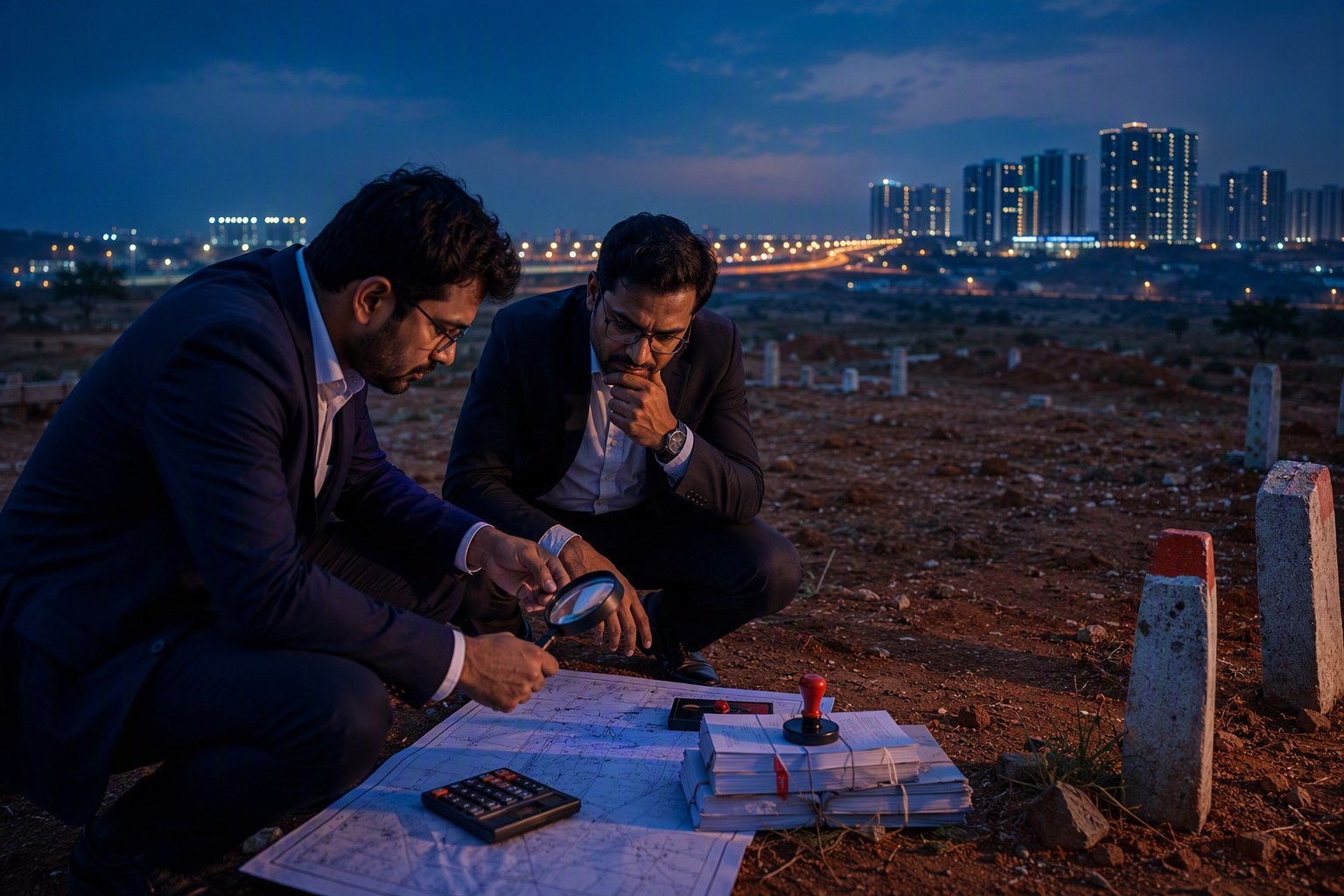
Telangana 22-A Overhang May Slow Small Developer Funding is now a live financing concern, not only a legal housekeeping issue. With 147,934 properties sitting in the Section 22-A prohibited properties bucket, smaller developers in Hyderabad and surrounding mandals may face slower land loans, tighter collateral checks, and delayed launches. Banks and NBFCs do not like title uncertainty. When a survey number is even partly linked to a prohibited entry, the money usually waits.
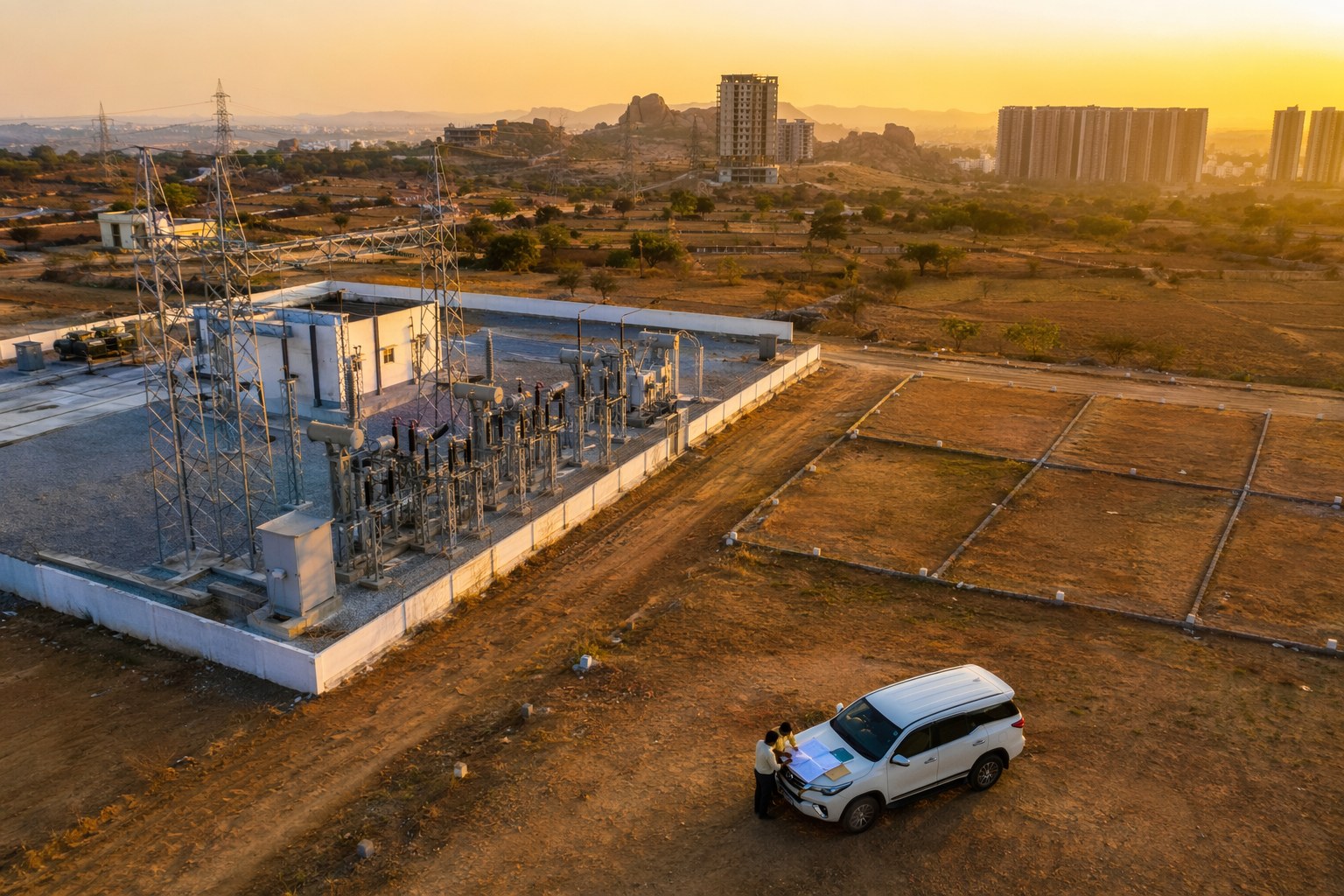
The immediate impact will be felt most by small and mid-sized builders who work on landowner joint development agreements in growth pockets such as Kokapet in Gandipet mandal, Tellapur and Osman Nagar near Serilingampally/Ramachandrapuram, Bachupally and Bowrampet on the Medchal side, Tukkuguda in Maheshwaram, Adibatla in Ibrahimpatnam, and Pocharam-Ghatkesar. These are exactly the markets where land is expensive, approvals take time, and working capital is already stretched.
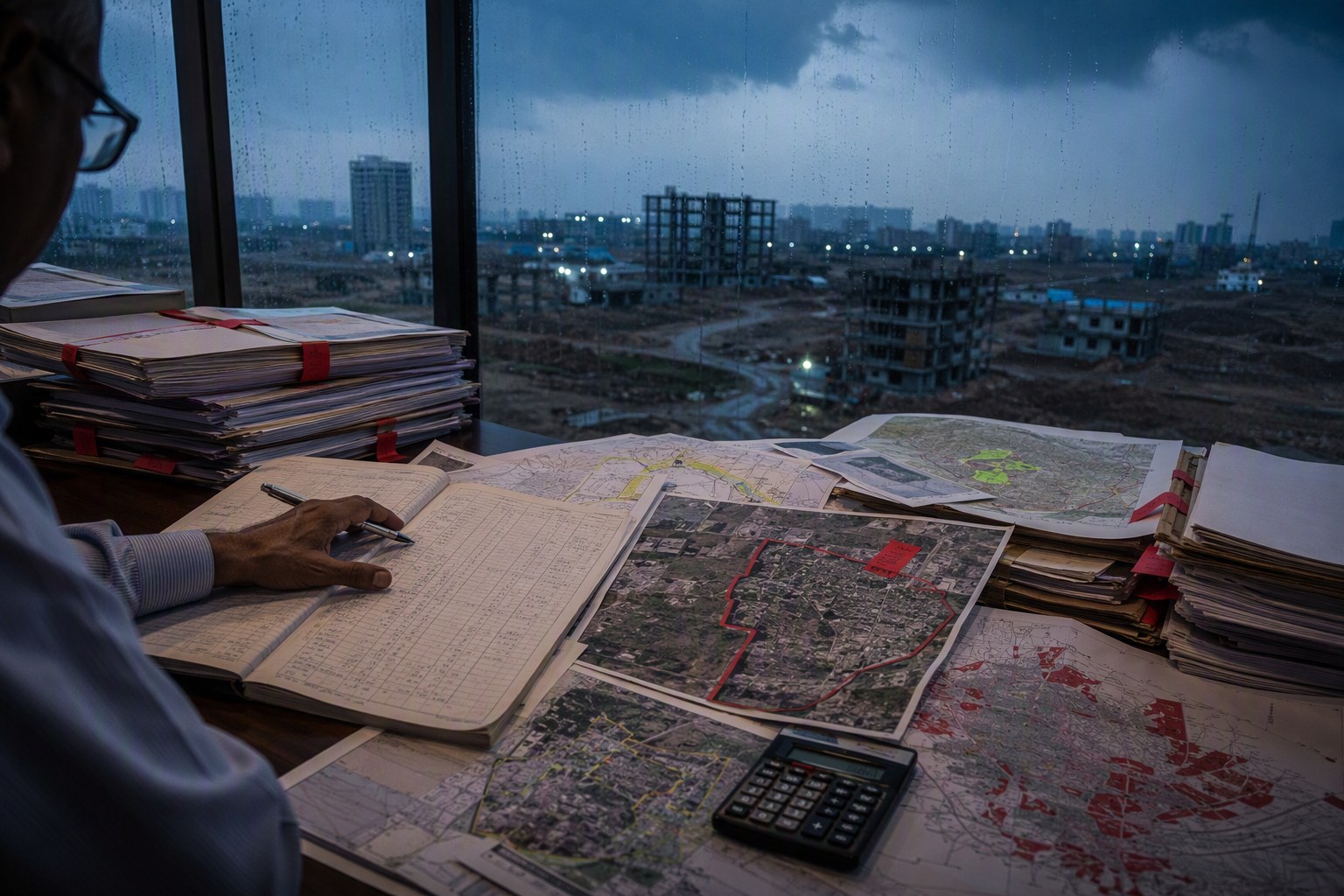
In our experience, a clean EC is no longer enough for serious funding. Lenders want the EC, pahani, Dharani status, link documents, SRO confirmation, and now a Section 22-A check before releasing money against land.
Telangana 22-A Overhang: why lenders are getting cautious
Section 22-A entries generally restrict registration of certain properties. These may include government lands, assigned lands, endowment lands, wakf-linked lands, ceiling surplus lands, disputed survey numbers, or lands blocked by specific government notifications. For a homebuyer, the risk is registration failure. For a developer, the risk is bigger: the entire funding cycle can get stuck.
A small developer usually raises money in stages. First, land advance. Then approval funding. Then construction finance. Then receivables discounting from bookings. If the land parcel is linked to a prohibited survey number, even if the developer says only a neighbouring bit is affected, lenders ask for written clarity. That means trips to the mandal office, SRO, revenue department, and sometimes the district collectorate.
The issue becomes sharper in layouts and apartment projects where old survey numbers were split many times. A 2-acre parcel may have four or five sub-divisions. If one parent survey number appears in a prohibited list, the lender may hold back the entire file until the developer proves the project land is clean.
For quick first-level checks, developers and buyers should use the Section 22-A Prohibited Property Check, then cross-check ownership movement through the Encumbrance Certificate Search. If the survey details are unclear, the Survey Number Finder is useful before spending money on legal opinion.
Telangana 22-A Overhang may hit working capital first
Large listed developers can absorb three to six months of approval delay. Many Hyderabad-based local builders cannot. They carry land advance cheques, architect fees, HMDA or municipal processing costs, marketing expenses, and interest on private borrowing. When funding is delayed due to title verification, the first casualty is working capital.
In Hyderabad’s active residential markets, quoted apartment rates are already high. Kokapet and Financial District projects are commonly quoted around ₹9,000 to ₹14,000 per sq ft depending on brand, stage, and amenities. Tellapur and Nallagandla are often in the ₹6,500 to ₹9,500 per sq ft band. Kompally, Bachupally, and Miyapur have many mid-market projects between ₹5,500 and ₹7,500 per sq ft. On the plotted side, Tukkuguda, Adibatla, Kandukur, and Shankarpally belts show wide quoting, often from ₹25,000 to above ₹60,000 per sq yd based on road width, HMDA status, and distance from ORR exits.
These are not small-ticket markets anymore. If a 1-acre land parcel near Tellapur or Bachupally gets stuck for title clarification, the developer’s advance itself can run into several crores. Interest meter starts from day one. That is why the 147,934 prohibited property count is not just a government database number. It can affect actual project cash flow.
| Funding stage | What lender checks | Possible 22-A impact |
|---|---|---|
| Land advance loan | Title chain, pahani, Dharani, EC, SRO status | Loan may be held back if survey number appears in prohibited list |
| Approval bridge funding | HMDA/GHMC/DTCP file, land use, road access | Delay in sanction if ownership clarity is questioned |
| Construction finance | RERA, mortgageability, promoter equity | Higher margin requirement or lower loan-to-cost |
| Buyer collections | RERA status, sale agreement, registration confidence | Bookings may slow if buyers hear title concerns |
Small developers face a different problem from big builders
Big developers usually have in-house legal teams and stronger banker relationships. They can commission multiple legal opinions, get survey sketches reviewed, and push for department-level clarification. Smaller builders depend on one advocate, one document writer, and the landowner’s old file. That is risky in mandals where agricultural-to-residential conversion, old pattedar passbooks, and inheritance transfers are common.
We have seen this in Gandipet, Shankarpally, Moinabad, Shamshabad, Maheshwaram, Medchal, Shamirpet, Ghatkesar, and Ibrahimpatnam mandals. A project may look attractive on paper because the land rate is still lower than core Hyderabad. But if there is a 22-A shadow, the developer’s equity gets locked while approvals and funding remain uncertain.
Another problem is collateral value. If a lender sees title risk, it may not reject the file outright. It may reduce the eligible collateral value. So a parcel valued by the market at ₹40 crore may be treated far lower for lending until the prohibited status is cleared. That directly cuts the developer’s ability to pay contractors, consultants, and approval charges.
Before buying land or entering a joint development agreement, developers should compare the ready reckoner number through the Market Value / Guideline Value Search, locate the correct registration office through Find Your SRO Office, and run a wider title check using the Property Verification Tool. For apartment buyers, the RERA Project Lookup is equally relevant before paying booking amount.
Telangana 22-A Overhang and launch timelines in Hyderabad
Launch timelines are already sensitive in Hyderabad because buyers compare micro-markets very closely. A six-month delay in a Tellapur project can push buyers towards Kollur or Osman Nagar. A delayed Tukkuguda villa layout can lose enquiries to Adibatla or Kongara Kalan. A stuck Kompally project may see buyers shift to Bachupally or Dundigal-Gandimaisamma.
For smaller developers, this matters because sales velocity funds construction. If the launch is postponed due to title clarification, marketing spends go waste. Channel partners lose interest. Early-bird pricing cannot be held for long because cement, steel, labour, and finance costs move up.
There is also a stamp duty angle. In Telangana, a buyer’s transaction cost on many sale deeds is typically around 6% including stamp duty, transfer duty, and registration fee, subject to the nature of document and prevailing government rules. When title is doubtful, buyers hesitate to block both consideration and registration costs. They will first check the Stamp Duty Calculator and ask whether the SRO will accept the document at all.
For developers planning fresh launches, the safer sequence is clear: survey number verification first, EC next, Dharani and pahani review after that, SRO-level 22-A check, land use and road-width checks, then RERA and sales. Reversing this order is expensive.
What should developers and buyers do now?
My view is simple. Telangana’s growth story is intact, especially around ORR-linked corridors, Metro expansion expectations, and employment hubs from Financial District to Pharma City side. But the market will reward clean-title developers more than aggressive launchers. The 147,934 prohibited properties list will push lenders to separate clean files from doubtful files much faster.
- For small developers: do not pay large land advances only on the basis of photocopied link documents. Run SRO, Dharani, EC, pahani, and 22-A checks before signing.
- For landowners: if your survey number is wrongly tagged, start correction early. Waiting until a developer comes will reduce your bargaining power.
- For buyers: ask for survey numbers, RERA number, land title report, and EC. If the seller refuses, treat it as a warning sign.
- For lenders: a standard checklist is not enough in peripheral mandals. Parent survey history matters.
The next few quarters may not stop Hyderabad launches, but they can slow smaller players who are dependent on land-backed credit. Clean land will get funded. Doubtful land will wait. In Telangana real estate, that gap is becoming wider.
Frequently Asked Questions
What is Telangana Section 22-A property?
Section 22-A property refers to land or property restricted from registration due to government, legal, revenue, endowment, wakf, assigned land, or other notified issues. Buyers and developers should check the survey number before paying advance.
How many prohibited properties are listed in Telangana?
As per the available database fact used here, Telangana has 147,934 prohibited properties under Section 22-A. This number is large enough to affect land due diligence and lending decisions.
Can a developer get funding if land is under 22-A?
Usually it becomes difficult. Banks and NBFCs may delay, reduce, or reject funding until the developer proves that the project land is not affected or gets the entry corrected by the competent authority.
Which Hyderabad areas need extra caution?
Buyers and developers should be careful in fast-growing land markets such as Kokapet, Tellapur, Mokila, Shankarpally, Tukkuguda, Adibatla, Ghatkesar, Bachupally, Kompally, Shamirpet, and Shamshabad, especially where old survey numbers were split repeatedly.
Which checks should be done before buying land?
Check the EC, pahani, Dharani status, survey number, SRO records, ready reckoner value, land use, road access, and Section 22-A status. For projects, also verify RERA registration.