


Telangana Sub-Registrar Training May Focus on 22-A Orders
Telangana Sub-Registrar Training may soon need a sharper focus on Section 22-A prohibited property orders, because registration refusals are no longer a rare desk-level issue. As per latest IGRS data available in our database, Telangana has 3,076,153 prohibited property entries under Section 22-A. That single number tells the story: buyers, sellers, document writers, banks and SRO staff are all dealing with a large and sensitive list where one wrong interpretation can block a sale deed or create avoidable litigation.
For Hyderabad's property market, especially in growth belts like Kokapet in Gandipet mandal, Narsingi, Tellapur near the western corridor, Mokila in Shankarpally mandal, Maheshwaram mandal, Ghatkesar and Medchal, consistent handling of 22-A orders is not just a legal matter. It directly affects confidence in land transactions.
In our experience, the pain point is not only that a property is marked as prohibited. The bigger problem is when different SRO offices read similar entries differently, or when buyers do not understand why a registration has been refused after paying token advance, arranging bank sanction and preparing documents.
Telangana Sub-Registrar Training on 22-A Orders: Why It Matters Now
Section 22-A is meant to stop registration of certain categories of properties, including government lands, assigned lands, endowment lands, wakf-related properties and other notified prohibited properties. In practice, the SRO officer has to look at the survey number, village, mandal, nature of land, past entries, court orders if any, and the relevant prohibition order before accepting or refusing a document.
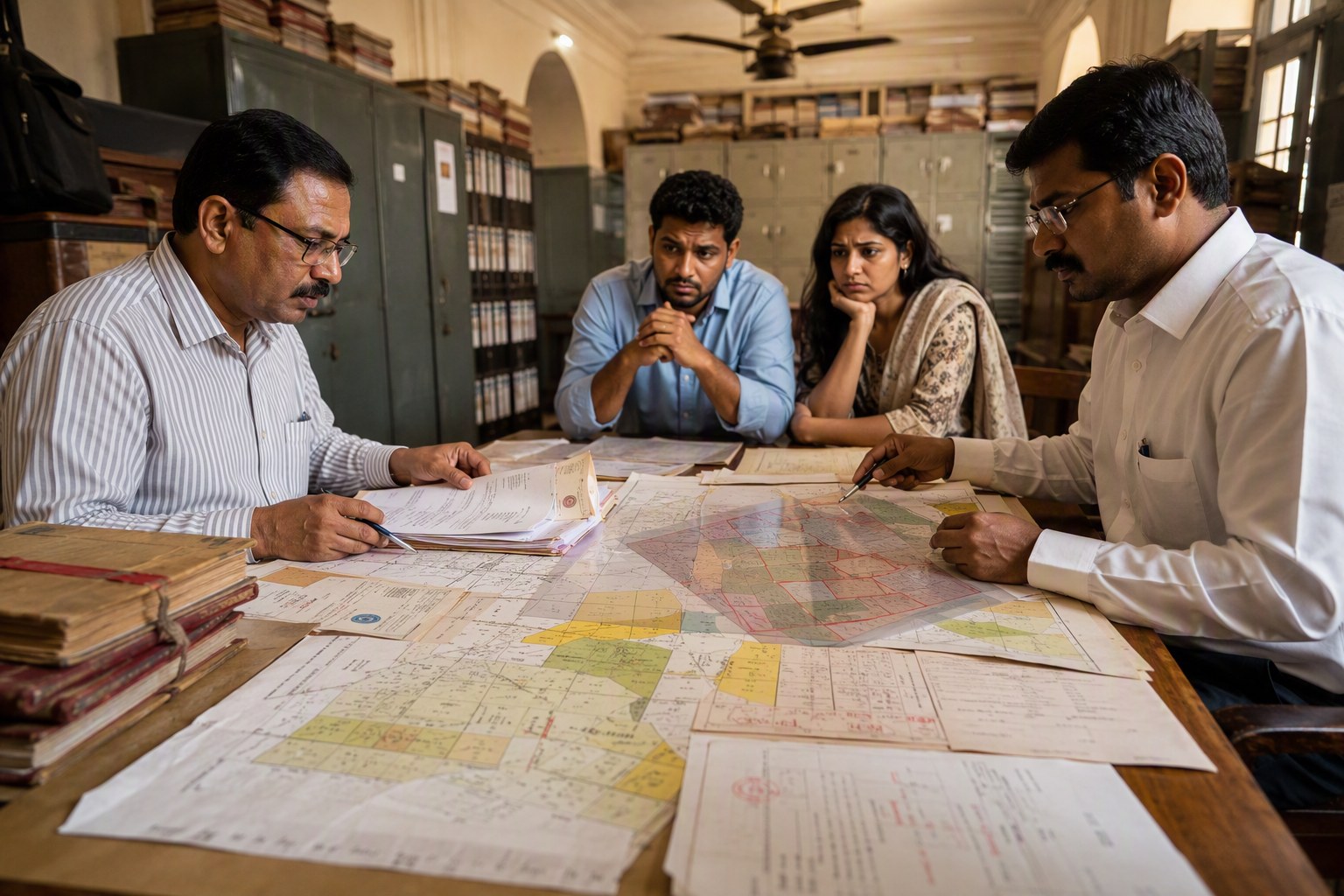
That sounds straightforward on paper. At the registration counter, it can become messy. A buyer may bring a pahani, Dharani extract, old link documents, EC, layout copy and tax receipts. The SRO system may still flag the survey number under 22-A. Sometimes only part of a survey number is affected. Sometimes the old village name, revenue village name and municipal locality name do not match cleanly. This is common around urbanising belts where agricultural survey numbers later become plotted layouts or apartment projects.
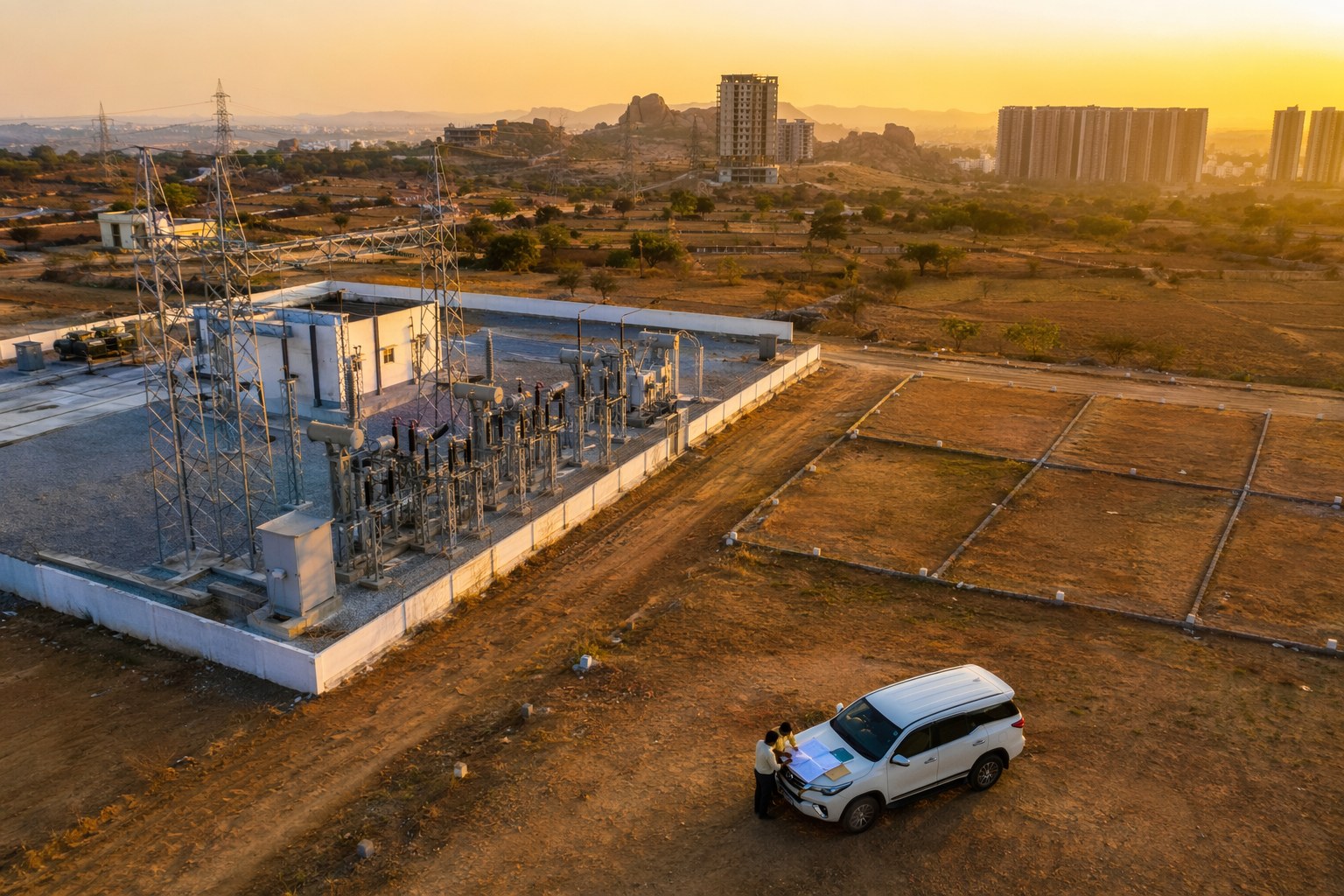
Take the Gandipet-Narsingi-Kokapet belt. Land parcels may be described by survey number in revenue records, by layout plot number in private documents, and by municipal assessment number after development. In Tellapur or Mokila, old agricultural references may continue in link documents even after layouts are marketed as gated community land. A trained sub-registrar must know how to connect these records without mechanically refusing every file or blindly allowing a risky registration.
That is where focused training can make a visible difference. It can give SRO officers a common checklist for reading 22-A orders, dealing with partial prohibitions, recording refusal reasons, and guiding citizens to the right remedy instead of leaving them dependent on guesswork outside the office.
Telangana Sub-Registrar Training Should Standardise Registration Refusals
A registration refusal is not just a stamp on a file. It affects finance, sale timelines, family settlements and developer commitments. When a refusal is issued, the buyer should be able to understand the exact reason: Is the survey number fully prohibited? Is only a portion affected? Is the entry linked to an assigned land order? Is there a government memo, court stay, endowment claim or Dharani classification issue?
We have seen buyers lose weeks because the refusal note is too brief. A one-line rejection may be technically valid, but it does not help the citizen decide the next step. Training can push SRO offices to record refusals in clearer language, referring to the relevant 22-A category and the document or order behind it.
For a buyer, this clarity matters before paying large advances. Before finalising a plot or flat linked to open land, it is sensible to use the Section 22-A Prohibited Property Check, verify the survey number through the Survey Number Finder, and identify the correct office through Find Your SRO Office. These are not substitutes for legal due diligence, but they reduce blind spots before a document reaches the registration counter.
Where 22-A Confusion Usually Starts in Hyderabad Land Deals
Most disputes start with mismatch. The sale agreement may mention one survey number, the pahani may show another sub-division, Dharani may show a different classification, and the EC may not reveal the government prohibition entry in a way that a normal buyer can understand. In apartment cases, the buyer may only see a flat number and project name, while the underlying land history sits in older link documents.
In Hyderabad and surrounding districts, this issue is seen often in fast-moving corridors. Around Maheshwaram mandal, buyers look at villa plots and layouts near ORR access roads. Around Ghatkesar and Medchal, old village land is regularly marketed with new project names. In Shankarpally mandal, Mokila and neighbouring villages have seen strong residential interest. The legal test, however, still comes back to the underlying survey number and title flow.
Ready reckoner or guideline value checks are useful, but they do not clear title. A property can have a market value entry and still face a 22-A block. Buyers should check the government value using the Market Value / Guideline Value Search, estimate transaction charges through the Stamp Duty Calculator, and then examine encumbrances with the Encumbrance Certificate Search. For deeper review, the EC Analyzer can help read transaction patterns, though a property lawyer must review high-value or disputed files.
What Good Training for Sub-Registrars Should Cover
If the training is only a routine classroom session, it will not change much. The useful model would be case-based and SRO-focused. Officers need examples from actual registration situations: partial survey prohibitions, old assignment conditions, court order references, urban local body approvals, Dharani entries and citizen appeals.
| Training area | Why it matters at SRO level |
|---|---|
| Reading 22-A notifications | Helps officers distinguish full prohibition from partial or category-specific restriction. |
| Survey number and village mapping | Reduces mistakes where locality names differ from revenue village names. |
| Clear refusal order drafting | Gives citizens a proper reason and a route for correction, appeal or legal advice. |
| Dharani and pahani cross-checking | Supports better coordination between registration and revenue records. |
| Court order handling | Prevents casual acceptance or rejection where stay orders, writs or decrees are involved. |
My view is simple: SRO discretion should not mean SRO-level confusion. Citizens should not get one answer in one office and a different reading in another office for the same kind of 22-A entry. Training can create a shared discipline, especially for sub-registrars handling high-volume offices in and around Hyderabad.
Impact on Buyers, Sellers and Developers
For buyers, better-trained sub-registrars can mean earlier detection of risk and clearer communication. For sellers, it can reduce failed registrations caused by poorly prepared documents. For developers, especially those aggregating land across multiple survey numbers, it puts pressure to clean up title before marketing plots or units.
There is also a banking angle. Banks usually insist on title documents, EC, approvals and legal opinion. But if a 22-A entry appears late, after loan processing, the buyer is stuck between the seller, bank and SRO. A predictable registration process helps lenders too, because the mortgage cannot be safely created if the sale deed itself is refused.
In Hyderabad's land market, the most expensive mistake is not a higher stamp duty. It is buying into a survey number whose legal status was not checked properly before agreement.
For apartments, buyers should not assume RERA registration alone answers every land title question. RERA is useful for project-level disclosures, and buyers can start with the RERA Project Lookup. Still, land title, 22-A status, EC trail and approved layout or building permission need separate checking.
Telangana Sub-Registrar Training Can Improve Trust in 22-A Administration
The 22-A list is large, sensitive and legally powerful. With 3,076,153 prohibited property entries in the latest IGRS data available to us, the system needs more than software flags. It needs trained officers who can read the flag correctly, explain the reason, and avoid both wrongful refusals and wrongful registrations.
For the public, the practical advice is clear. Do not wait until registration day to discover a prohibition. Check the survey number, mandal, village, EC, Dharani status and guideline value before paying advance. If the land is in a hot corridor like Kokapet, Narsingi, Tellapur, Mokila, Maheshwaram, Ghatkesar or Medchal, be extra careful because old revenue records and new marketing names often sit side by side.
Focused Telangana sub-registrar training on 22-A orders will not solve every title dispute. But it can make refusals more consistent, records more understandable and property transactions less dependent on hearsay. For a state where land value and family savings are tightly linked, that is a reform worth watching closely.
Frequently Asked Questions
What is Section 22-A in Telangana property registration?
Section 22-A allows the government to prohibit registration of certain properties, such as government land, assigned land, endowment land, wakf-related land and other notified categories. If a property is listed, the SRO may refuse registration.
Why does sub-registrar training matter for 22-A orders?
Training helps sub-registrars read prohibition orders, survey numbers, Dharani records, pahani entries and court documents in a consistent way. This can reduce unclear registration refusals and avoid risky registrations.
How can I check whether my land is under 22-A?
You should check the survey number, village and mandal details, review EC and revenue records, and use the Section 22-A Prohibited Property Check before signing an agreement. For valuable property, take a lawyer's title opinion.
Can a property with guideline value still be prohibited?
Yes. Guideline value or ready reckoner value is for valuation and stamp duty purposes. It does not automatically mean the title is clear or that the property is free from a 22-A prohibition.