


Telangana Builders May Prefer Clean Micro-Parcels as 22-A Holds
Telangana builders are likely to look harder at smaller, cleaner land parcels as Section 22-A prohibited property entries continue to create title anxiety across the state. As per latest IGRS data available with Verified.RealEstate, Telangana has 3,076,153 prohibited properties recorded under Section 22-A. For developers, that is not just a legal list. It is a launch-delay risk, a funding risk, and in many cases, a reputation risk.
The immediate market reading is simple: when a large land assembly has even one doubtful survey number, the whole development timeline can get stuck. That is why many builders, especially mid-sized Hyderabad and HMDA-focused players, may prefer micro-parcels with cleaner revenue trails, cleaner EC history, and fewer family or government-claim complications.
Telangana builders and the 22-A pressure on land buying
Section 22-A entries are meant to restrict registration of prohibited properties. These can include certain government lands, assigned lands, endowment lands, wakf-related properties, court-disputed lands, and other categories recorded by the authorities. In practical real estate language, the problem is this: if a survey number is flagged, the Sub-Registrar Office may not allow registration until the issue is resolved through the proper channel.
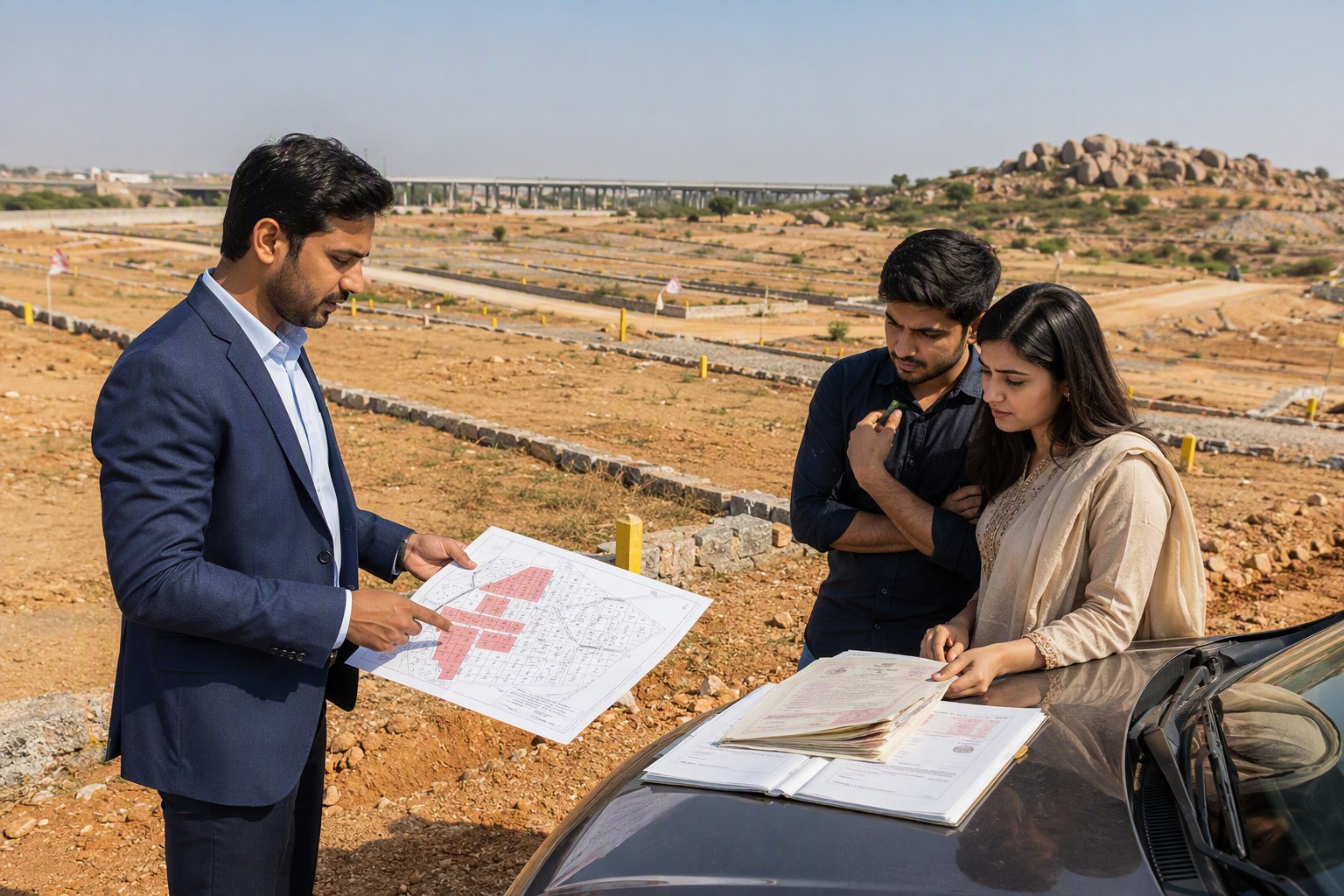
For a builder, this can hurt at three stages. First, during land purchase. Second, during project finance due diligence. Third, during RERA filing and customer sale agreements. We have seen cases where the land looked attractive on location and price, but the deal became uncomfortable once the pahani, Dharani records, EC, and SRO position were compared.
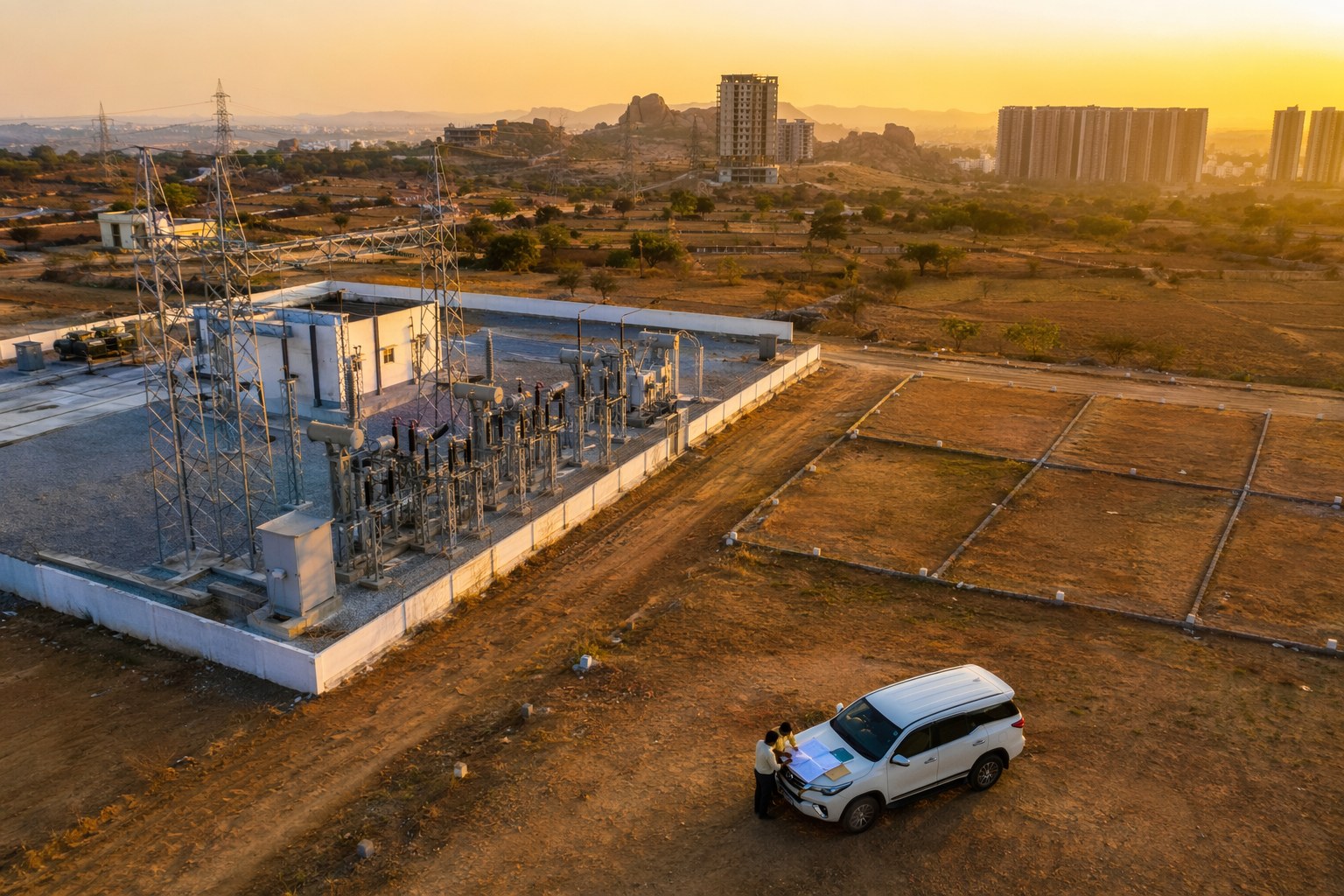
This is where micro-parcels come into the picture. A half-acre or one-acre clean parcel in the right road-width and land-use zone may now look more practical than a large land bank with mixed survey numbers. Not always cheaper, not always easy to plan, but less likely to sit in legal limbo for months.
In our experience, the market does not hate risk. It hates unclear risk. Builders can price road widening, soil condition, FSI limits, and approval costs. But a 22-A hold without a clear release path can stop a project before it even enters the drawing board.
Telangana builders may move from big land aggregation to clean micro-parcels
The impact will be visible first in Hyderabad’s active growth belts: Kokapet, Narsingi, Puppalaguda, Tellapur, Kollur, Patancheru, Miyapur, Bachupally, Kompally, Uppal, Pocharam, Adibatla, Shamshabad, Shadnagar, Tukkuguda, and Maheshwaram. In these locations, developers often evaluate land by survey number, access road, master plan land use, and title continuity. A single mismatch between revenue records and registration records can slow the file.
Micro-parcels are not a magic solution. They come with their own issues: odd-shaped plots, smaller frontage, setbacks, road-width restrictions, amalgamation challenges, and sometimes weaker saleability if the product is badly planned. Still, a clean small site with proper mutation, EC, link documents, and no prohibited-property flag gives a builder more confidence than a large parcel where half the effort goes into chasing clarifications.
Before entering any land discussion, developers and landowners should run the survey details through a Section 22-A Prohibited Property Check. They should also compare the land record trail with the Encumbrance Certificate Search and confirm the correct registration office using Find Your SRO Office. These three checks will not replace a lawyer, but they can stop a bad negotiation early.
Why 3,076,153 prohibited properties matter to the launch pipeline
The figure of 3,076,153 prohibited properties is large enough to influence behaviour. Not every entry will directly affect a private apartment project in Hyderabad. Many may relate to other land categories and districts. Yet the psychological effect on the market is real. Builders, investors, and lenders are becoming more careful about land provenance.
Earlier, many land deals were driven by location first and paperwork second. That has changed. A serious builder now asks: Is the survey number clear in Dharani? Does the pahani show the same pattadar trail? Is there any 22-A listing? Are there old GPA transactions? Is there a court case? Is the land in a permitted residential or mixed-use zone? Which SRO controls registration? Is the road access shown on ground also reflected in records?
For apartment builders, the issue is sharper because project launches depend on timing. Delay in land registration can delay building permission. Delay in permission can delay RERA registration. Delay in RERA can delay bookings. A small legal doubt at the land stage travels all the way to the buyer’s decision.
Buyers are also more alert now. Many ask for EC, RERA number, land title summary, and project approvals before paying token advance. They may not read every link document, but they know enough to ask. Builders with clean micro-parcels can communicate more confidently and close sales faster.
What a clean micro-parcel should look like in Telangana
A clean micro-parcel is not just a small piece of land. It should be clean across revenue, registration, planning, and possession layers. In Telangana, especially around HMDA and fast-growing mandals, I would check the following before calling any parcel development-ready:
- Survey number status: No Section 22-A restriction and no mismatch in survey extent.
- Revenue trail: Pahani, Dharani, mutation, pattadar name, and possession details should broadly align.
- Registration trail: EC should show a clear transaction history without unexplained gaps or suspicious transfers.
- Planning fit: Land use should permit the proposed residential or commercial development.
- Access: Road width must support the intended built-up area and fire norms.
- RERA readiness: The landowner-builder structure should be clear before filing.
For planning feasibility, developers can check basic potential through the FSI/FAR Calculator, verify land use through the Land Use Zone Finder, and test road constraints using the Road Width Check. If the project is already registered, buyers should cross-check it on the RERA Project Lookup.
Telangana builders and buyer confidence in 22-A sensitive areas
In areas like Shadnagar, Maheshwaram, Kandukur, Yacharam, Ibrahimpatnam, Ghatkesar, Medchal, Moinabad, and Chevella, land buyers often hear mixed stories: assigned land, old pattas, government claim, family partition pending, nala conversion, or layout regularisation issues. Some are genuine risks. Some are only rumours. The answer is not panic. The answer is verification.
For builders, clean title is now a sales feature. A project brochure may talk about clubhouses and amenities, but the serious buyer wants to know whether the land is safe. In a market where prohibited-property entries are so widely discussed, transparent title disclosure can become a competitive advantage.
Small developers may benefit here. A local builder who buys a clean parcel in Miyapur, Ameenpur, Peerzadiguda, Bandlaguda Jagir, Manikonda, or Attapur can move faster than a large player trying to consolidate multiple owners and survey numbers. Of course, execution quality still matters. But on land risk, smaller can be smarter.
| Developer choice | Market advantage | Main caution |
|---|---|---|
| Large aggregated land parcel | Better township-style planning and scale | One disputed or prohibited survey number can delay the whole file |
| Clean micro-parcel | Faster due diligence and easier title explanation | Design may be limited by frontage, shape, and road width |
| Joint development on inherited land | Lower upfront land cost for builder | Family consent, link documents, and mutation must be checked carefully |
What landowners should understand before selling to builders
Landowners should not wait for a builder’s legal team to discover a problem. If there is a 22-A entry, old litigation, family dispute, or mismatch in extent, bring it out early. A hidden defect usually reduces trust and bargaining power. A disclosed defect with a clear correction path may still allow a transaction.
Start with a survey number check through the Survey Number Finder. Then use the Property Verification Tool for a broader first-level review. For value expectations, the Market Value / Guideline Value Search helps compare government-notified values. Stamp duty impact can be checked through the Stamp Duty Calculator.
My view is that clean landowners will gain bargaining strength in the coming cycle. Builders may still negotiate hard, but they will pay more attention to certainty. A clean SRO record, clean Dharani status, clean EC, and proper access road can save months. Time saved is money saved.
Market outlook: clean title will drive site selection
The Telangana housing market is not short of demand in well-connected corridors. The bigger issue is land quality. As prohibited-property checks become routine, builders will become choosier. They may reject deals that looked attractive earlier because the legal cost and delay risk are too high.
This shift will not stop large projects. Bigger developers with strong legal teams will still acquire large parcels where the risk is manageable. But for many mid-market builders, especially those launching apartment blocks in Hyderabad’s peripheral mandals, clean micro-parcels may become the safer route.
For buyers, the message is clear: do not judge a project only by location, elevation, or launch offer. Ask about the land. Check the RERA record. Look at EC. Verify whether any survey number is under Section 22-A. A good flat sits on good land; that old rule has not changed.
Frequently Asked Questions
What is Section 22-A in Telangana property registration?
Section 22-A refers to prohibited properties where registration may be restricted by the authorities. These can include certain government, assigned, endowment, wakf, disputed, or otherwise notified lands.
Why may Telangana builders prefer clean micro-parcels now?
Clean micro-parcels can reduce title risk, speed up due diligence, and avoid delays caused by problematic survey numbers. For many builders, a smaller clean site is better than a larger parcel with unclear ownership or 22-A risk.
How many prohibited properties are recorded in Telangana?
As per latest IGRS data available with Verified.RealEstate, Telangana has 3,076,153 prohibited properties recorded under Section 22-A.
Can a buyer check whether a project land is under 22-A?
Yes. Buyers can check the survey number through a Section 22-A prohibited property check, review EC records, and verify the project on RERA before paying any major advance.
Does a clean micro-parcel guarantee project approval?
No. Clean title is only one part. Road width, land use, building rules, FSI, setbacks, fire norms, and RERA compliance also decide whether a project can move smoothly.