


Telangana 22-A List May Weigh On Urban Property Tax Plans
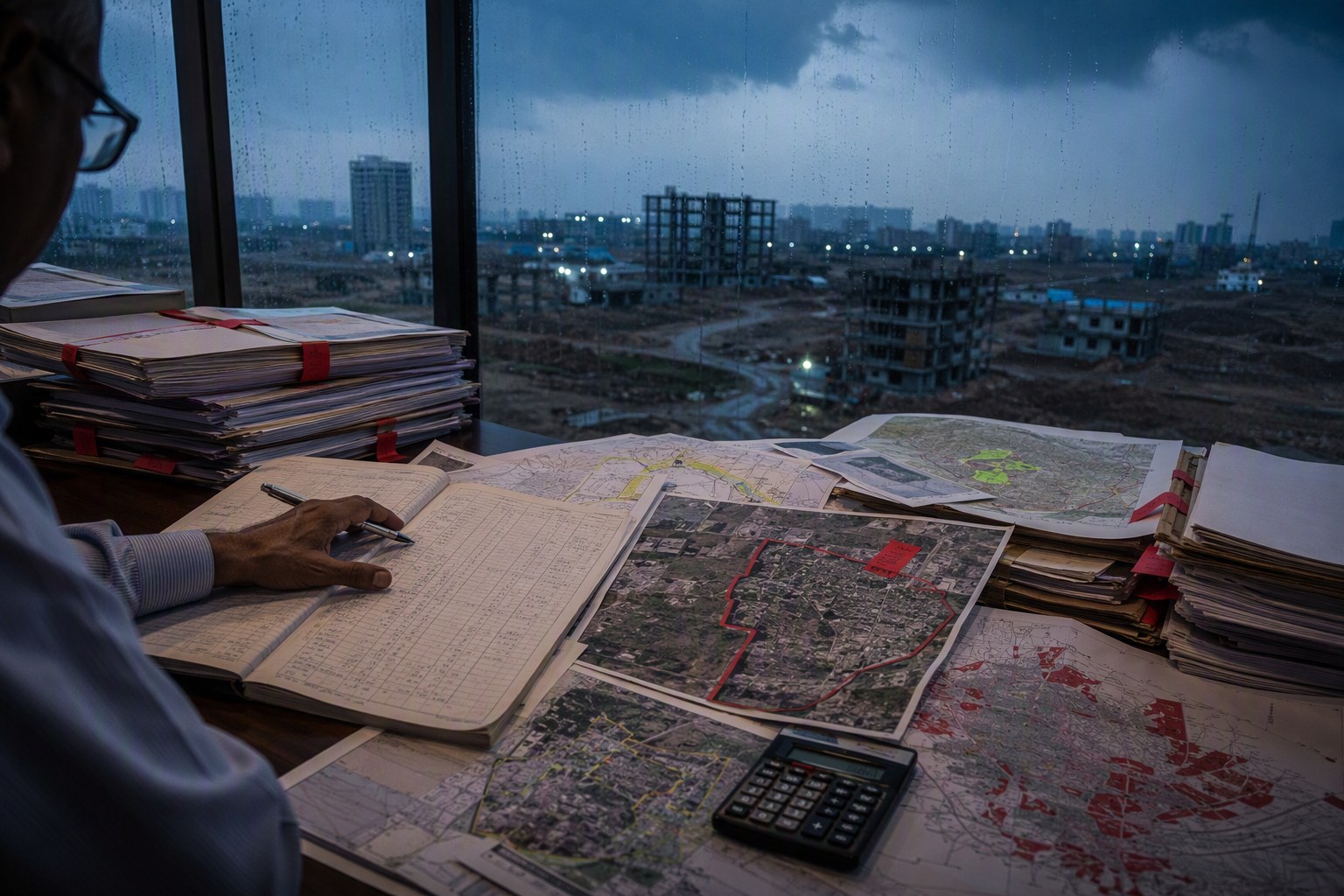
Telangana 22-A List numbers are no longer just a registration department issue. With 147,934 properties sitting in the prohibited property count under Section 22-A, municipal bodies may have to take a more conservative view while projecting property tax growth, clear-title onboarding, mutations and future revenue from urban expansion corridors.
For a state where Hyderabad, Rangareddy, Medchal-Malkajgiri and Sangareddy districts are doing the heavy lifting on urban real estate value, this is a finance story as much as a land record story. If a parcel cannot be cleanly registered, mutated or financed, it does not enter the civic tax base at the same speed as a normal open plot, apartment or commercial unit.
In our experience, a 22-A flag does not always mean the land is permanently unusable. But for budgeting, banks, buyers and municipalities treat it as a red signal until the title position is clarified.
Telangana 22-A List And The Property Tax Math
The key number is sharp: 147,934 prohibited properties. These are properties affected by Section 22-A entries, which can block registration at the Sub-Registrar Office level. For municipal finance teams, that creates a practical problem. A property may be physically present on the ground, may even have a structure, but if its title journey is stuck, its entry into the regular tax, mutation and approval cycle can be delayed.
Let us look at it in simple money terms. If even a small portion of these properties would otherwise have become taxable urban assets, the lost or delayed revenue is not small.
| Scenario | Assumption | Possible annual civic tax value delayed |
|---|---|---|
| Low impact | 5% of 147,934 properties at Rs 4,000 average yearly tax | About Rs 29.59 crore |
| Moderate impact | 10% at Rs 6,000 average yearly tax | About Rs 88.76 crore |
| High urban impact | 15% at Rs 10,000 average yearly tax | About Rs 221.90 crore |
These are sensitivity numbers, not official collections. But they show why the 22-A list matters for municipal budgeting. GHMC, HMDA-linked urban local bodies and fast-growing municipalities around Hyderabad cannot treat all mapped land as immediately revenue-ready.
Telangana 22-A List May Affect Clear-Title Onboarding
Clear-title onboarding is the quiet engine behind property tax growth. A clean sale deed, correct survey number, valid mutation, building permission and a live PTIN together create a tax-paying asset. A 22-A entry breaks that chain.
We have seen this issue come up in Serilingampally mandal around older layouts, in Gandipet and Rajendranagar where land values moved fast after ORR connectivity, and in Hayathnagar, Uppal, Quthbullapur and Medchal where mixed land histories are common. In some cases, the buyer discovers the problem only when the SRO refuses registration. In other cases, banks ask for extra legal checks after seeing entries in EC, pahani or Dharani-linked records.
Before paying an advance, buyers should run a Section 22-A Prohibited Property Check, verify the survey number using the Survey Number Finder, and pull the latest Encumbrance Certificate Search. These three checks can save months of running between the SRO, tahsildar office and municipal counter.
Why Municipal Revenue Teams Should Read The Telangana 22-A List Carefully
Urban local bodies generally plan revenue using building permissions, new assessments, revised annual rental values, commercial conversions and layout development. But the 22-A count adds a land-record filter to that forecast.
In Hyderabad’s west, the rate difference between a clear-title asset and a doubtful-title asset is visible in the market. In Kokapet, Narsingi and Gandipet belt, open plot quotes can often move in the range of Rs 1.8 lakh to Rs 3.5 lakh per square yard depending on access, permissions and frontage. In Gachibowli and parts of Serilingampally, apartment resale rates commonly sit around Rs 9,000 to Rs 14,000 per sq ft for good projects. But if the underlying land or parent title has a prohibition cloud, the same buyer pool becomes cautious.
In more price-sensitive corridors like Uppal, Boduppal, Hayathnagar and Medchal, where many families are buying plots and small houses, the effect is different. People may still negotiate and buy, but lenders will hesitate. That means fewer registered transfers, slower mutations and delayed property tax regularisation.
The SRO Angle
The Sub-Registrar Office is where the 22-A issue becomes real for most citizens. A buyer may have an agreement, a bank sanction and stamp duty funds ready, but the SRO can refuse registration if the property is in the prohibited list. Anyone unsure about jurisdiction should first use Find Your SRO Office and then cross-check market value using the Market Value / Guideline Value Search.
This matters because stamp duty planning also gets affected. A delayed registration means the buyer’s financial planning changes, and in rising localities the ready reckoner or guideline value can also move over time. Our Stamp Duty Calculator helps estimate the current outgo, but title clearance must come first.
Impact On Building Permissions, Layouts And Tax Base
A 22-A entry can also slow down formal development. For apartments, villas and plotted layouts, developers need clean land title, conversion records, link documents, ownership flow, permissions and often RERA registration. If the land parcel is under prohibition, the project may not move to the next stage unless the issue is resolved.
For end users, the RERA Project Lookup is useful when buying in larger projects. For land and independent houses, the Property Verification Tool gives a broader title-risk view. If the plan involves redevelopment or construction, tools like the FSI/FAR Calculator, Road Width Check and Land Use Zone Finder help connect title with actual development potential.
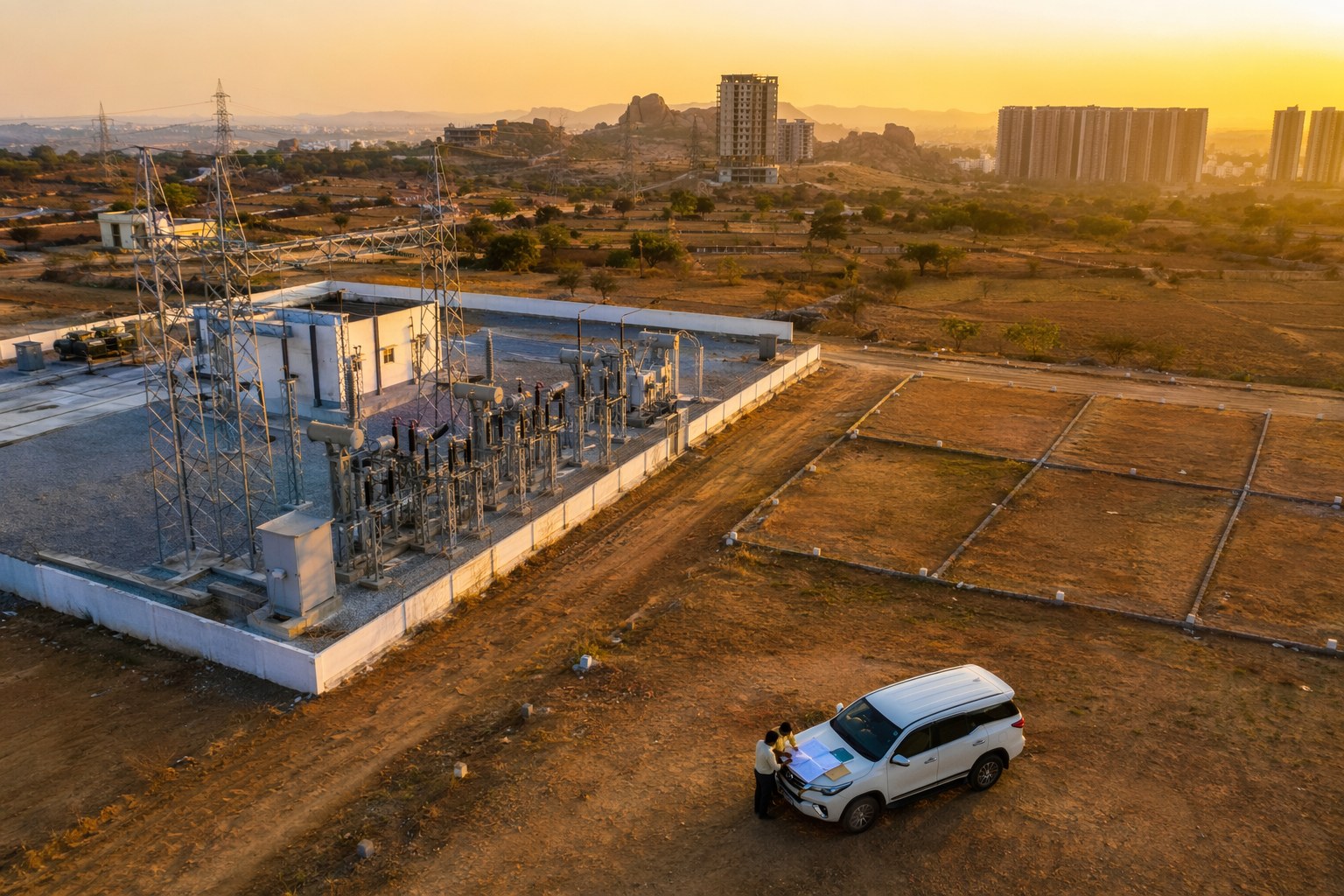
Municipal finance officers should also watch the gap between land value and tax value. A 300 sq yd plot in Narsingi may be worth several crores in the open market, but until it becomes a legally usable and assessed property, it may contribute little to recurring civic revenue. That gap is where urban budgets become over-optimistic.
What Buyers, Banks And Civic Bodies Should Do Now
For buyers, the message is simple: do not treat a low price as a bargain until the 22-A status is checked. If a plot in Gandipet is quoted 20% below the neighbourhood rate, ask why. If a seller says registration will happen after some correction in Dharani or after a government order, take legal advice before paying token money.
For banks and housing finance companies, the 22-A list is a credit-risk input. A property that cannot be registered cleanly is poor collateral. Loan approvals may be delayed or rejected, which again affects sales velocity and tax onboarding.
For municipal bodies, the practical approach is to create a separate risk layer in revenue projections:
- Count properties with clean registration and mutation separately from title-risk properties.
- Map 22-A affected survey numbers against ward-wise property tax demand.
- Do not assume immediate conversion of disputed land into taxable built-up area.
- Coordinate with registration, revenue and town planning departments before forecasting new assessments.
- Use conservative estimates for fast-growing mandals like Serilingampally, Gandipet, Medchal, Hayathnagar and Rajendranagar where land values are high.
That kind of discipline will make municipal revenue planning more realistic. Hyderabad’s growth story is strong, but title clarity decides how quickly value becomes taxable income for civic bodies.
The Bottom Line For Telangana 22-A List And Urban Finance
The Telangana 22-A List is not just a legal database sitting inside the registration system. With 147,934 prohibited properties, it can influence stamp duty timing, bank lending, municipal property tax projections, layout approvals and the speed at which urban land becomes revenue-yielding.
My view is that Telangana’s next phase of urban finance will depend less on announcing new growth corridors and more on cleaning up old land-record friction. A clear title creates a sale deed. A sale deed creates mutation. Mutation creates assessment. Assessment creates recurring property tax. If 22-A blocks the first step, every later revenue number needs caution.
Frequently Asked Questions
What is the Telangana 22-A List?
The Telangana 22-A List refers to properties prohibited from registration under Section 22-A. If a property is listed, the SRO may refuse registration until the issue is resolved.
How many prohibited properties are currently counted in Telangana?
The prohibited property count given in the database is 147,934. This number is significant for buyers, banks, civic bodies and revenue planning teams.
Can a 22-A property still have property tax?
In some cases, yes. A property may be physically assessed or occupied, but title problems can delay mutation, formal transfer, building approvals and fresh tax onboarding.
How can I check if my property is in the 22-A list?
You can use the Section 22-A Prohibited Property Check on Verified.RealEstate, then cross-check the survey number, EC and SRO jurisdiction before paying any advance.
Why does the 22-A list matter for municipal revenue?
Municipal bodies depend on clean-title properties for new assessments, mutations and recurring tax collections. A large prohibited property count can delay that revenue flow.