


Telangana May Review Refund Rules for Blocked Property Deeds: what is being discussed
Telangana May Review Refund Rules for Blocked Property Deeds after many buyers and document writers have raised a practical question at Sub-Registrar Offices: if a sale deed is stopped because the land appears in the prohibited property list, what happens to the stamp duty, registration fee and other amounts already paid?
The discussion is linked to Telangana’s large Section 22-A prohibited property database. As per available government data, 1,47,934 prohibited property entries are listed under Section 22-A. These entries cover different categories such as government land, assigned land, endowment land, wakf land, court-attached properties and parcels under specific restriction orders.
For buyers, the issue is not just legal. It is also financial. In Telangana, a normal sale deed usually attracts around 6% total registration cost, including stamp duty, transfer duty and registration fee. On a Rs 80 lakh flat or plot, that is roughly Rs 4.8 lakh. If a deed is blocked after payment, buyers want a clear, time-bound refund path.
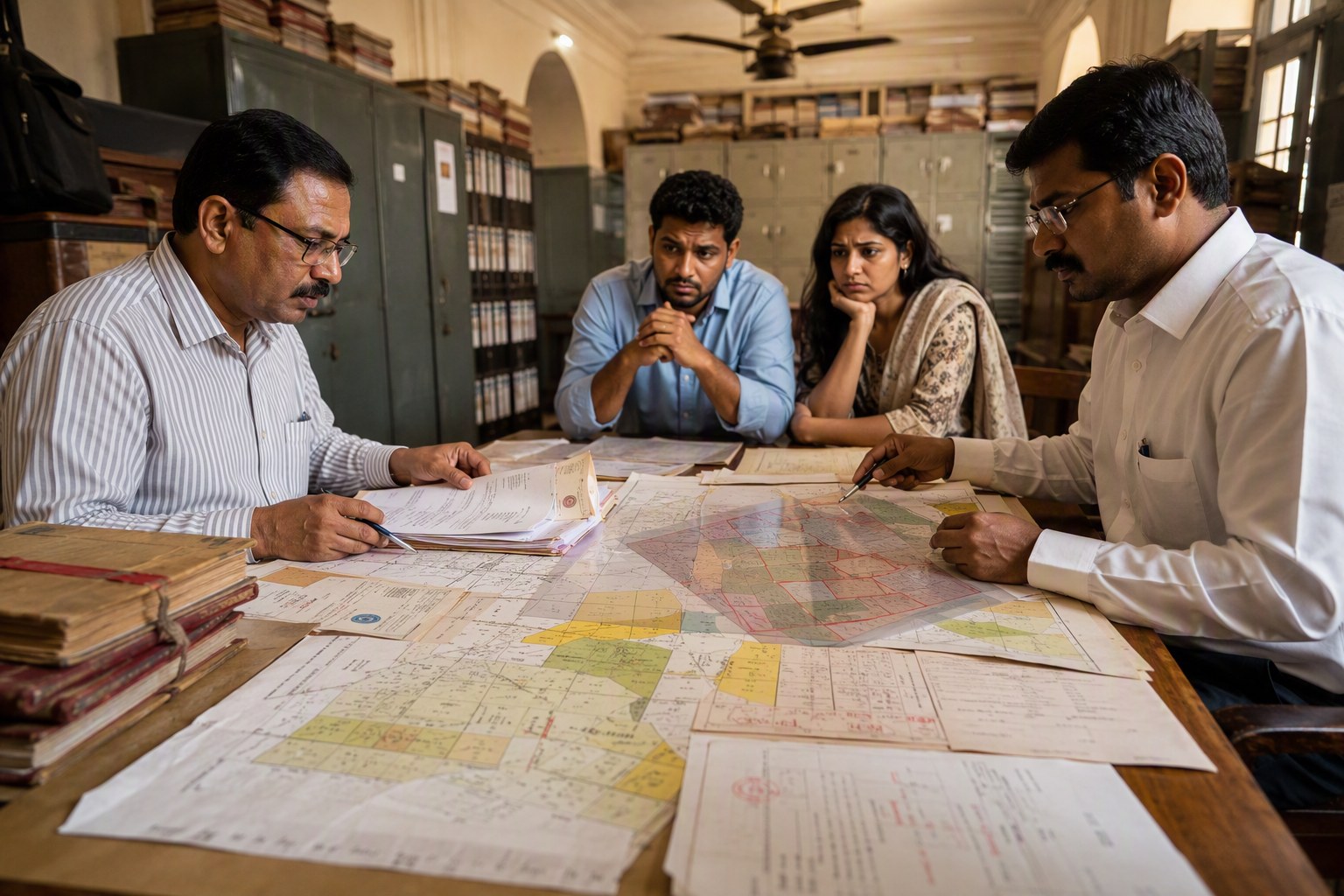
In our experience, most disputes at the SRO counter happen because the buyer checked the EC, but did not check the 22-A status, survey number history, old pahani entries and ownership trail together.
Telangana May Review Refund Rules for Blocked Property Deeds because 22-A checks now affect real transactions
The immediate trigger is the growing use of digital checks before registration. Sub-Registrar Offices now compare document details with Dharani, prohibited property records, market value data and other departmental lists. This is good for stopping illegal transfers. But when the block happens late in the process, genuine buyers face a cash-flow problem.
Take a practical Hyderabad periphery example. A buyer in Mokila, Shankarpally mandal, agrees to buy a 300 sq yd plot at Rs 55,000 per sq yd. The deal value is Rs 1.65 crore. Registration cost at around 6% comes to nearly Rs 9.9 lakh. If the document is refused due to a 22-A hit on the survey number, the buyer has to chase refund and also renegotiate with the seller. The pain is real.
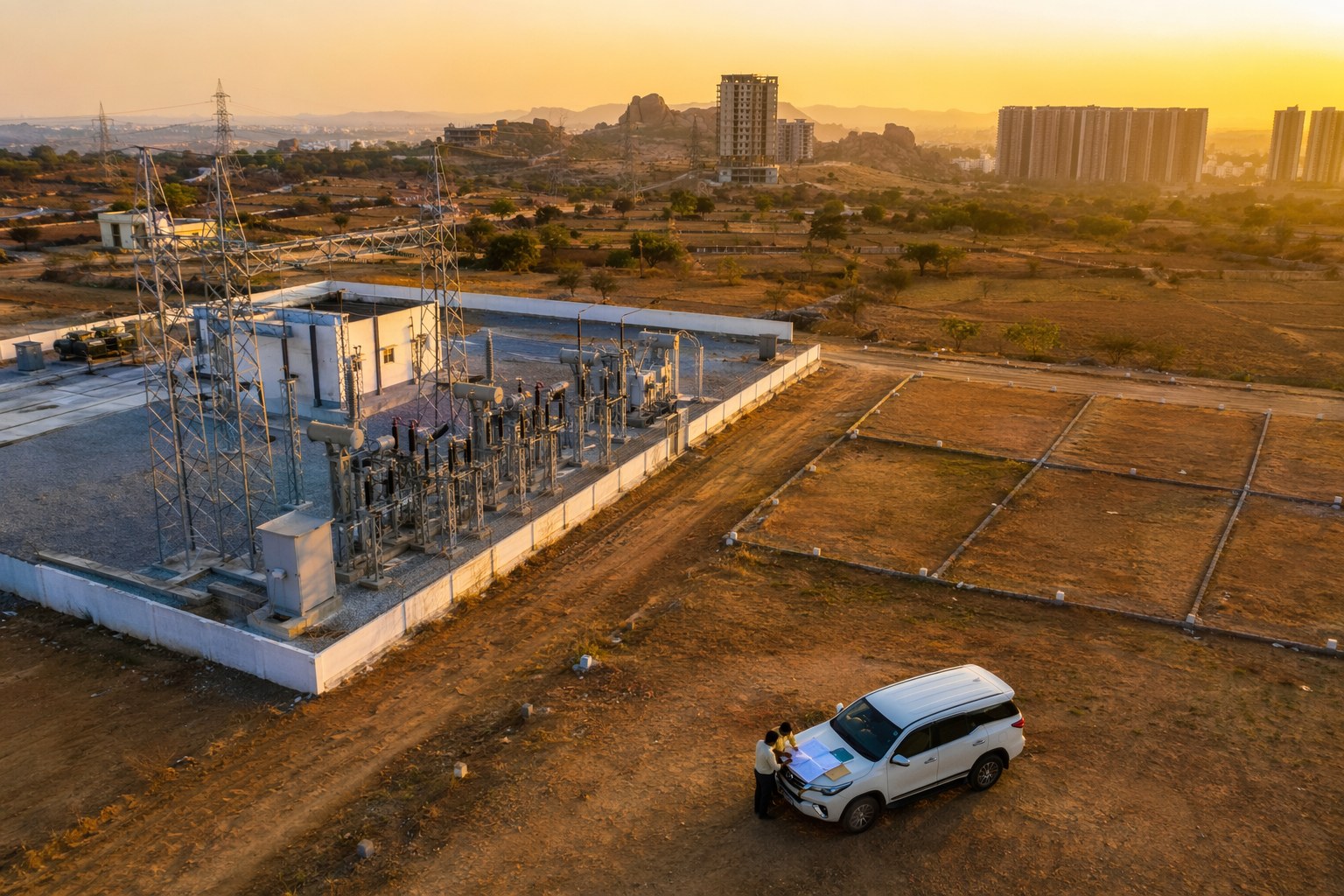
Similar cases are heard around Maheshwaram mandal, Abdullapurmet, Kandukur, Shamirpet and parts of Medchal-Malkajgiri where old revenue classifications, assigned land references and layout conversions sometimes create confusion. In premium urban zones like Kokapet, Gachibowli and Narsingi, flat buyers usually face fewer raw-land issues, but open plots and villas on old survey numbers still need deeper verification.
What refund clarity could mean for buyers and sellers
A review of refund rules may focus on three questions. First, when exactly is a registration considered blocked? Second, which charges are refundable and which are not? Third, how many days should the department take to refund the buyer?
At present, people often depend on local SRO guidance, document writer advice and manual follow-up. That is not ideal for a state where property values are high and transactions move quickly. Hyderabad’s western corridor has flats quoting around Rs 8,500 to Rs 13,000 per sq ft in locations such as Gachibowli, Nanakramguda, Kokapet and Financial District. In growing plot corridors, Shankarpally, Patancheru side villages, Tukkuguda and Adibatla also see high-ticket transactions. A blocked deed in these areas can freeze several lakhs in charges.
For sellers, clearer refund treatment will also reduce disputes. Many sale agreements say registration charges are the buyer’s responsibility. But if the seller’s title has a hidden 22-A problem, the buyer will naturally ask the seller to compensate. A proper departmental refund workflow can prevent the deal from becoming a police-station matter.
How Section 22-A prohibited property entries create registration blocks
Section 22-A of the Registration Act allows the government to prohibit registration of certain properties. In simple words, if a property is marked as prohibited, the SRO cannot register a sale, gift, exchange or other transfer deed unless the restriction is removed or clarified by the competent authority.
The 1,47,934 entries in the Telangana prohibited property database are not a small administrative list. It is large enough to touch ordinary families, NRIs, developers, plotted layout buyers and farmers selling land near expanding municipal limits.
Common reasons for a 22-A block include:
- Survey number shown as government land in revenue records.
- Assigned land where transfer is restricted.
- Endowment or wakf claim on the land.
- Court attachment or dispute order.
- Mismatch between old pahani, Dharani entry and present title deed.
- Part survey number restriction where only a portion is affected.
The last point is where many buyers get trapped. A seller may say only neighbouring land is under restriction, but the sale deed uses the same survey number or sub-division details are not clean. The SRO system may still raise an objection.
Telangana May Review Refund Rules for Blocked Property Deeds, but buyers should not wait for policy changes
Even if the government clarifies refund rules, prevention is better than refund. Before paying advance or booking registration slot, buyers should run a layered verification. Start with the survey number, village and mandal. Then compare EC, Dharani title, pahani history, market value and local layout approvals.
For quick checks, use our Section 22-A Prohibited Property Check before you pay stamp duty. You can also verify ownership risk through the Property Verification Tool and trace document movement using the Encumbrance Certificate Search. If you are unsure which office handles the registration, check the Find Your SRO Office tool.
For flats and plotted ventures, buyers should also compare the declared value with government value. Use the Market Value / Guideline Value Search and estimate charges through the Stamp Duty Calculator. If it is a new apartment project, cross-check approvals through the RERA Project Lookup.
Quick checklist before paying registration charges
| Check | Why it matters | Where buyers slip |
|---|---|---|
| 22-A status | Stops prohibited property transfers | Checking only EC and ignoring survey number restrictions |
| EC for 30 years | Shows registered transactions and mortgages | Taking a short 5-year EC for old land |
| Pahani and Dharani details | Confirms revenue classification and pattadar name | Name mismatch between seller and revenue record |
| SRO market value | Helps calculate stamp duty and ready reckoner value | Assuming agreement value alone decides charges |
| Layout and land use | Confirms development permission | Buying gram panchayat plots without proper conversion |
What a fair refund framework should include
My view is simple. If the state wants strict registration screening, it must also give citizens a predictable refund system. The buyer should not be punished for a government database hit that appears only at the final registration stage.
A fair framework can include:
- Automatic refund initiation when the SRO refuses registration due to 22-A status.
- Clear split between refundable stamp duty, transfer duty and registration fee.
- SMS and email tracking for refund application status.
- Time limit, say 15 to 30 working days, for eligible refunds.
- Reasoned refusal order mentioning survey number, village, mandal and category of prohibition.
- Appeal path for cases where the property is wrongly listed.
This will help honest buyers in places like Manikonda, Tellapur, Bachupally, Kompally, Shamshabad and Yadagirigutta side villages where land records may involve old layouts, merged gram panchayats, HMDA permissions and revenue updates. It will also reduce pressure on SRO staff, who currently face angry citizens at the counter.
Market impact: trust matters as much as price
Hyderabad real estate is not short of demand. The issue is trust. A buyer may accept high pricing in Kokapet or Tellapur if title is clean. But even a cheaper plot in a fast-growing mandal becomes risky if the survey number has a 22-A shadow.
We have seen buyers focus only on price per square yard. That is risky. A Rs 35,000 per sq yd plot in a disputed survey number can be costlier than a Rs 60,000 per sq yd plot with clean title, proper layout and no prohibition entry. Registration refusal is not just a delay. It can disturb bank loan disbursal, sale agreement deadlines, NRI travel plans and family funding arrangements.
Until Telangana issues clearer refund instructions, buyers should treat 22-A verification as a first-stage check, not a last-minute SRO formality. Sellers with clean title should also proactively share survey number records, old link documents, pahani copies and approval papers. That transparency will improve deal closure.
The possible review of refund rules is a welcome signal. But the bigger lesson is this: in Telangana property buying, EC alone is not enough. Check the land, check the survey number, check the mandal records, and only then pay heavy registration charges.
Frequently Asked Questions
What are blocked property deeds in Telangana?
Blocked property deeds are documents that the SRO refuses to register because the property appears in a prohibited list, has a legal restriction, or fails departmental verification.
How many prohibited property entries are there under Section 22-A in Telangana?
Available data shows 1,47,934 prohibited property entries under Section 22-A in Telangana. Buyers should check this before paying stamp duty.
Can stamp duty be refunded if registration is stopped?
Refund may be possible in eligible cases, but buyers often face procedural delays. Telangana may review rules to clarify which charges are refundable and the timeline.
Is an Encumbrance Certificate enough to confirm safe title?
No. EC shows registered transactions, but it may not fully show 22-A restrictions, revenue classification, assigned land issues or government land claims.
Which checks should I do before buying land in Hyderabad outskirts?
Check 22-A status, EC, Dharani details, pahani, survey number boundaries, SRO market value, land use, layout approval and seller link documents.